Start With the Viewing Distance and Mounting Position
The first question is not what the sign will look like, but who needs to read it and from how far away. A light box outside a retail shop in Table View has very different needs from one above an entrance in Montague Gardens or mounted on a warehouse wall in Paarden Eiland. The viewing distance, the angle and the height above ground all affect the panel size and letter size.
We also look at whether the sign is viewed by pedestrians, slow moving traffic or cars passing at normal road speed. A sign that works at 10 metres may be too small at 30 metres. If the face is too high, too low, or set back under an awning, the illumination must be adjusted so the message still stands out in the day and at night.
- How far away must the text be readable?
- Is it for foot traffic, vehicle traffic, or both?
- Will it be seen straight on or from an angle?
- Is there an awning, tree line or other obstruction?
Choose the Right Face Material and Cabinet Depth
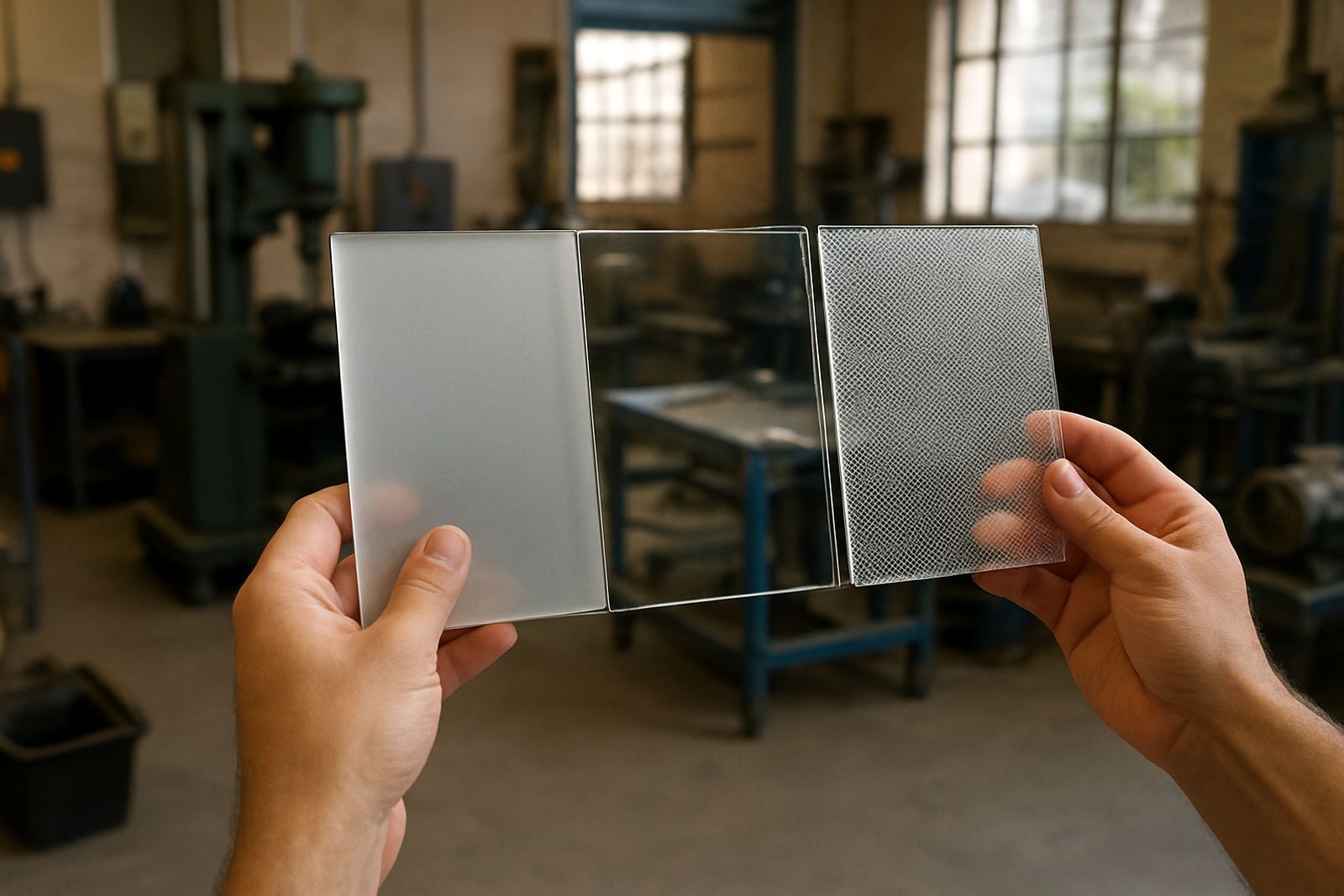
The face of a light box carries the print, vinyl graphics or routed lettering, while the cabinet depth affects how evenly the sign lights up. Shallow cabinets can create hot spots and dark corners. A deeper cabinet usually gives better light spread, especially on wider signs or where the face is large.
For coastal areas like Blouberg and Milnerton, material choice matters because salt air and humidity can shorten the life of poor quality parts. We normally consider corrosion resistance, sealed edges and fixings that can handle weather exposure. If the sign is in full sun, the face material must also handle fading and heat without warping.
- Will the sign face be printed, translucent or routed?
- Is the cabinet deep enough for even light spread?
- Will the sign face be exposed to direct sun and sea air?
- Are the fixings and frame suitable for outdoor use?
Ask About Lighting Type, Brightness and Power Use
A good light box should be bright enough to read, but not so bright that it bleeds out at night or looks harsh from the road. The lighting method, the number of modules or tubes, and the spacing inside the cabinet all influence the final result. For businesses running during load-shedding, it is worth asking how the sign behaves when power is unstable or when a backup supply is used.
We always recommend checking the power draw and the switching arrangement before installation. If the sign is on a commercial premises with other external lighting, the load needs to be planned properly so the sign does not trip circuits or become unreliable. A sign that is easy to service will save time later.
- How much power does the sign use?
- Can the lighting be serviced without removing the whole cabinet?
- Will the sign remain visible during load-shedding with backup power?
- Is the light spread even across the full face?
Check the Fixing Method and Wind Exposure Before Installation
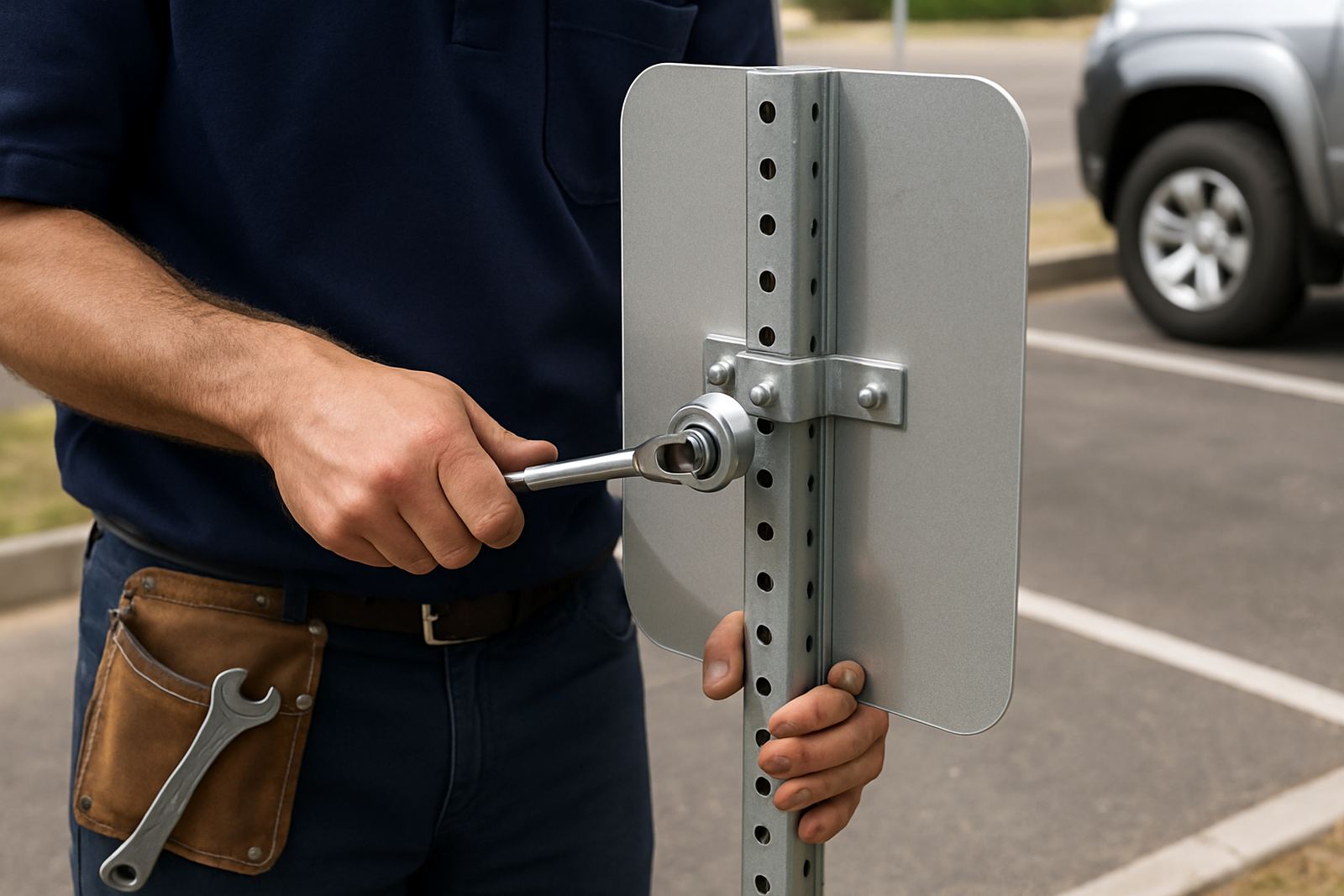
A light box is only as good as the structure holding it up. In Table View and Blouberg, sea wind can put real stress on brackets, frames and wall fixings. On larger signs, the fixing method must be planned to suit the wall type, the wind load and the size of the cabinet. A sign mounted badly can vibrate, tilt or fail early.
Before work starts, ask what the wall is made of, how the sign will be anchored and whether the installer has checked access for lifting or working at height. On some buildings, municipal or landlord approval may be needed before drilling or mounting anything external. It is better to sort this out first than to rework the job later.
- What wall type is the sign being fixed to?
- Are wind and coastal exposure being taken into account?
- Will scaffolding, a cherry picker or safe ladder access be needed?
- Has approval been arranged where required?
Plan the Artwork, Colours and Message for Day and Night Readability
Artwork for a light box must work in daylight and after sunset. Colours that look sharp on a screen can become weak once backlit, especially pale shades or thin lines. For that reason, the layout should be kept clear, with enough contrast between the background and the wording. If the message is too busy, the sign loses impact from the road.
When we prepare illuminated signage, we look at logo placement, text size, spacing and the amount of detail in the artwork. Simple messages read best. If a business needs hours, a logo, contact details and a slogan on one face, the design has to be handled carefully so it doesnt become cluttered.
- Will the logo remain clear when lit from behind?
- Are the colours suitable for backlit viewing?
- Is the wording short enough to read quickly?
- Do you need one face or a double sided cabinet?
Build in Maintenance, Cleaning and Future Repairs
Illuminated signs need attention over time. Dust, salt film and insect build-up can reduce brightness, and a damaged face can affect the whole sign. If the cabinet is hard to reach, even a minor repair becomes costly. It helps to ask upfront how the sign will be cleaned, how the face can be opened and whether replacement parts can be made locally.
For businesses in Durbanville, Parklands and across Cape Town, ongoing maintenance is often the difference between a sign that lasts and one that starts looking tired after one summer. We can also assist with sign maintenance, replacement faces and cut-to-size parts when a unit needs freshening up rather than full replacement.
- How will the face be cleaned safely?
- Can parts be replaced without rebuilding the whole sign?
- Is the sign easy to access for future servicing?
- Will the cabinet still look neat after a few years outdoors?
What to Bring When You Request a Quote
Before you send through an enquiry, gather the basics so the quote is accurate and the sign is designed correctly. A clear brief saves time, avoids extra revisions and makes the installation smoother. If you are not sure about any of the details, we can help work through them with you from our Table View base.
Useful information to include is the location, the wall size, any photos of the site, the wording you want on the sign and whether the sign must be visible from both directions. If you already know the area, such as Milnerton, Blouberg, Montague Gardens or Cape Town CBD, mention it because access and fixing conditions can differ from site to site.
Good illuminated signage should feel planned, not rushed. Once the size, lighting, fixing and artwork are right, the sign will do its work quietly every day and every night.