What polycarbonate does well on site
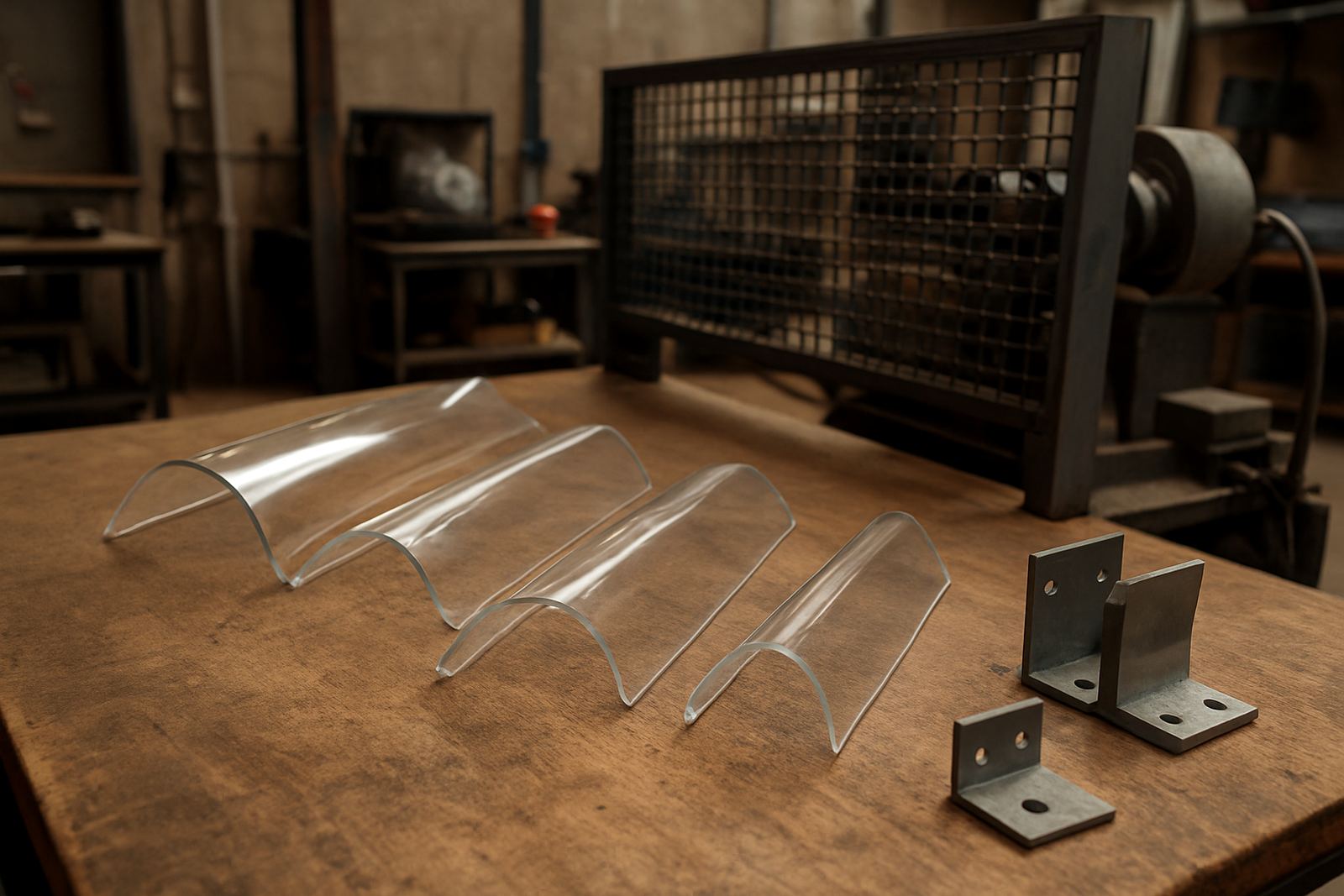
Polycarbonate is used where a panel must stay clear and survive impact. In workshops, shops, warehouses and light industrial spaces, it works well for machine guards, viewing windows, splash covers, display shields and protective screens. It handles rough use better than many rigid plastics and is often easier to fit where there is vibration, repeated opening and closing, or a risk of accidental strike.
For coastal work in Blouberg and Table View, it is also useful because it does not shatter like glass. Salt air, windblown grit and regular cleaning are all part of life near the coast, so a material that can cope with that day after day makes sense. It still needs proper support and fixing points, because even a tough sheet can warp if it is under strain or drilled badly.
For clear guarding, the real question is not only whether the sheet is strong enough. It is also whether it will stay flat, stay visible, and fit the opening without rattling or cracking at the corners.
Choosing thickness for guards and covers
Thickness depends on the span, the support frame and what the panel must stop. A small cover on a machine can use a lighter sheet than a wide guard on a busy production line. If the sheet is too thin, it will flex, bow or chatter against the frame. If it is too thick, the panel becomes harder to fix and more costly than needed.
A practical starting point is to work from the opening size and how the panel is mounted. Short spans with full support can use thinner material. Larger covers, especially where there is suction, wind or repeated impact, should be checked more carefully. For custom parts, the cut size should allow for fixing holes, edge clearance and any allowance for thermal movement.
- Measure the clear opening, not just the outer frame size.
- Check whether the panel is supported on all four sides or only two.
- Allow for movement if the panel sits in sun or near heat.
- Confirm whether the guard needs to be removable for cleaning or maintenance.
- Ask if corners need radius cuts rather than sharp internal corners.
In many Cape Town workshops, the safest route is to specify the job by use, not by guesswork. That helps avoid a sheet being cut too loose or too tight, which can cause trouble later on.
How to measure before you order cut-to-size sheets
Good measuring saves time and money. Start with the finished frame, bracket or machine opening. Measure width and height in more than one place, because older steelwork and timber frames are often out by a few millimetres. If there is a lip, recess or hinge line, note that too. Take photos if the opening is awkward, as that helps when the job needs routing or drilling before installation.
Where the panel sits inside a frame, you need to know the exact clearance. A sheet that is cut to the same size as the opening may jam once the corners are cleaned up or the edges are routed. For external covers in Milnerton or Paarden Eiland, it is also worth checking if water runs across the area. Standing water and poor drainage can affect how the panel is fixed, so the installation should allow for that.
- Measure width, height and thickness space available.
- Check if the panel must overlap the frame or sit flush inside it.
- Record hole positions from a fixed edge, not from the nearest guess.
- Note any pipework, hinges, handles or safety labels nearby.
- Confirm if the sheet must be clear, tinted or frosted for privacy.
When the measurements are right, the panel fits cleanly, looks neater and is easier to maintain. That matters on site where time is limited and shutdowns must be kept short.
Cutting, routing and drilling without damage
Polycarbonate can be cut and machined neatly when the right tools and feed settings are used. A clean cut edge matters because rough edges can start stress marks. For shaped parts, slots, cable openings and bolt holes, CNC routing gives better consistency than hand cutting, especially when several identical parts are needed.
Drilling must be done carefully. Holes should not be forced in with blunt bits or too much pressure, because heat builds up and the sheet can chip around the edge. The same applies to routing around tight corners. Small design changes like rounding an internal corner can make a big difference to durability. If the part is for a machine guard or cover, the edge finish should be smooth enough to handle safely during maintenance.
At our Table View workshop, we often machine engineering plastics for practical use, so the same approach applies here. The job should be planned from the fixing method backwards, then the sheet is cut to suit. That reduces breakage and keeps the final fit predictable.
Installing sheets for workshops, shops and outdoor areas
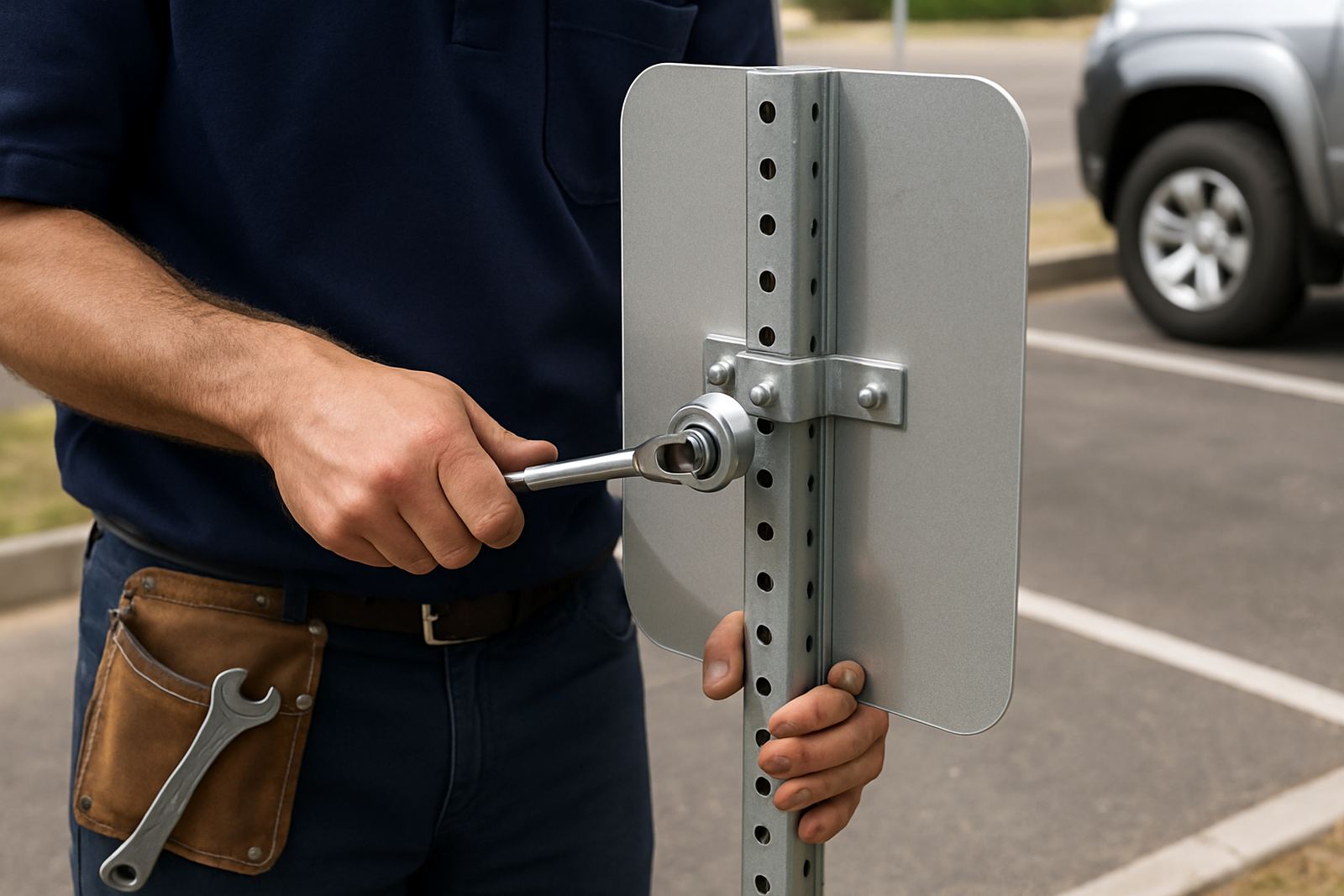
Installation is about support, spacing and access. A panel that looks fine on the bench can perform badly if it is fixed too tightly against a steel frame. Leave room for movement, use suitable washers or spacers where needed, and make sure the fixing pattern spreads the load. If the sheet is part of a guard, it must not flex into moving equipment or sharp edges.
For outdoor or semi-outdoor areas in Cape Town, think about sun, wind and cleaning access. A cover over a pump, metre or small enclosure should be easy to remove for inspection. In busy retail or industrial spaces, a panel that can be wiped down quickly is more practical than one that traps dirt behind every fixing point.
Good installation also means checking the surroundings. If there are municipal rules, safety inspections or site access controls, the panel should not interfere with labels, emergency access or service panels. On tenant sites in Montague Gardens or Durbanville, it is worth confirming the landlord rules before drilling into a shared structure.
Simple buying checklist before you place the order
Before you order, make sure the specification is complete. This avoids delays and extra cuts. It also helps the workshop quote accurately if the job includes machining, engraving or installation.
- Use: guard, cover, window, shield or enclosure.
- Location: indoor, outdoor, coastal, heat exposed or dusty.
- Size: finished dimensions and any required overhang.
- Thickness: based on span, impact risk and support.
- Finish: clear, tinted or frosted.
- Processing: cut to size, routed slots, drilled holes or engraved markings.
- Fitting: supply only or supply and install.
If you are working on a site in Table View, Blouberg, Parklands or Cape Town, keep the list with your photos and measurements. It makes the order much easier to check and reduces back-and-forth once the job starts.
When to ask for a custom made solution
Custom work makes sense when the opening is unusual, the panel must match existing equipment, or the guard needs more than a simple rectangle. Complex shapes, multiple cut-outs, printed safety text, fixing holes and layered assemblies all benefit from proper workshop preparation. That is where sign making and engineering machining can work together on one job.
If your sheet must also carry labels, safety instructions or branded markings, it is better to plan that from the start. If the part is part of a wider fit-out, the same team can handle signage, CNC routing, plastic machining and installation so the finished result matches across the site. For businesses in Milnerton, Paarden Eiland and surrounding areas, that can save time when shutdown windows are short and the work has to be done right first time.
For a practical quote, send the measurements, a photo of the opening and a brief note on how the part will be used. That gives the workshop enough detail to recommend the right sheet and finish, and to spot any issues before cutting begins.