What We Cut And Why It Matters
Cut to size plastics are used in sign work, machine guards, covers, dividers, display parts and general workshop repairs. We prepare sheets to the exact sizes you need, so the part fits first time and does not waste material or labour on site. That is important when a job has to go back into service quickly, especially on maintenance calls where a second trip costs time and money.
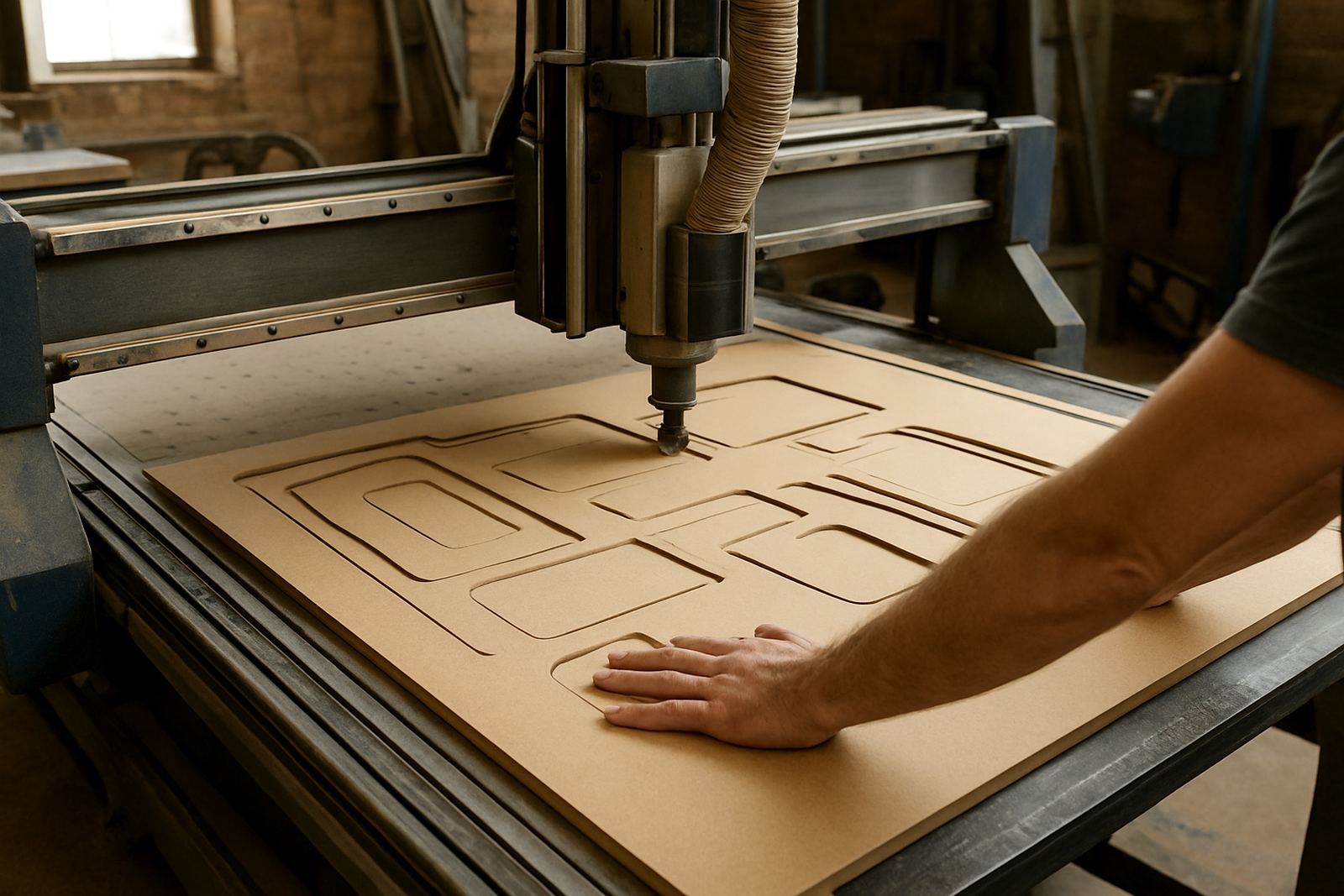
We work from supplied measurements, marked templates or an existing sample part. If you need holes, cut-outs, corners rounded off or edge trimming for a neat fit, we can include that in the job. Our team handles short runs and one-off pieces as well as repeat parts for regular maintenance schedules. For clients in coastal areas like Blouberg and Table View, we also help select materials that hold up better in humidity, sun and wind-blown salt.
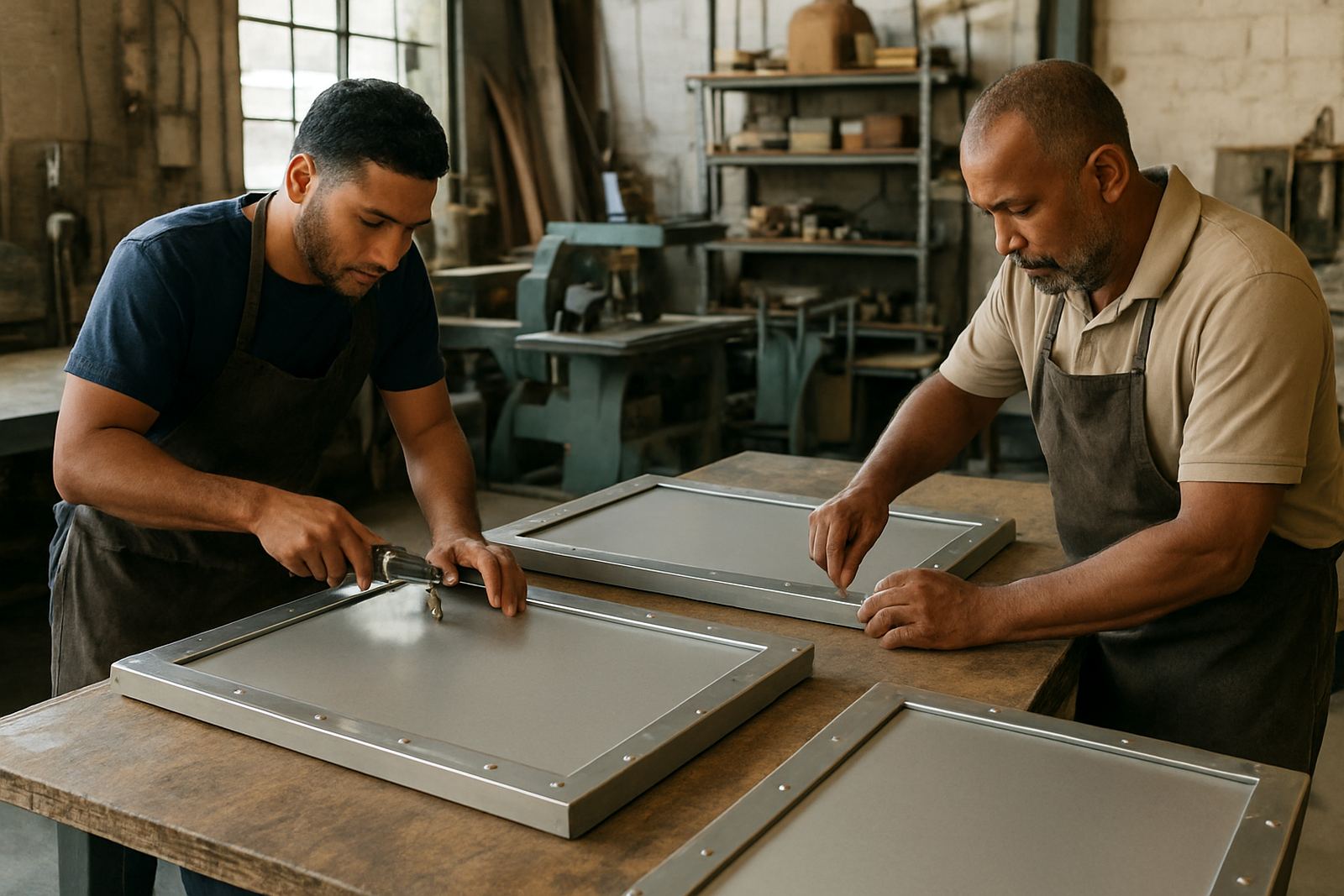
Typical cut to size work includes panels for signage frames, clear guards, coloured inserts, splash shields, machine covers, internal partitions and mounting plates. When a part has to sit square against a frame or line up with fixings, accuracy matters. We keep the cut clean and the dimensions true so the part can be installed without extra filing or forcing.
Materials, Thicknesses And Finish Options
We cut a wide range of engineering plastics and sign plastics used in commercial and industrial work. Thickness and material choice depend on the job, the load on the part, whether it must be clear, coloured or opaque, and whether it will sit indoors or outdoors.
- Clear sheet for guards, windows and cover panels
- Opaque sheet for enclosures, signs and backing pieces
- Coloured sheet for identification, coding and branding inserts
- Rigid board for mounting panels and internal fittings
- Wear resistant plastics for workshop use and machine surroundings
- Lightweight sheet for temporary covers and display applications
Common thicknesses range from 1 mm to 12 mm, with thicker stock available for specific fabrication jobs. We can supply simple square cuts, mitred corners, drilled fixing points, routed openings and polished edges where the part needs to look tidy from the front. For clear pieces, edge quality matters because rough edges can show up immediately once light hits the surface. For outdoor fittings, we consider UV exposure and movement caused by wind and temperature changes.
How We Handle Your Cut List
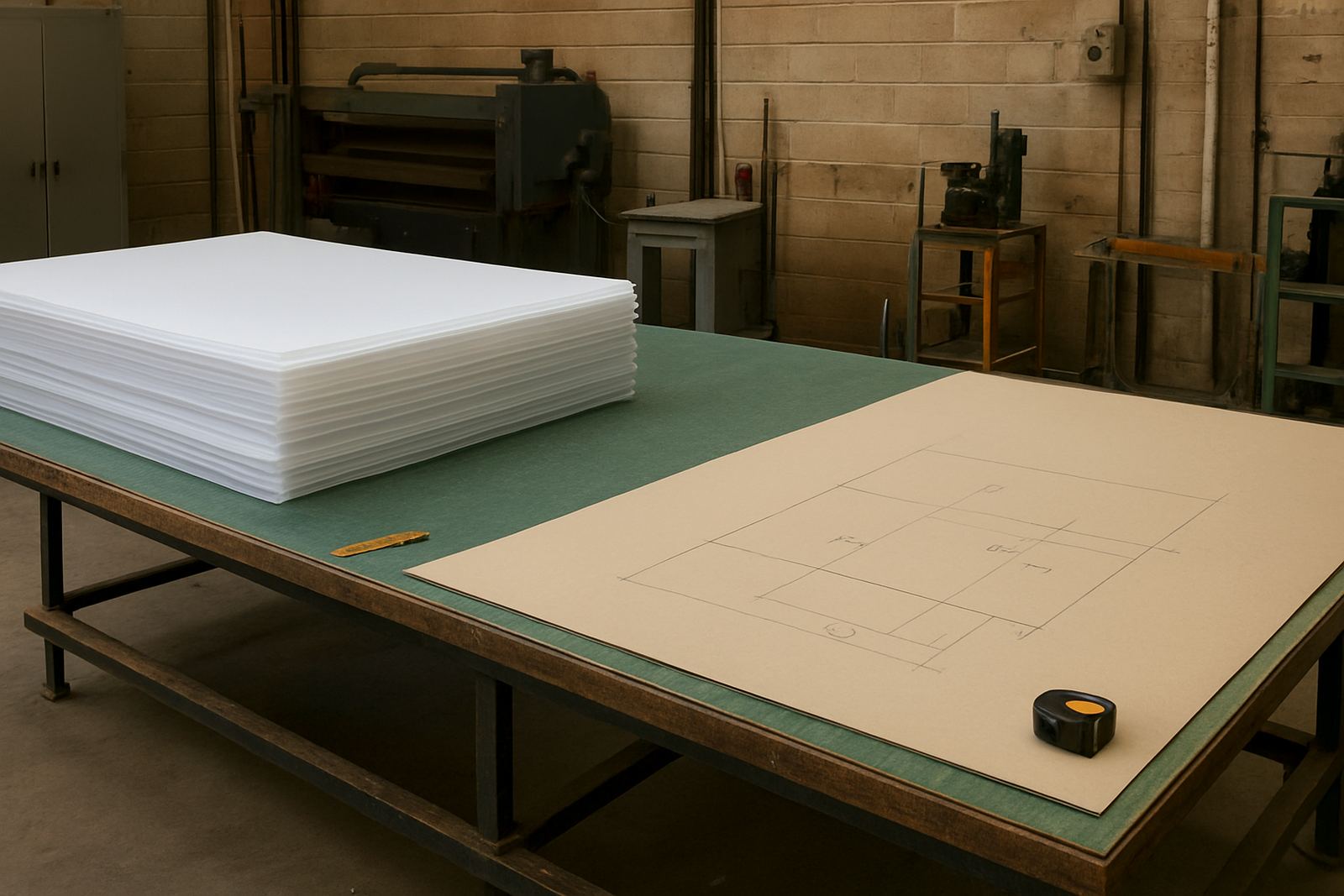
The process is straightforward and keeps mistakes to a minimum. You send through the measurements, drawing, template or sample, and we confirm the sheet type, thickness and quantity before cutting starts. If a drawing needs checking, we will query the dimensions early rather than wait until the part is on the machine.
- Measure or mark the required part sizes clearly
- Confirm material type, thickness and quantity
- Check for holes, notches, curves or edge requirements
- Cut, route or drill as needed
- Inspect the finished pieces before collection or delivery
Where jobs involve repeated parts, we keep the cut list consistent so replacement pieces match the original. That helps on signage maintenance and equipment upkeep where one worn panel may need to be remade later. If the job is for installation in a busy area, we can also cut parts in a sequence that speeds up on-site fitting and reduces downtime.
Turnaround For Workshop And Site Jobs
Turnaround depends on the sheet type, quantity, cutting complexity and current workshop load. Simple straight cuts can often be done quickly, while shaped parts, drilled fixings and routed details take longer. For regular maintenance work in Table View, Milnerton, Montague Gardens and Paarden Eiland, we try to plan cutting around site deadlines so installation teams are not left waiting.
For small urgent jobs, clear measurements and available stock help us move straight into cutting and preparation. Larger runs or specialist plastics may need a longer lead time. For outdoor jobs and coastal sites, we also allow time for proper handling and finishing so the edges are not chipped in transit. If you have a shutdown window, a school holiday fitment, or a retail fit-out with limited access, we can sequence the cut and delivery to suit the site.
Load-shedding can affect workshop timing, so we plan the cutting schedule around available power and machine time. That helps keep jobs moving without compromising accuracy. If your work is tied to a municipal or building rule, such as safety signs, access control or enclosure parts, let us know early so the cut pieces match the required application.
Pricing That Fits The Job Size
We price cut to size plastics according to material, sheet size, thickness, labour, cutting complexity and finish requirements. A plain rectangle in standard stock is priced differently from a set of routed panels with drilled holes, rounded corners and polished edges. Repeat orders and batch quantities are usually more efficient because set-up time is shared across the run.
Our quotations aim to be clear. You will normally see the cost of material, cutting time and any extra finishing work separately where needed. If we are matching an existing part, we may need to inspect a sample or sketch the profile before confirming the final price. For maintenance teams, it helps to send a list of common replacement sizes in one go rather than ordering parts one at a time. That usually gives a better Rand per piece and reduces wasted offcuts.
We also look at offcut usage. If a smaller part can be cut from an existing sheet remainder, we will say so. That keeps costs sensible and cuts down on unnecessary waste, which is useful for businesses that order parts regularly throughout the year.
Maintenance Intervals And Replacement Planning
Plastic parts last longer when they are checked before they crack, warp or discolour badly. For sign panels, covers and guards exposed to sun or salt air, a six to twelve month inspection interval is sensible. High traffic areas, workshop enclosures and externally mounted pieces may need earlier replacement if they show stress around fixings or edge damage from vibration.
- Check clear parts for haze, cracking or yellowing
- Check fixings for stress marks and loose points
- Check edges for chips after removal and reinstallation
- Replace warped sheets before they affect alignment
- Keep one or two spare pieces for critical equipment
For clients with repeated maintenance requirements, we can help set up standard sizes for quicker replacement later. That is useful for estate managers, shops, factories and sign maintenance teams who want the same part remade without measuring from scratch every time. Keeping a simple record of thickness, sheet type and dimensions makes future ordering quicker and lowers the risk of a mismatch.
Local Service From Table View To Cape Town
Our workshop is based in Table View and we work for businesses across Blouberg, Parklands, Durbanville, Milnerton, Montague Gardens, Paarden Eiland and Cape Town. That local reach matters when a part has to be collected, fitted or adjusted quickly. We know the practical side of working in busy commercial areas where access, parking and timing can affect the job.
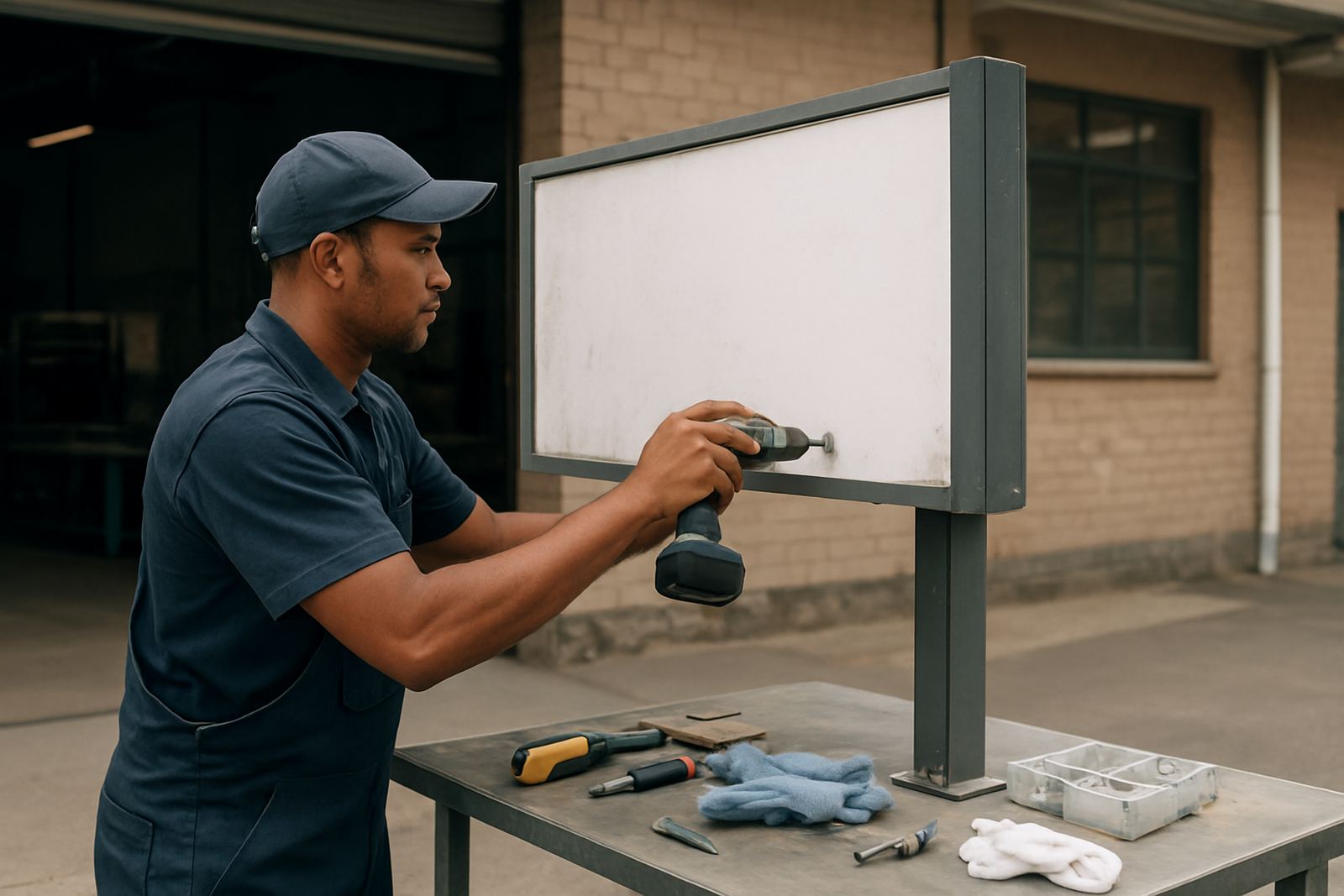
Because we also handle signage manufacture, installation, engraving, sandblasting and CNC machining, cut to size plastics can be folded into a wider job without sending the work elsewhere. That saves time when a sign panel, machine cover or branding element needs to fit alongside other parts in the same install. If you have measurements ready, send them through the enquiry form on our contact page and we will take it from there.
For businesses that need reliable repeat cuts, this service gives a neat result and a quicker path from measurement to fitting. It is a simple part of the job, but when it is done properly, the rest of the installation goes smoother.
Key facts
| Material types | Engineering plastics, clear sheet, opaque sheet, coloured sheet |
|---|---|
| Thickness range | Commonly 1 mm to 12 mm, with thicker stock on request |
| Cut accuracy | Sized to supplied measurements with checked tolerances for fit |
| Edge finishing | Square cut, trimmed, routed, drilled or polished where required |
| Typical use cases | Sign panels, guards, covers, dividers, inserts and maintenance parts |
| Service areas | Table View, Milnerton, Blouberg, Parklands, Durbanville and Cape Town |