Engineering plastics machined to suit the job
We machine engineering plastics for businesses that need parts to fit properly, last longer than off the shelf substitutes and hold up in day to day use. Our Table View workshop produces bushes, wear strips, guides, spacers, liners, cable guides, machine guards and custom production parts for light industrial, commercial and signage related applications across Blouberg, Parklands, Milnerton, Durbanville and Cape Town.
Plastic is often the better choice where corrosion, moisture or electrical insulation matters. In coastal areas like Table View and Blouberg, the right material makes a proper difference because salt air and humidity can shorten the life of metal parts. We work from supplied drawings, samples or site measurements, and we can machine one off parts or repeat runs for ongoing maintenance. Small batch work is common, but we also handle larger quantities when the spec is set and the tolerances are clear.
- Bushes and sleeve parts for light duty and industrial use
- Guides, rollers and wear parts for moving assemblies
- Spacers, packing blocks and mounting pieces
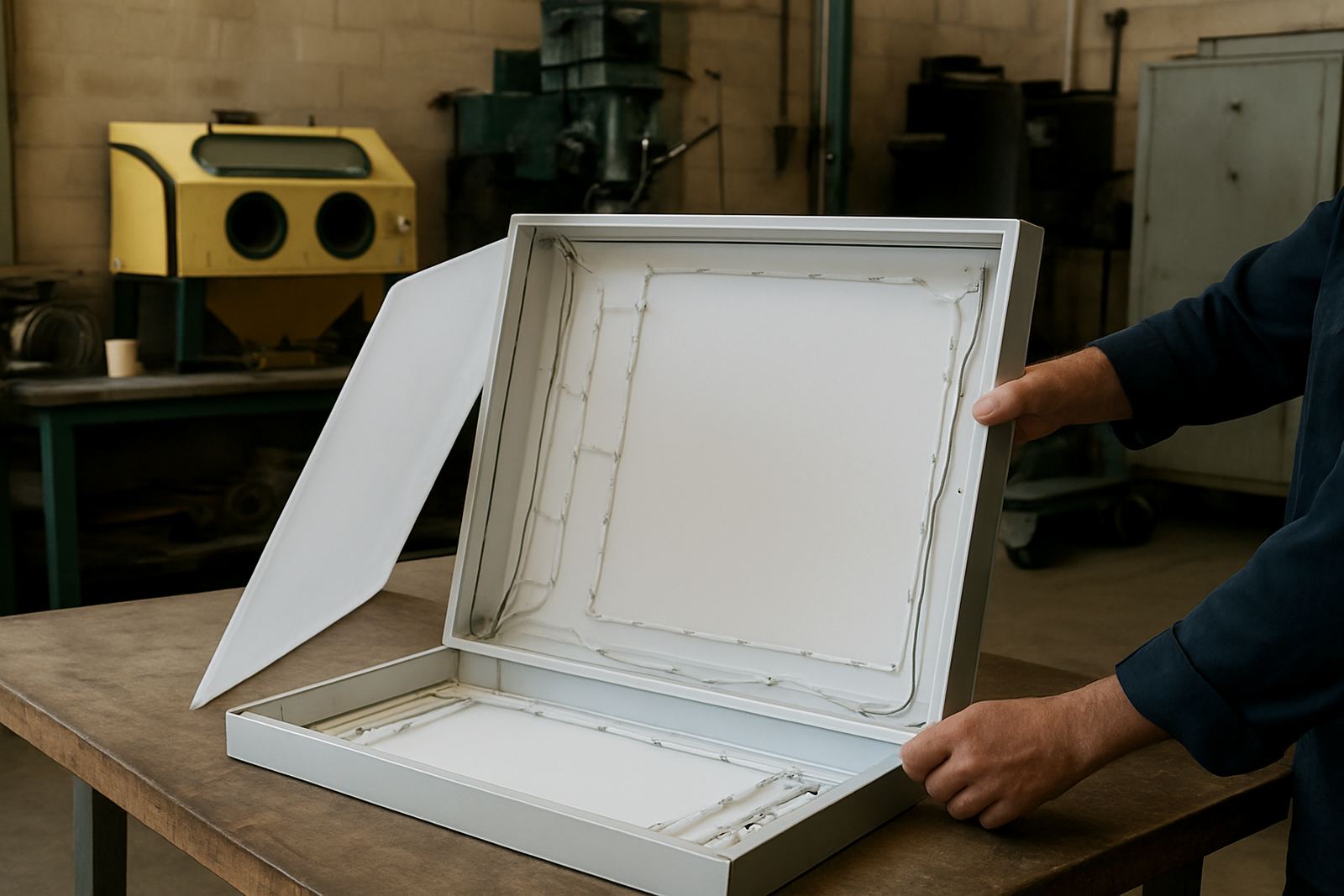
- Machine guards, covers and protective panels
- Cut to size sheets, strips and shaped components
What we machine and how it is finished
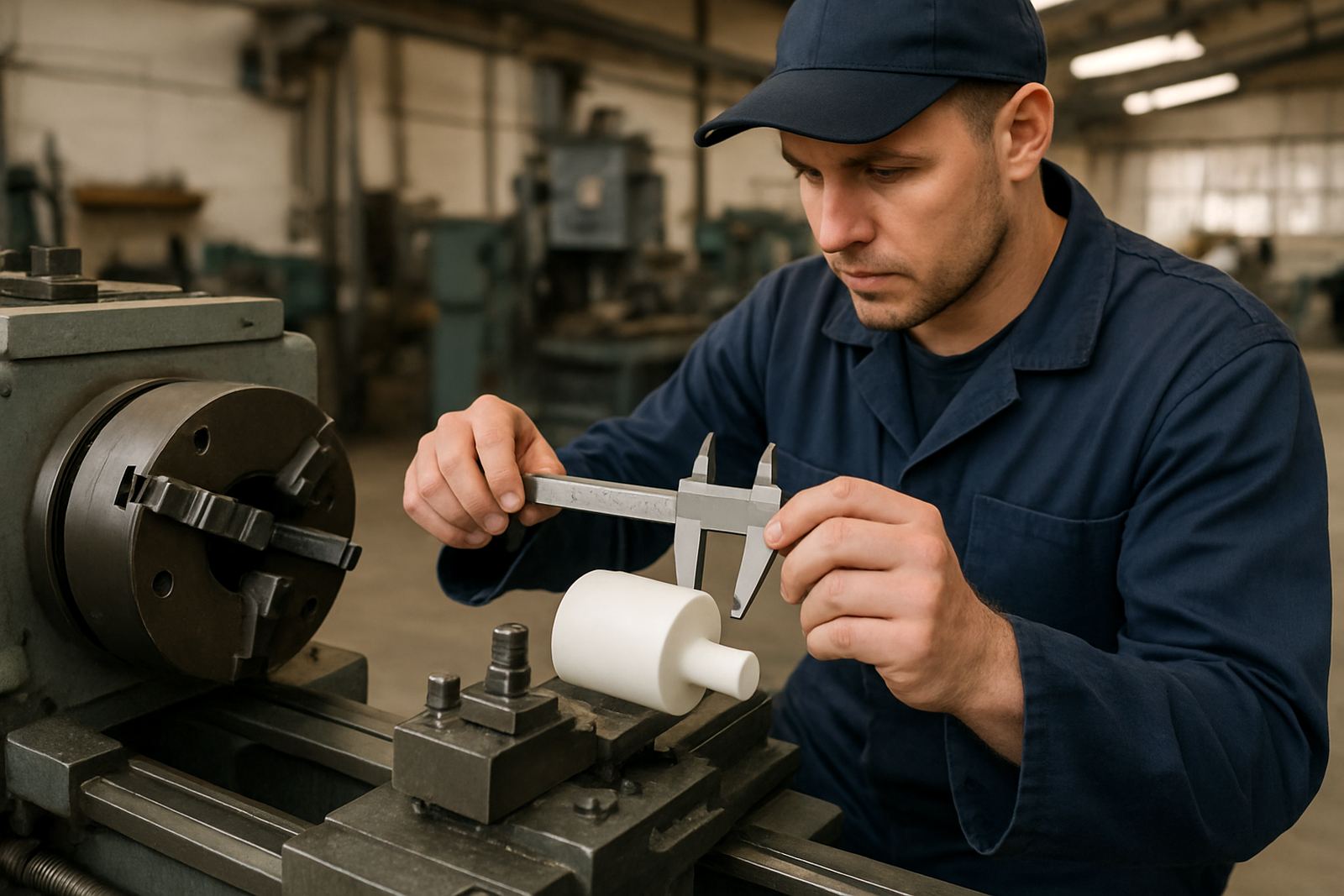
We cut and machine engineering plastics to the size and shape required, then finish edges so the part is ready for fitting. Depending on the part, we may router, drill, slot, plane, chamfer or engrave it. Where a tighter fit is needed, we machine to measured dimensions rather than working from a rough cut. If a component needs to slide, seal, locate or support a load, we shape it with that use in mind.
Common applications include plant and workshop parts, sign hardware, equipment mounts and custom fittings for fabrication jobs. We can work from a pattern or a damaged part that needs replacing. For repeat production, we keep the key dimensions on file so the next batch is easier to turn around and more consistent.
- Cut to size sheets, rods and blocks
- Turned, routed and drilled components
- Slots, holes and recesses machined to spec
- Edges eased for handling and safer installation
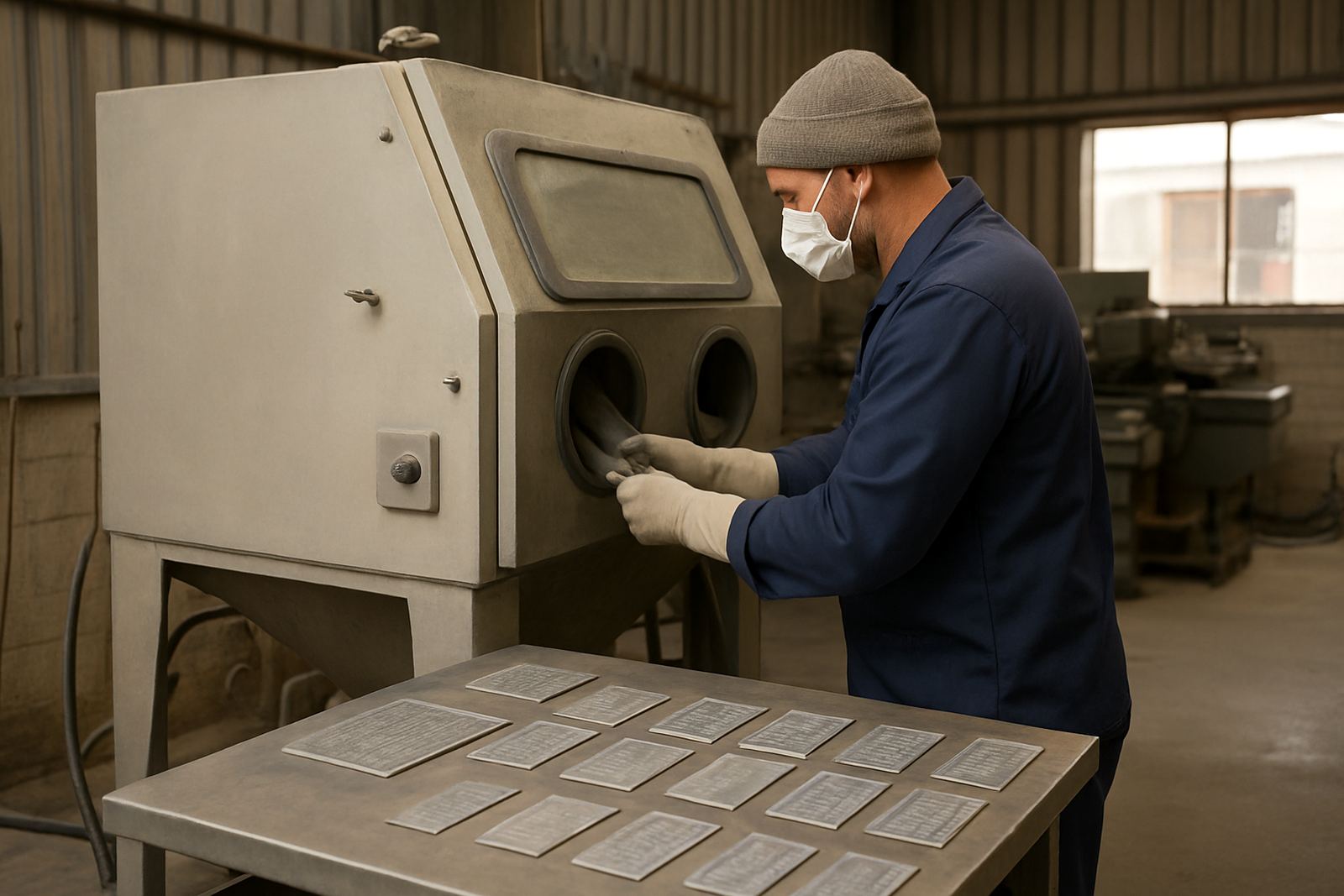
- Marking or engraving for identification where needed
Our machining process from enquiry to fitment
Every job starts with the enquiry form on our contact page and then we confirm the use, the material and the measurements. If you have a drawing, send it through. If not, we can work from a sample, sketch or site dimensions. For parts that must fit into existing equipment, we ask for the critical sizes, fixing points and any wear issues that need to be solved.
Once the spec is clear, we prepare the material and machine the item in our workshop. Where required, we can test fit parts before final finish. If an adjustment is needed, we handle it in house rather than sending the job out and adding delay. That keeps communication direct and avoids confusion on small but important details like hole spacing, thickness or clearance. It also helps when the part has to go into service quickly because a machine is standing still.
- Step 1: Send dimensions, samples or a sketch through the enquiry form
- Step 2: We confirm material choice, quantities and lead time
- Step 3: Machining, finishing and quality check in workshop
- Step 4: Collection or delivery arranged for the Cape Town area
Material choice, tolerances and practical specs
Different plastics suit different jobs. Some are better for wear, some for low friction, some for chemical resistance and some for electrical insulation. We advise on the practical match between the part and the working environment, especially where heat, moisture or repeated movement is involved. If a part is under constant load or exposed to vibration, material choice matters as much as the shape.
For typical workshop and light industrial work, we machine components within practical tolerances that suit the application. Tighter tolerances can be achieved on smaller parts and well defined jobs. We also take note of thickness, flatness and edge finish where those points affect performance. If your part needs to run quietly, withstand washdown or avoid marking a mating surface, we build that into the machining plan. For outdoor use or coastal sites, we can recommend materials that cope better with sun and humidity.
- Typical sheet sizes and part sizes depend on the material selected
- Thicknesses can be matched to the application, from thin covers to heavier blocks
- Holes, slots and cut-outs are machined to suit fixing and clearance needs
- Repeatability is improved when the same sample or drawing is supplied for follow up orders
Turnaround, pricing and when urgent work makes sense
Turnaround depends on the complexity of the part, the material required and how many pieces you need. Simple cut to size parts can often move quickly, while shaped components, multiple fixing points or tight tolerances need more time. We will always say what is realistic before starting, so you know if the job is same week, next week or tied to a bigger workshop schedule.
Pricing is based on material type, sheet or rod size, machining time, finishing and quantity. One off parts usually cost more per item because setup time is built in. Repeat orders are priced more efficiently once the dimensions and process are fixed. If the job is urgent and a machine is down, tell us that up front, because that can change the way we schedule the work. We do not pad the job with extras, we quote for what is actually needed and nothing else.
For businesses in Cape Town, Table View, Milnerton and the surrounding industrial areas, it helps to send clear measurements early. That reduces back and forth and shortens lead time. If you are replacing an old part, include photos of the part in place and any wear marks, since that often shows where the previous design failed.
Maintenance intervals and wear checks for longer part life
Plastic parts do wear, even when they are the right material for the job. The interval depends on load, speed, temperature, cleaning chemicals and how often the equipment runs. A light duty spacer may last for years, while a guide or bush in daily use may need inspection every few months. We recommend regular checks where the part moves, carries a load or sits outdoors.
As a practical guide, most users should inspect fittings during planned maintenance, after any unusual noise or vibration, and after cleaning where chemicals are used. If a part has become loose, ovalled, cracked or scored, it is better to replace it before it damages the mating metal surface. That saves time and avoids a larger repair later. In coastal areas, check fasteners and supports as well, because corrosion around the plastic part can be the real cause of failure.
- Inspect moving parts during scheduled service stops
- Check for cracks, wear grooves and looseness after heavy use
- Replace parts before they start damaging shafts, tracks or housings
- Keep a sample or drawing for faster repeat manufacture
Key facts
| Service area | Table View, Blouberg, Milnerton, Parklands, Durbanville, Montague Gardens, Paarden Eiland and Cape Town |
|---|---|
| Typical parts | Bushes, guides, spacers, guards, liners and production parts |
| Materials | Engineering plastics selected for wear, friction, insulation or moisture resistance |
| Work size | From small one off parts to repeat batch runs |
| Finishing | Cutting, routing, drilling, slotting, chamfering and engraving |
| Enquiry method | Use the contact page enquiry form with drawings or sample dimensions |