What a roadside pylon sign does for your site
A roadside pylon sign is a tall freestanding sign structure designed to be seen from passing traffic and from site entrances. It usually carries your business name, logo, tenant list or directional information, and is built high enough to clear parked vehicles, boundary walls and street furniture. For retail centres, industrial parks, fuel stations, schools and medical facilities, the aim is simple: help people find you quickly and give your site a clear identity from the street.
In Cape Town conditions, a pylon sign has to do more than look neat. It must stand up to coastal wind, salt air, summer heat and winter rain, while staying readable at a distance. We fabricate the frame, panels and fixings to suit the site, then install the structure with the correct foundations and access planning for the space available. If the sign will be lit, we also plan for safe electrical access and maintenance after dark and during load-shedding periods.
Common sizes, formats and construction options
Pylon signs are usually made to suit the site rather than chosen from a standard size. A small single-tenant pylon may be around 2.4 m to 4 m high, while a retail or business park sign can range from 5 m to 12 m or more, depending on visibility, setback and municipal approval. Width is typically based on the message area and can be shaped as a single vertical blade, a double-sided board, or a wider monument-style structure with one or more faces.
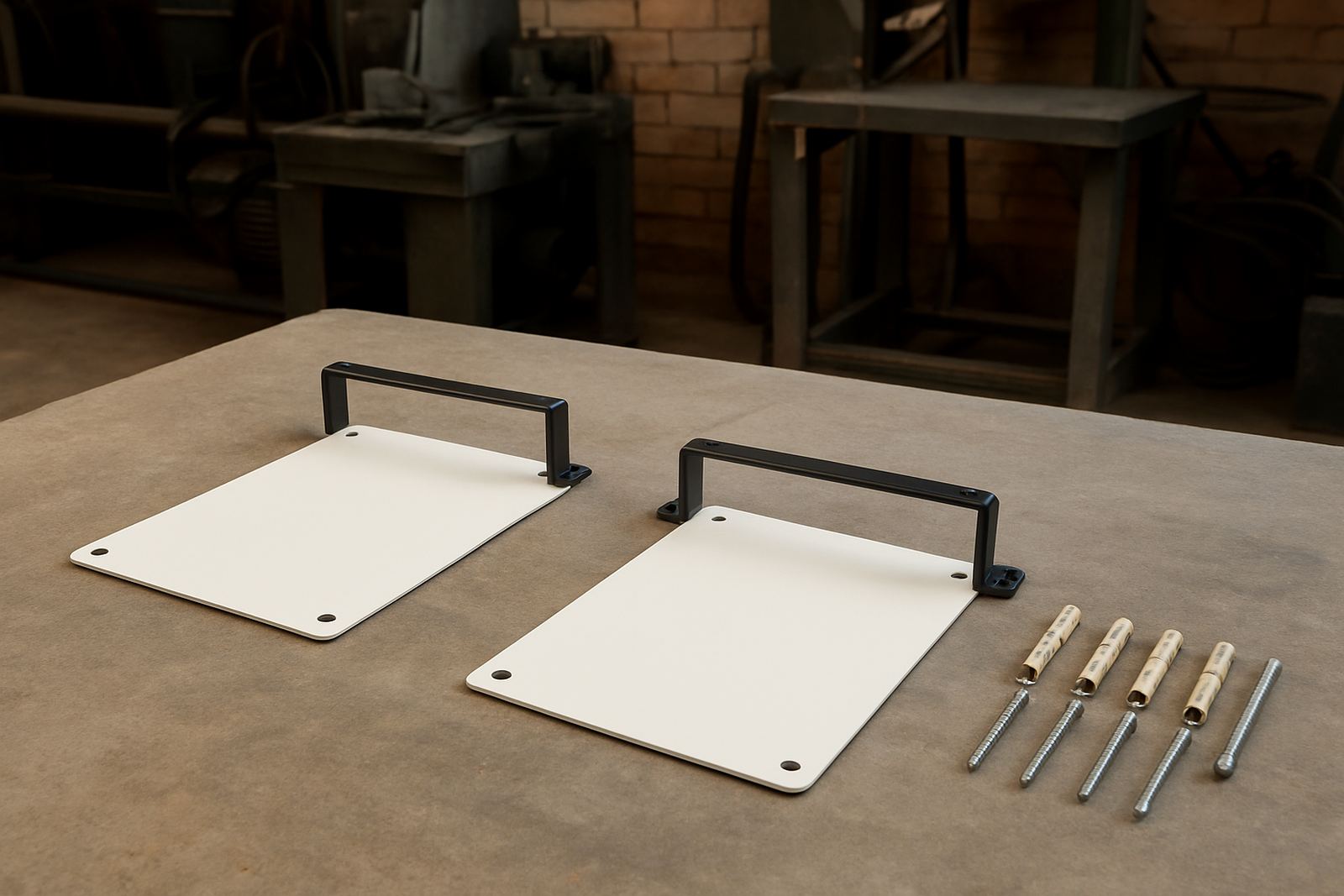
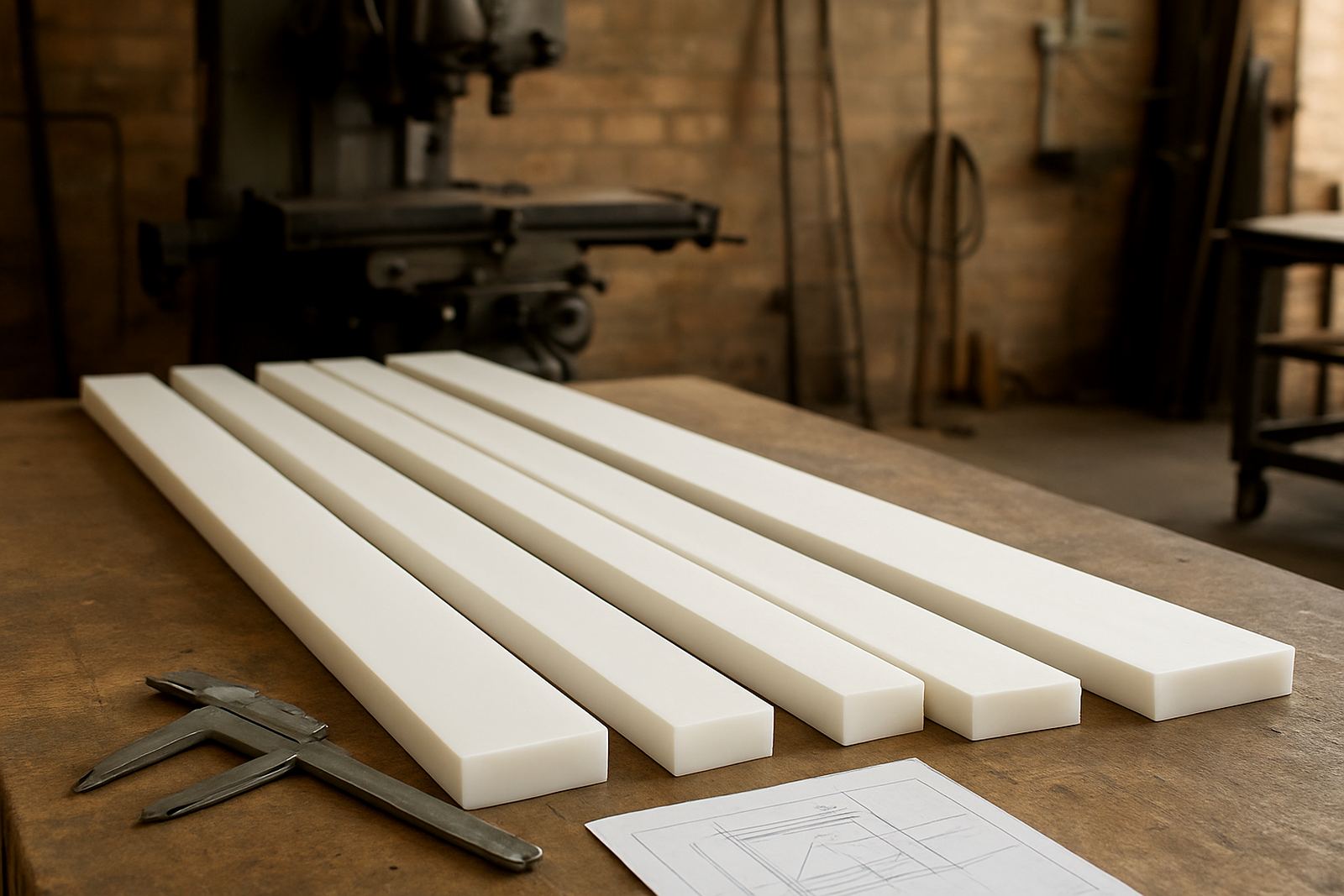
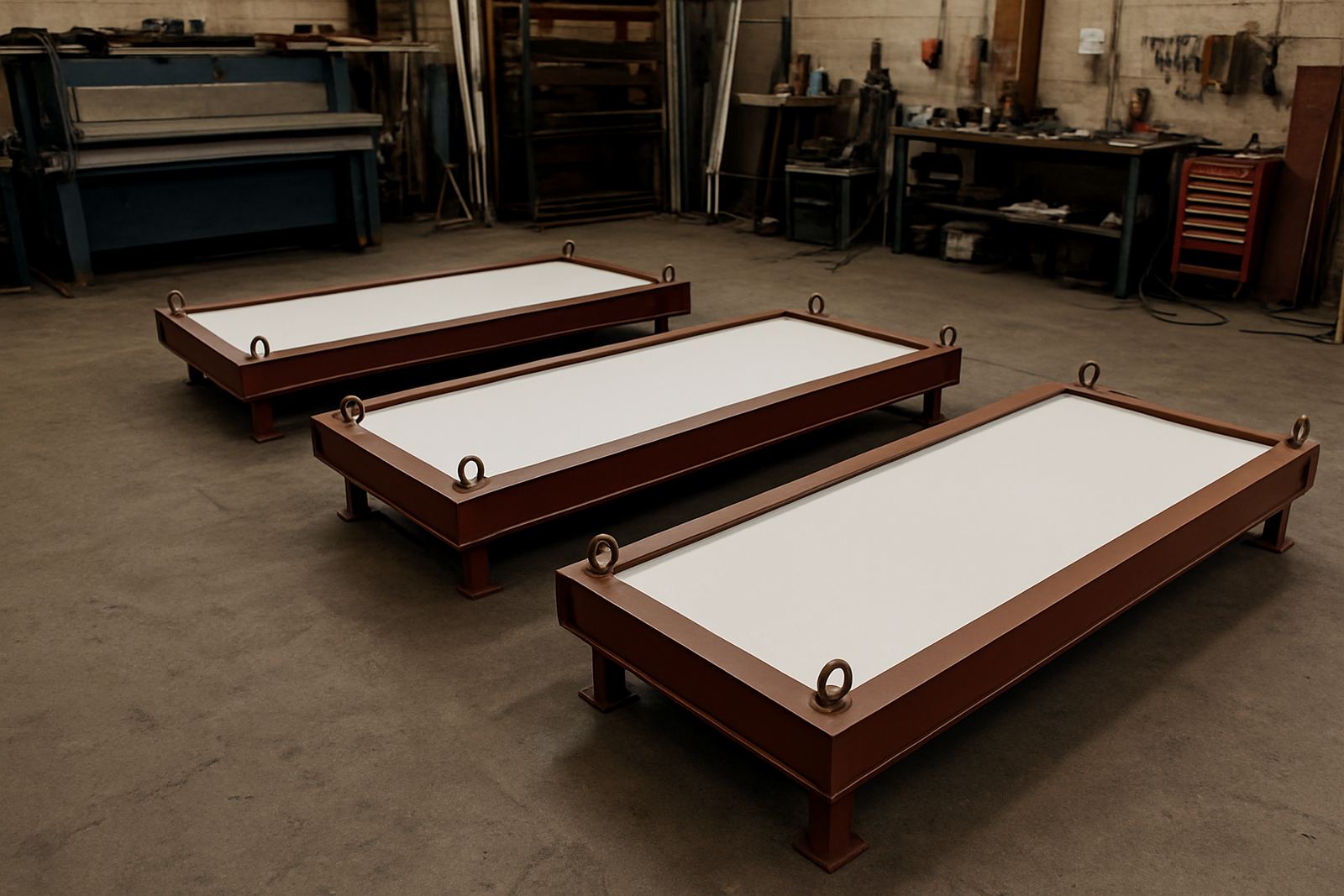
Typical options include powder-coated mild steel frames, aluminium panel skins, internal stiffening, routed acrylic face panels and printed or cut vinyl graphics. For brighter roadside visibility, we build illuminated options with internal LED lighting or external floodlighting. Where a site needs multiple names, we can include stackable tenant panels or directional blades. For harsh coastal areas, material choice matters, so the frame, fasteners and finish are selected to limit corrosion and reduce maintenance over time.
- Single-tenant or multi-tenant layouts
- Illuminated or non-illuminated faces
- Single-sided or double-sided viewing
- Powder-coated steel or aluminium construction
- Internal lighting, external lighting or no lighting
- Custom shapes for corporate branding or site matching
Where roadside pylons work best
These signs suit sites that sit off a main road, have more than one entrance, or need stronger identification from a distance. They are often used by shopping centres, warehouse yards, motor service sites, office parks, logistics depots, schools, medical suites and mixed-use developments. In busy areas such as Table View, Milnerton, Blouberg, Parklands, Durbanville, Montague Gardens and Paarden Eiland, a good pylon sign can make the difference between people finding the gate first time or driving past and turning around.
A pylon also helps where boundary walls, hedges or traffic flow make wall signage hard to see. It can be positioned near the street edge, at an access road, or inside the site where vehicles queue for entry. If the property falls under body corporate rules, municipal setback requirements or estate guidelines, we help work within the available footprint. It is always better to check those early, because sign height, foundation size and illumination can affect approval time.
- Road-facing sites with fast-moving traffic
- Set-back entrances and side roads
- Industrial and commercial parks
- Retail centres with multiple tenants
- Sites needing night visibility or directional clarity
Installation, foundations and power requirements
Installing a pylon sign starts with site measurement, footing planning and an understanding of what lies below ground. A small sign may need a modest reinforced concrete base, while taller structures require a more substantial foundation and correctly sized anchor bolts. Wind loading is a serious part of the design in Cape Town, especially near the coast, so the frame and footing must be matched to the height, face area and location. If the sign is going next to a driveway, gate or pavement, we also plan for vehicle clearance and safe access during installation.
For illuminated pylons, power supply needs must be checked early. Most lit signs need a suitable electrical feed from the site distribution board, a means of isolation, and weatherproof access to the service compartment. If the sign is to remain visible during outages, we can discuss backup power options at the planning stage. It is also important to think about cable runs, timer settings and maintenance access, because a tall sign becomes hard and costly to service if those items are ignored at the start.
- Confirm available power supply before fabrication
- Check foundation depth and underground services
- Allow safe access for installers and future maintenance
- Plan for wind load and coastal exposure
- Consider backup lighting if the site needs night visibility during outages
Materials, lighting and maintenance over time
Roadside signs are exposed to dust, sun, wind and pollution, so regular care matters. We recommend periodic inspections of the frame, fixings, face panels, lighting and base area. On coastal sites, salt air can speed up wear on untreated steel and standard fixings, so a proper finish and a planned maintenance schedule help extend the life of the sign. A clean face also keeps the message readable, especially where traffic passes quickly and drivers only have a few seconds to register the name.
If the sign is lit, LED components are commonly used because they draw less power and are more dependable than older lamp types. Even so, wiring, transformers or drivers can fail, and access panels should be checked for water ingress after heavy rain. For printed or vinyl graphics, faded sections should be replaced before the sign starts looking tired. We also carry out repairs, re-facing and structural maintenance when a pylon has been in service for years and just needs attention rather than full replacement.
What to check before placing your order
Before a roadside pylon sign is manufactured, it helps to confirm the details that affect the final price, size and approval process. The more accurate the brief, the better the result and the fewer delays on site. We usually ask for the proposed sign position, the viewing distance, the message content, and whether the sign needs to be illuminated or changed later for new tenants.
Useful information to have ready includes:
- Site address and a marked sign position
- Approximate viewing distance from the road
- Preferred height and face size
- Whether the sign is for one business or multiple tenants
- Any municipal, landlord or estate requirements
- Electrical availability and preferred lighting type
- Corporate colours, logo files and wording for the face
If you are unsure about height or format, we can advise based on the road speed, the site setback and the amount of information you want on the sign. A clean layout is usually better than trying to place too much copy on one face. For busy roads, readability matters more than decoration, and that is where a well-proportioned pylon earns its keep.
Roadside Pylon Signs Built for Cape Town Sites
A roadside pylon sign is not something to size by guesswork. It has to match the road, the wind, the structure, the electrical setup and the name you want people to remember. At our Table View workshop, we manufacture signage and engineered components for businesses across Blouberg, Parklands, Durbanville, Milnerton, Montague Gardens, Paarden Eiland and Cape Town. That means the metalwork, panels and fixings can be made to suit the job instead of forcing the site to fit a standard shape.
When a pylon is planned properly, it becomes a long-term asset. It makes your entrance easier to find, supports your brand from a distance, and stays readable in weather that would flatten lighter signage. Whether you need a plain non-lit direction sign or a tall illuminated structure for a commercial site, we can assist with manufacture, installation and ongoing service where needed.
Key facts
| Height range | Commonly 2.4 m to 12 m+, subject to site and approval |
|---|---|
| Face options | Single-sided, double-sided or multi-panel layouts |
| Frame material | Powder-coated mild steel or aluminium construction |
| Face material | Aluminium, acrylic, composite panels or routed boards |
| Lighting | LED internal lighting, external lighting or non-illuminated |
| Finish | Custom colour matching, vinyl graphics, cut lettering and protective coatings |