
Why repeated runs beat emergency orders
Maintenance work rarely waits for a convenient moment. A worn guide block, cracked cover or missing spacer can stop production, and if the part has to be measured, drawn up and cut from scratch each time, the delay adds up fast.
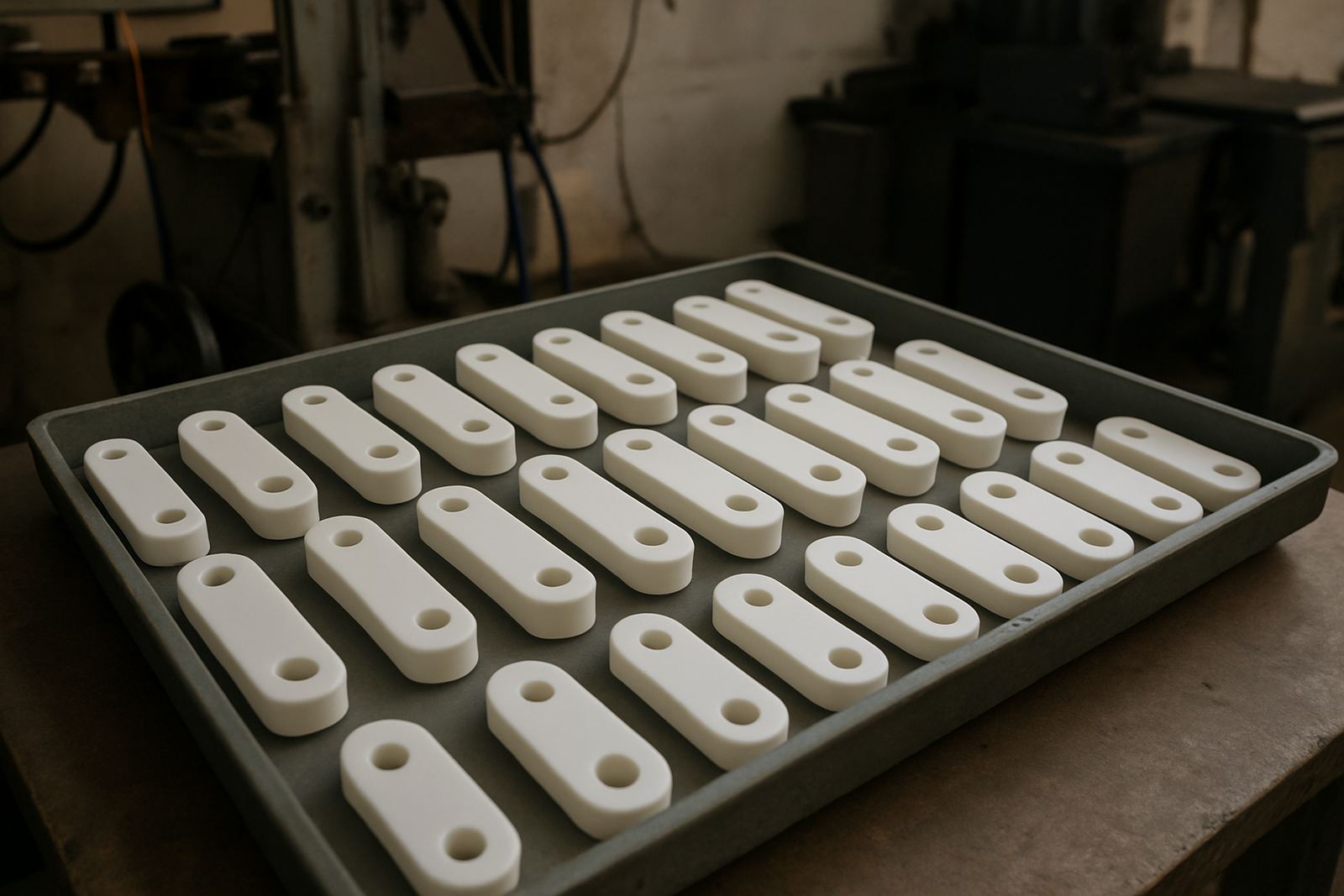
Repeated batch machining solves that problem by making a planned quantity of the same part in one run. The drawings are checked once, the material is set aside, and the workshop produces the same item in a controlled sequence. That means your stores team can keep a small buffer on the shelf instead of chasing each part after it fails.
For businesses in Table View, Milnerton and the wider Cape Town area, this is especially useful where equipment runs long hours and downtime costs more than the spare part itself. It also helps in coastal conditions, where moisture, salt air and dust can shorten the life of exposed components.
- Less waiting for urgent machining
- Better control over part sizes and fit
- Simple stockkeeping for maintenance stores
- Fewer interruptions when the same item wears again
What makes a good batch part for stock
Not every plastic item should be batch made. The best candidates are parts that fail in a predictable way, are used in multiples, or are awkward to source quickly from a standard supplier. Many maintenance teams start with the items they replace every few months.
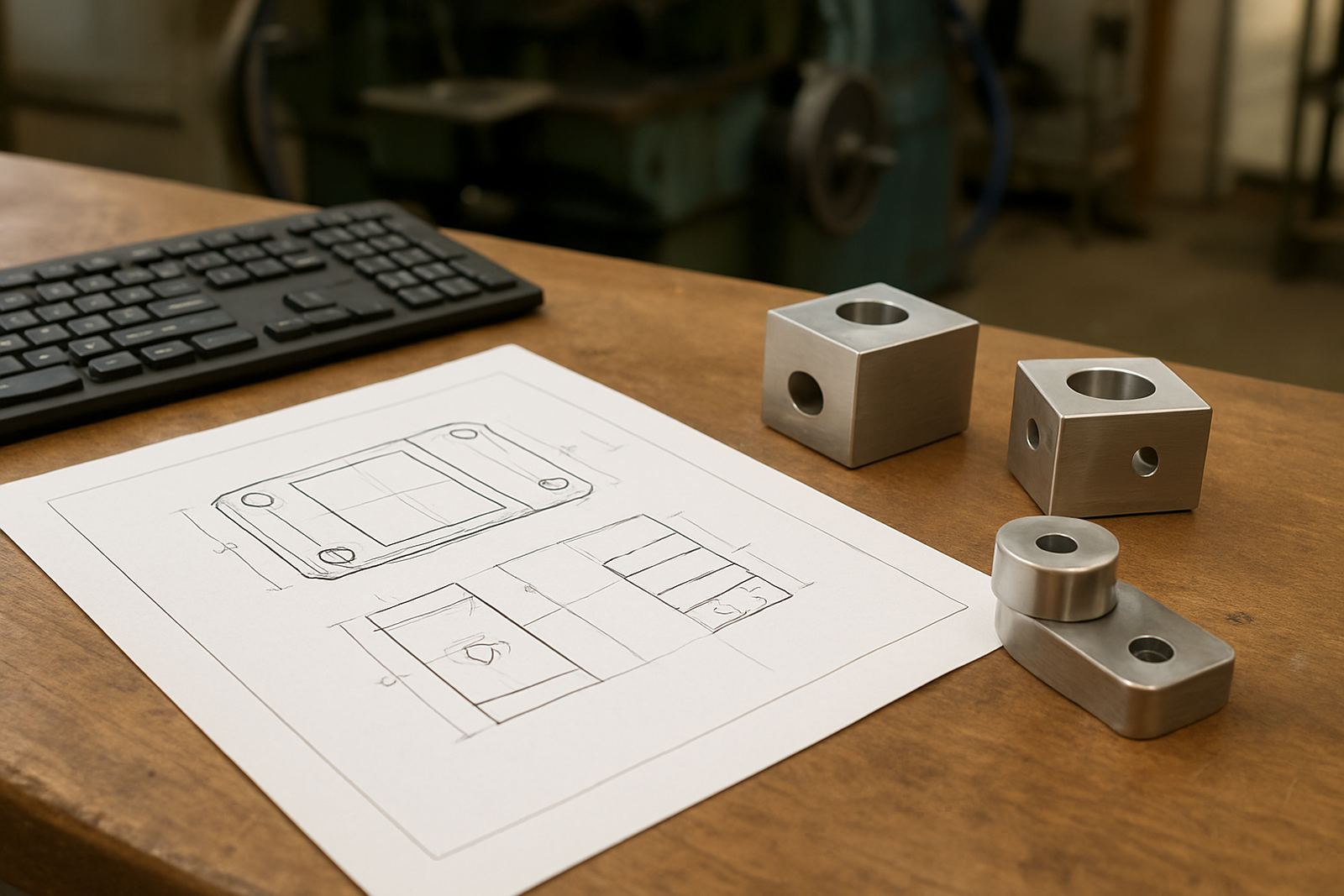
Common batch parts include wear strips, spacers, shims, guide components, protective covers and machine stand-off pieces. If the part must match an existing assembly, the first step is to confirm the exact size, hole pattern, thickness and material grade. A small error can cause a loose fit or premature wear, and that leads to another stoppage.
Batch runs work best when the team records the part number, location and preferred quantity in stores. That way the workshop can repeat the job without a full redesign every time.
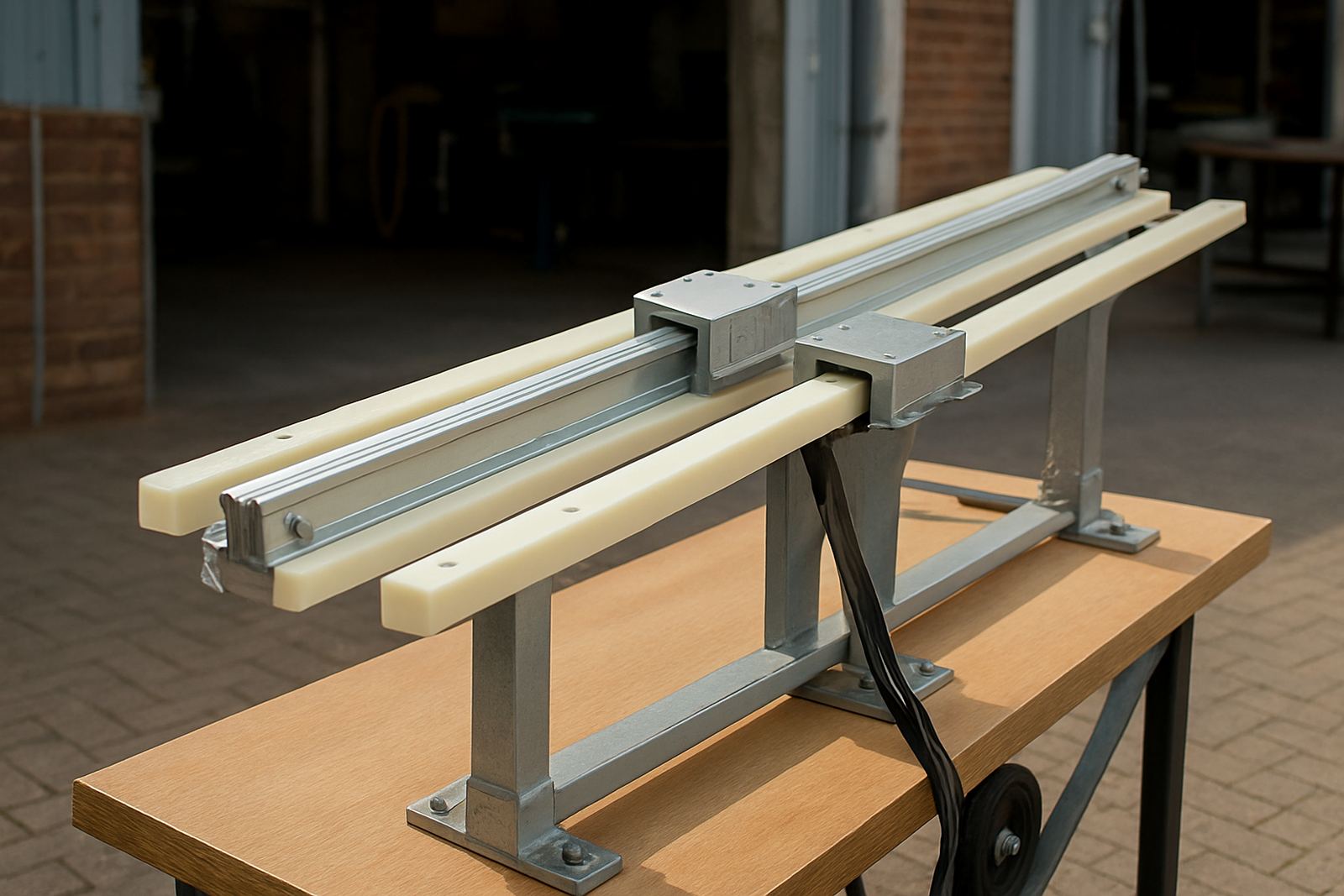
- Wear strips and guide blocks
- Spacers, shims and locating pieces
- Protective covers and guards
- Cut-to-size panels for cabinets and equipment enclosures
How the workshop keeps parts consistent from the first piece to the last
Consistency matters more than speed when a batch is going onto a shelf for future use. The workshop checks the material, sets up the machine, and keeps the cutting sequence the same through the run. If a part is going to sit in stores for months, it needs to be the same today as it will be when the team finally installs it.
At our Table View workshop, repeated machining is handled with the same care as a single custom part. Measurements are confirmed, edge finishes are checked, and the pieces are counted before dispatch. For parts that need engraving or clear identification, we can mark them so the maintenance team does not have to guess later.
Load-shedding and power interruptions can disrupt many workshops, so planning matters. Batch work helps because it can be scheduled around machine time, material availability and urgent site work instead of relying on one sudden order every time a machine fails.
- Confirmed dimensions before the run starts
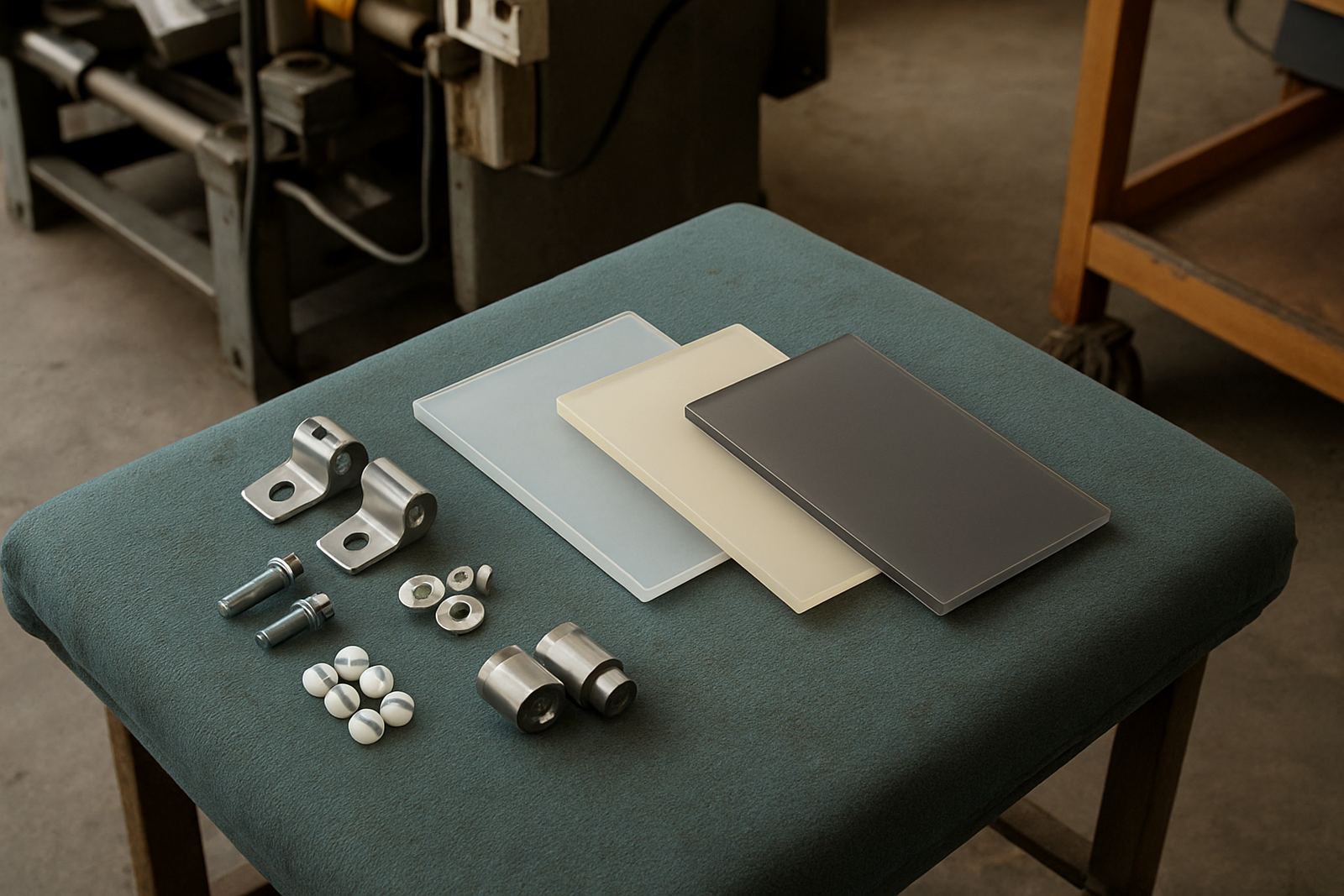
- Material matched to the job and the environment
- Counted, labelled and packed in sensible quantities
- Repeatability for future reorders
Keeping stock on hand without overbuying
Good maintenance stores are not full of random offcuts. They carry the right quantities of the right parts. Repeated batch machining helps you decide on a practical buffer stock, so you do not tie up too much cash in items that may never be used.
A simple rule is to look at failure history, lead time and the cost of stoppage. If a part fails every quarter and takes two weeks to replace when ordered individually, a small batch on the shelf makes sense. If it is only used once in a blue moon, a smaller run may be enough. The point is to match the stock level to the real risk.
This approach is useful for factories, warehouses and workshop sites across Blouberg, Parklands, Durbanville, Montague Gardens and Paarden Eiland. It supports planned maintenance rather than rushed callouts, which is often where costs start climbing.
- Set a minimum stock level for repeated failures
- Keep one sample part for future matching
- Review usage every few months
- Reduce dead stock by ordering in sensible batches
A local example from a coastal maintenance team
A maintenance team working near the Table View and Milnerton side of Cape Town often deals with salt air, damp mornings and equipment that runs close to the coast. One of their recurring issues was a set of plastic spacers used in a plant room assembly. When one cracked, the whole fitting had to be opened and the crew would wait for a replacement before they could close up the unit.
After the first few callouts, they switched to repeated batch machining. Instead of asking for one piece each time, they kept a small stock of the same spacers in the store room. The team could now replace a failed part straight away, and the supervisor could schedule the next batch before the stock got too low.
That is the real value of batch work. It is not only about making parts. It is about keeping maintenance moving when a broken item would otherwise hold up the shift.
When to ask for a batch run instead of a one-off job
If you are deciding whether to order a single part or a repeated run, start with the pattern of use. A one-off job suits a unique repair, a prototype or a part that will not be needed again. Batch machining suits items that wear out, break in the same place, or need to be stored for future servicing.
At Blouberg Signz & Engineering, we help businesses across Cape Town plan cut-to-size plastics and machined parts that can be repeated with the same measurements each time. That includes jobs for maintenance teams, workshops and operations managers who need a dependable supply of spares, not a last-minute scramble.
If you already know the part size, material preference and the quantity you want to hold in stock, the process becomes straightforward. If not, bring the old part, the drawing or the machine sample and we can work from there.
- Repeat failures of the same part
- Long lead times for replacements
- Need to keep stock in the store room
- Equipment downtime costs more than the spare part