Why fleet branding matters when your vehicles are on the road all day
A vehicle is more than transport when it carries tools, stock and your name around town. For plumbers, electricians, cleaners, pest control teams, delivery crews and repair contractors, the right signage helps people spot you in traffic, remember your number and call when they need service.
In Table View, Milnerton and the wider Cape Town area, fleet vehicles face strong sun, sea air, construction dust and constant stop-start driving. That means the branding has to look sharp, stay readable and hold up on panels, canopies, rear doors and trailers. We plan each job around how the vehicle is used, whether it is parked outside a depot, collected by drivers in shifts or washed often after site visits.
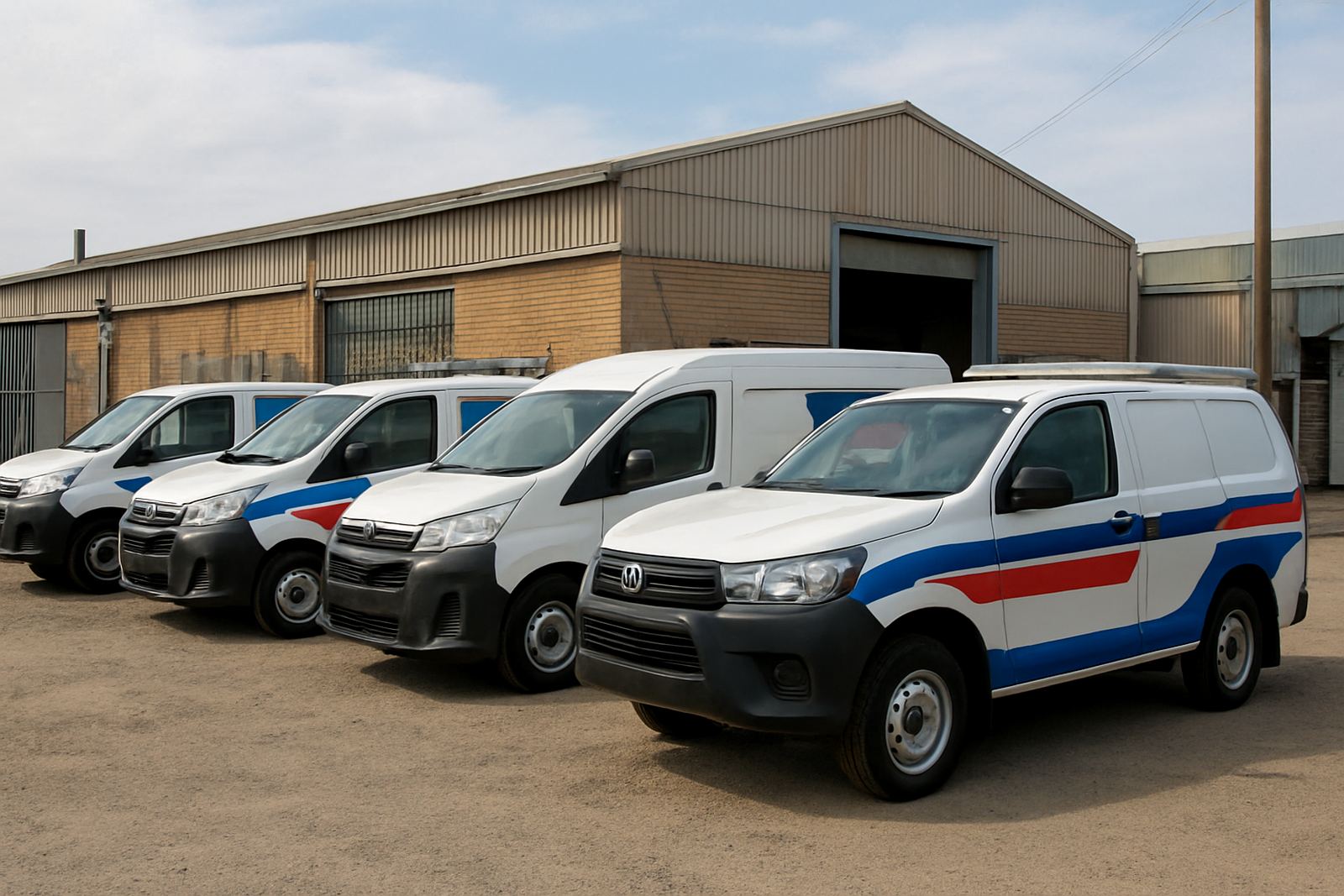
For a small business with one bakkie, a neat set of magnets and rear-door graphics may be enough. For a larger fleet, consistent wrap panels and numbering across every vehicle keeps the whole operation looking organised. It also makes it easier for customers and site managers to identify the right team, which matters on busy industrial roads and municipal sites.
Typical fleet branding set for mobile service businesses
The best setup depends on budget, vehicle type and how permanent you want the branding to be. A fleet does not need full wraps on every unit to make a proper impression. Many businesses start with a practical mix that can be changed as vehicles are swapped in and out of the fleet.
- Partial vehicle wraps for doors, bonnets, tailgates or side panels
- Magnetic signs for temporary use on hired or shared vehicles
- Trailer branding with panels, decals or printed skin sections
- Cut vinyl lettering for company name, contact details and services
- Fleet numbering and unit identification for workshops and dispatch
- Reflective safety markings where site visibility is important
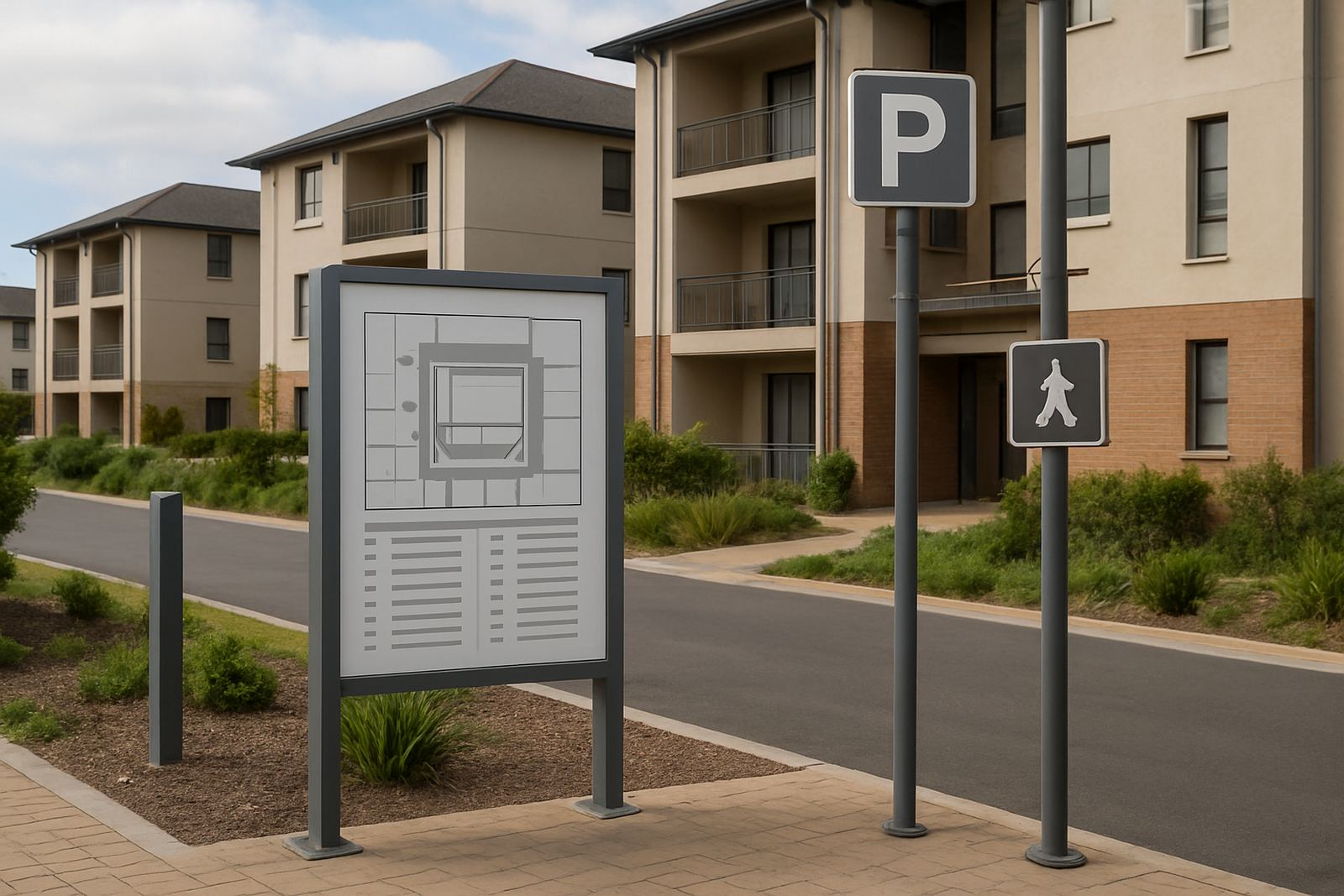
We also handle sandblasting, engraved plates and cut-to-size plastics for ancillary items such as trailer labels, toolbox tags, warning panels and internal plant identification. If your team works around load-shedding areas, low-light depots or night callouts, reflective elements are worth considering because they improve visibility without relying on extra power.
Planning the artwork and layout before the first panel is cut
Good fleet branding starts with the shape of the vehicle, not the logo file. A panel that looks neat on a bakkie canopy may disappear on a panel van with wide sliding doors or deep ribs. We map out the usable space first, then decide what must be seen from the side, rear and front in normal traffic.
Keep the message short. A driver has only a few seconds at a robot or in a parking queue, so the business name, main service and contact point need to be the clearest items on the vehicle. Extra details such as service areas, registration numbers and website information should support the main message, not crowd it. On trailers, the rear and both sides need the strongest wording because that is what other road users usually see.
Colour choice matters too. Pale text on a white van may vanish in bright summer light, while dark graphics on a charcoal vehicle can become hard to read if the layout is too busy. We often recommend testing the design against common Cape Town road conditions, including harsh glare, coastal haze and dirty rear spray after rain.
Common mistakes that cost money later
Fleet branding goes wrong when the job is rushed or planned only for the first vehicle. One common mistake is using the same layout on every unit without checking the door handles, sliding tracks and fuel caps. Another is putting too much text on the panels, which makes the vehicle look cluttered and difficult to read at speed.
People also underestimate how often fleet vehicles get repaired, moved between branches or replaced. If your sign set is too permanent for a leased vehicle, removal can become expensive. If the materials are too light for a work fleet, corners lift early and the finish starts to look tired. Coastal humidity in Blouberg and Milnerton can also shorten the life of poor adhesive work, especially on vehicles that are washed frequently or kept outdoors.
- Do not place key wording across sliding seams or door gaps
- Do not choose colours that disappear on the vehicle base colour
- Do not forget that trailers see harsher vibration than passenger cars
- Do not mix old logos with new artwork on the same fleet batch
- Do not leave installation for the same day the vehicle is needed for work
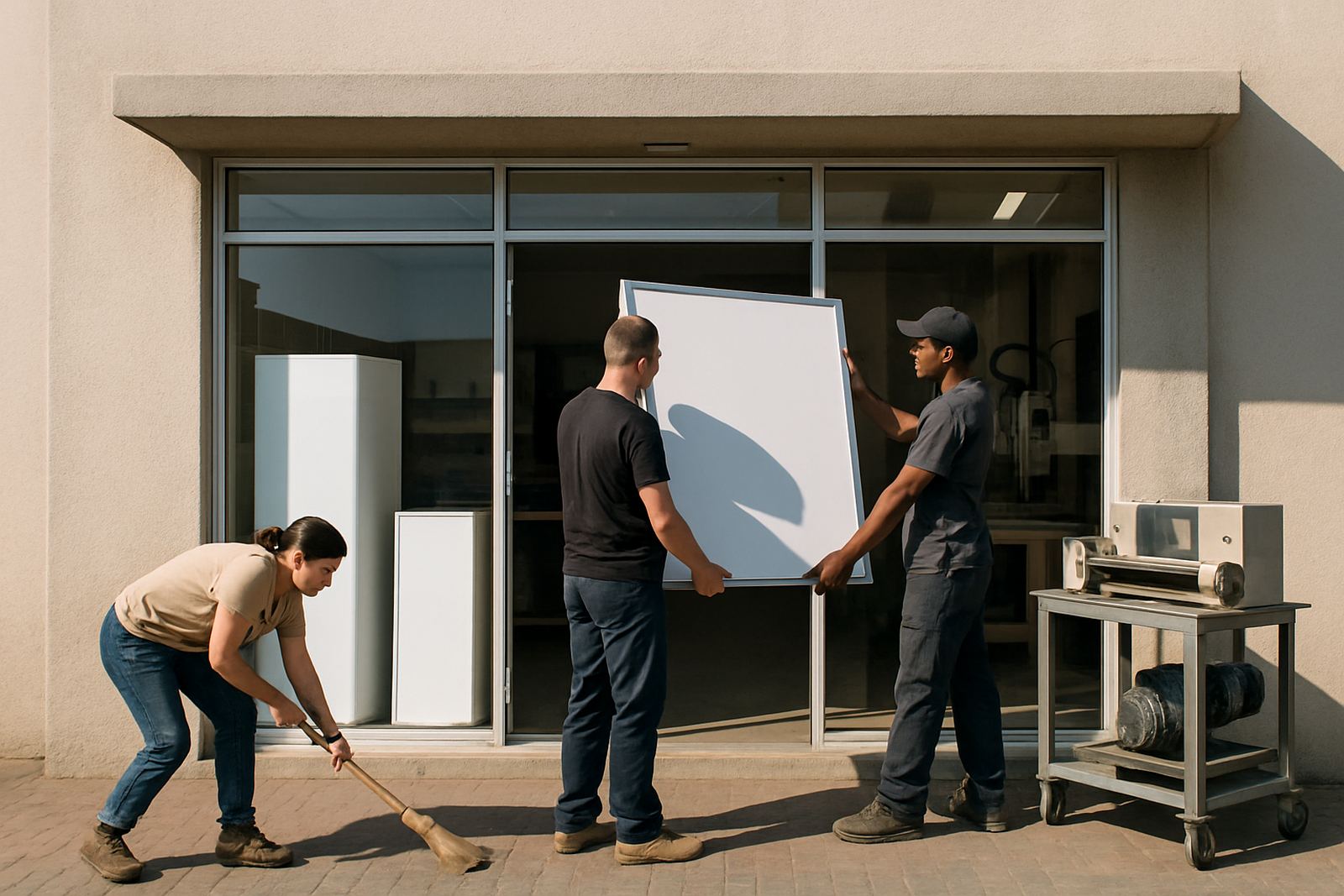
We measure, plan and fit with the vehicle in mind so the final result suits daily use and not just the photo. That includes checking clearance for handles, tow bars, ladder racks and toolbox fittings.
Budget ranges for wraps, magnetic signs and trailer work
Fleet costs depend on the size of the vehicle, the amount of coverage and whether the artwork is simple vinyl lettering or a more detailed printed wrap. For budgeting, it helps to think in levels rather than one fixed price. That way you can choose a package that suits the business without under-ordering and having to redo the whole fleet a month later.
As a general working guide, magnetic signs for a single vehicle is quoted per pair, depending on size and finish. Cut vinyl lettering and logos for a bakkie or small van can be quoted per job. Partial wrap work often falls a quoted price per vehicle, while larger or more detailed full wraps can move is quoted per job, depending on coverage and panel complexity. Trailer branding and custom panel work is quoted per job, depending on the size and surface condition. Ask for a quote
If your fleet is being rolled out in stages, it is often cheaper to standardise the design first and then fit vehicles in batches. That also keeps colour matching and numbering consistent across the fleet, especially if some units are newer than others or have been repaired after an accident. We can also advise on maintenance so your signs last longer and stay presentable between services.
What to bring when you want a fleet quote
To quote accurately, we need the vehicle type, quantity and the kind of finish you want. If you already have artwork, bring the files in a usable format. If not, clear photos of each vehicle from both sides, front and rear help us plan the layout and point out any restrictions before production starts.
It also helps to tell us where the vehicles are kept, how often they are washed and whether the branding needs to be removable. For businesses working across Table View, Parklands, Durbanville, Montague Gardens and Paarden Eiland, the operating pattern can differ from one branch to the next. A vehicle doing site visits every day needs a different material choice from one that only does local deliveries once a week.
Most fleet branding enquiries start on our contact page with the vehicle details and the type of marking needed. From there we can discuss the vehicle list, the route the fleet travels and the most practical mix of wraps, magnets and trailer branding for the job.
Keeping a mixed fleet looking consistent
When a business runs bakkies, panel vans and trailers together, consistency is often the hard part. Different body styles change how logos sit, so the answer is not to force every vehicle into the same layout. The better approach is to keep the core identity the same and adjust the placement for each unit. That way the fleet still looks coordinated, even if the sides and rear doors differ.
We pay attention to line weight, font size, panel breaks and placement around handles or service lids. Small changes make a big difference once the vehicle is on the road and seen from behind another car. A clean fleet also signals that the business pays attention to detail, which helps when clients are choosing between multiple contractors for the same site.
If you are changing the fleet over time, it is worth setting one standard specification for all new units. That saves money later and keeps the brand readable across the whole operation. It also makes future repairs easier when one panel or magnet needs replacing after a knock or a long coastal stretch.