Signs That Keep Stock Moving and People Out of Trouble
In a working warehouse, good signage is not decoration. It tells staff where to receive, where to pick, where to stack, and where not to walk. It also helps visitors, drivers and contractors find the right door the first time, which saves time at the gate and cuts down on radio calls to the floor.
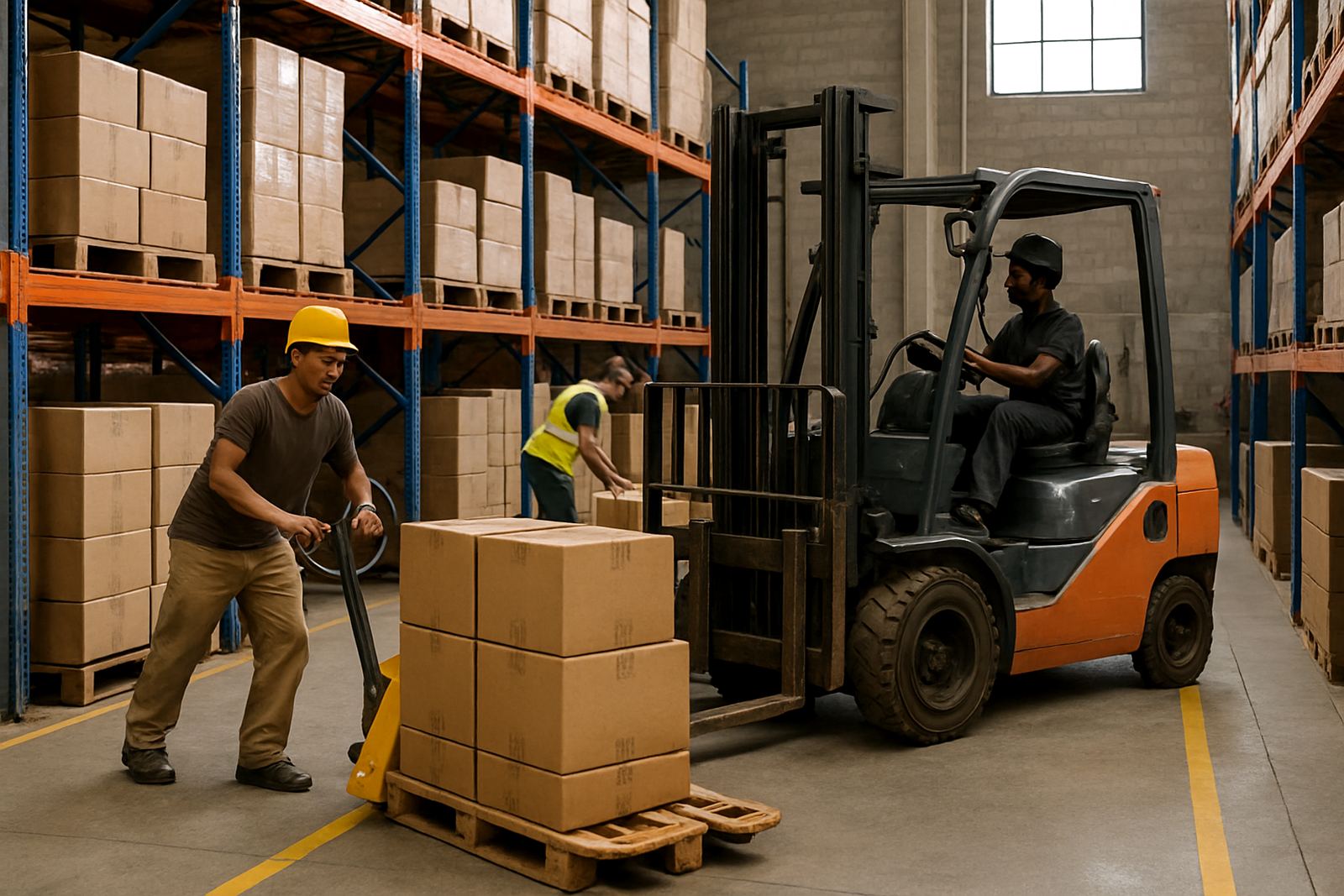
We supply signs for busy warehouse sites in Table View, Blouberg, Parklands, Milnerton, Durbanville, Montague Gardens and Paarden Eiland. That can include safety boards at entrances, bay markers above racking, aisle direction signs, loading bay notices, floor rules, emergency exits and equipment warning signs. If your site has forklifts, pallet jacks, racking, cold rooms or dispatch lanes, the sign plan should match the actual movement on site, not just what looks neat on paper.
For warehouse teams working through load-shedding, we also build signs that stay readable in low light, near roller doors and around battery charging points where people need clear instructions fast.
Typical Warehouse Setups We Work On
Every site has a different flow, but most warehouse jobs come down to a few practical items. The aim is to make the operation easier to run from day one and easier to keep in order after a month or two of use.
- Bay markers for racking rows and bin positions
- Directional signs for receiving, dispatch and returns
- Safety boards for PPE, no smoking, no entry and speed limits
- Wall mounted notices for fire exits, muster points and emergency equipment
- Floor and aisle identification for forklifts and pedestrian routes
- Wear parts and cut to size plastic pieces for guides, covers, guards and protection strips
We also do light boxes where a warehouse needs a brighter sign at the road or at a main gate. If the site has steelwork, roller shutter doors or exposed mounting points, we can manufacture the sign to suit the structure and fit it properly. In a humid coastal area, fixings and material choice matter because cheaper options start looking tired very quickly.
Layout Advice Before You Order Anything
The best warehouse signage starts with a quick walk through the site. We look at where people enter, where stock comes in, where forklifts cross paths and where visitors might get confused. A lot of sign problems come from ordering before the layout is settled, then moving racking or changing bay numbers later. That means the signs are wrong by the time they are installed.
A simple plan should show the main flow from receiving to put-away, then picking to dispatch. It should mark pedestrian routes clearly and keep them away from turning points, blind corners and dock edges. If your warehouse uses numbered racks, shelves or bins, keep the numbering consistent across the building. If there are multiple zones, use colours or codes that staff can read quickly. Clarity is more useful than fancy graphics, and less likely to cause confusion on a night shift.
We can also machine plastic tags, stencils and fixed labels for repeated use on trays, parts bins and storage locations. That is useful when a warehouse changes stock often and needs the identification to hold up under handling and cleaning.
Where Warehouse Jobs Go Wrong
Most problems come from trying to save a bit at the start and then spending more later to replace the wrong items. The common mistakes are easy to spot once you have seen a few sites.
- Using indoor signs where the area has dust, moisture or sunlight
- Choosing small lettering that drivers cannot read from the cab
- Mounting signs too high, too low or behind racking
- Leaving out pedestrian routes and emergency directions
- Forgetting to match bay numbers with the stock control system
- Using weak fixings on steel, concrete or outside walls
Another common issue is ordering safety signs without checking municipal or site specific rules, especially where fire exits, access roads or loading points are involved. A warehouse may also need different sign types for office areas, production areas and yard space. What works in the clean packing zone wont survive in the dispatch yard for long.
Engineering Plastics for Wear Parts and Site Protection
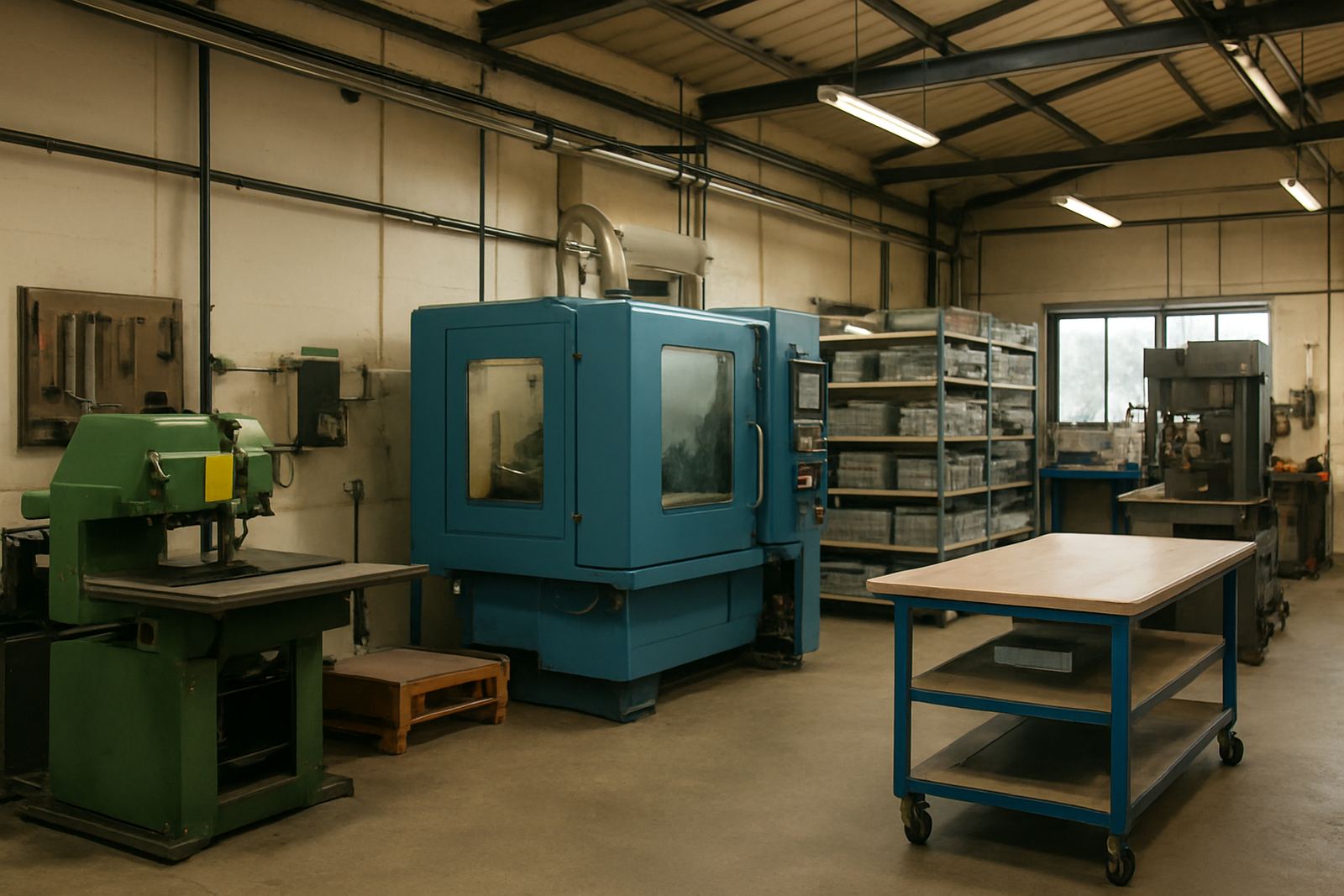
We do more than signs. Many warehouses also need cut to size plastics, CNC routed parts and simple wear items that protect expensive equipment from scuffing and impact. These pieces might look small, but they save money by reducing damage on moving stock and repeated contact points.
Common requests include guides for conveyor sections, covers for sharp edges, machine guards, corner protection, spacer plates, labels, templates and replacement panels. We machine engineering plastics for a neat fit, which is useful where the part has to match an existing frame or opening. On some sites the part is there to prevent wear, on others it is there to keep the operation tidy and easier to clean.
We can also engrave plastic identification plates for machine zones, switch positions and maintenance points. That helps with daily use and with handovers when a new shift comes in.
Budget Ranges for Warehouse Signage in Rand
Warehouse budgets vary depending on size, material, mounting and how much of the site needs to be covered. A small job with a few safety boards and directional signs may be quoted per job. A medium warehouse with bay markers, wall signs, floor identification and a few custom pieces often falls a quoted price. Larger sites with multiple zones, fitted light boxes, external gate signs and machined plastic parts can be quoted per job or higher. Ask for a quote
Installation matters as much as manufacture. If the site is active during the day, we plan around forklifts, dispatch windows and safe access. That can affect labour time and therefore the final figure. We can quote for supply only or supply and install, depending on what the client needs. Where a site is in a coastal area and signs face weather, it is worth spending a little more on proper material and fixings instead of replacing panels after the first winter.
For warehouse teams that want to stage the work, we can split it into phases. Start with the critical safety signs, then add bay markers and route signs, then finish with branded or custom items once the layout has settled.