Engraving for equipment, labels and site identification
Our engraving service is used where printed stickers wear out, lift at the edges or fade in the sun. We cut permanent information into suitable sheet material or metal-faced blanks for item labels, panel markings, asset numbers, instruction plates and safety notices. That makes it easier to keep workshops organised, support maintenance checks and show clear directions on equipment that is handled often.
We work for factories, offices, warehouses, workshops and body corporates that need sensible identification rather than decorative lettering. In coastal areas such as Blouberg and Milnerton, moisture and salt in the air can shorten the life of low grade labels, so we guide clients towards materials that hold up better in humid conditions. If the plate is going outdoors or near a wash bay, we look at thickness, fixing method and the amount of wear it will see.
- Machine tags and serial plates
- Valve, pipe and cable identification
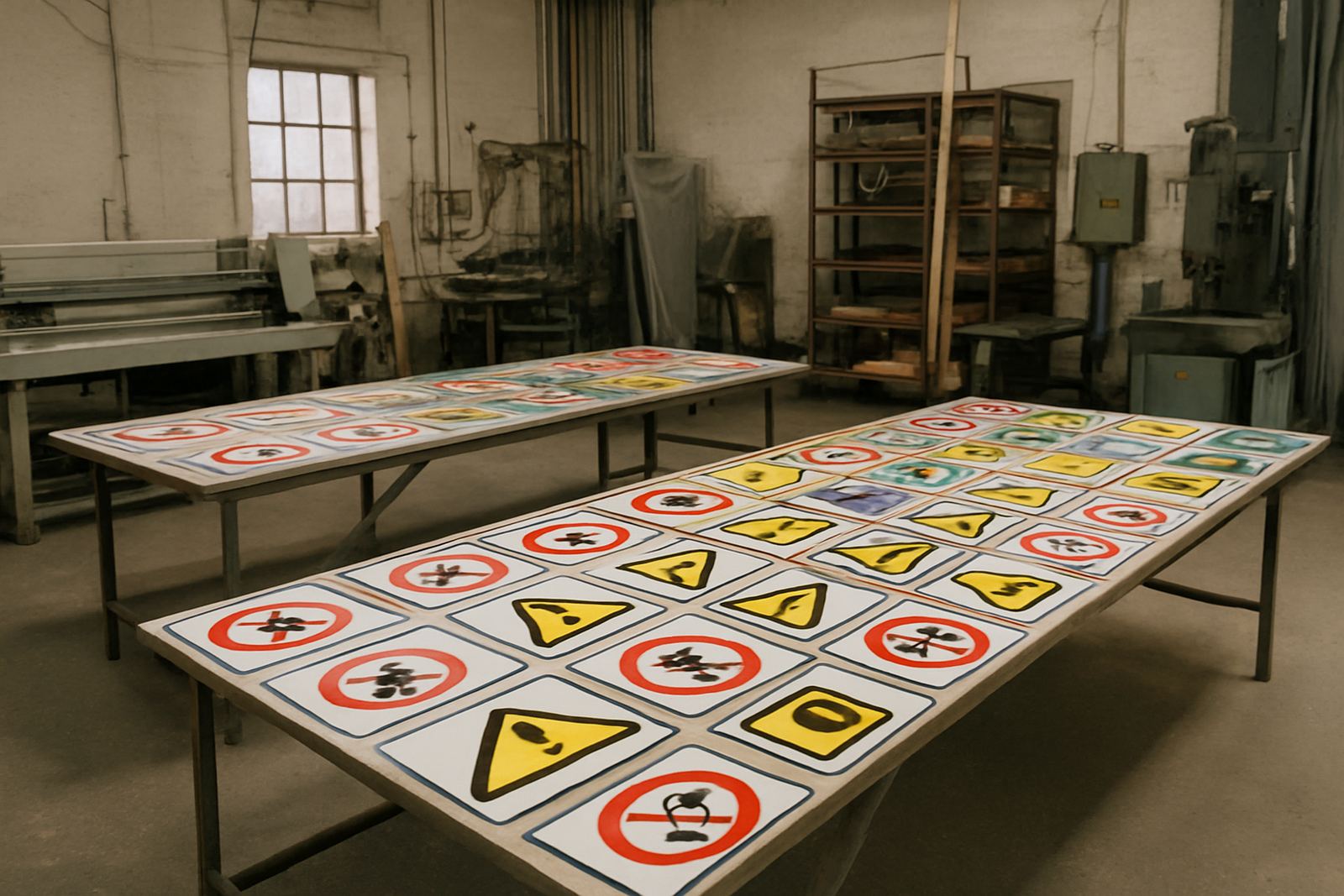
- Warning and instruction plates
- Asset tags for tools, racks and plant
- Panel labels and switch markings
Materials, sizes and finish options
We supply engraved items in practical sizes, from small 20 x 10 mm labels to larger 300 x 200 mm plates and beyond where the job calls for it. Common material choices include plastic engraving sheet, laminated two layer sheet, anodised aluminium, brushed aluminium look sheet and special cut blanks for industrial use. For outdoor exposure we recommend a thicker material and proper fixing so the plate stays flat and readable.
Letter height depends on viewing distance. Fine serial details can be cut small for close inspection, while plant room labels and safety messages need larger text for quick reading from a metre or two away. We can add logos, borders, numbering, QR codes for records and simple symbols where required. If a site has low light or dusty conditions, we keep the layout clean so the message is not lost.
- Thicknesses commonly from 1.6 mm to 3 mm, with heavier options on request
- Black on white, white on black, silver, blue and other standard contrasts
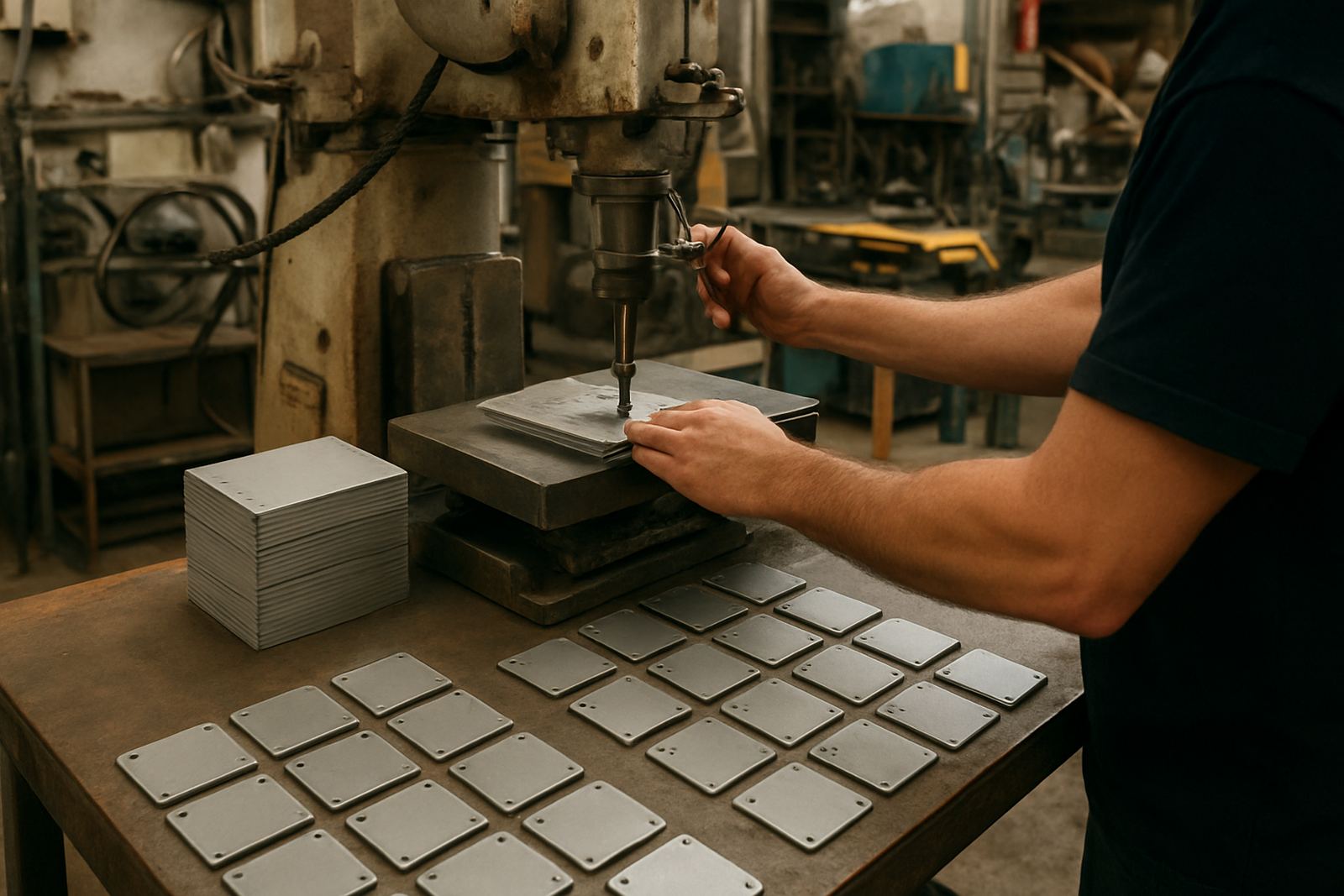
- Rounded corners, drilled holes or adhesive backing
- Single plates, batch runs and repeated numbering
How we handle an engraving order
We start with the wording, quantities and intended use. From there we confirm the size, material, fixing method and any special marking requirements such as numbering or consecutive asset codes. If the client already has a template, we work from that. If not, we set out the text clearly so it is easy to approve before cutting begins.
The workshop then prepares the material, sets the machine and checks spacing, line weight and depth. For repeat orders, we keep the details on file so replacement labels can be produced faster. Where a job forms part of a larger signage or equipment marking package, our team can coordinate engraving alongside cut to size plastics, sign making or installation. That keeps the finish consistent across the site and avoids mix ups on delivery day.
- Enquiry and specification review
- Layout check and wording confirmation
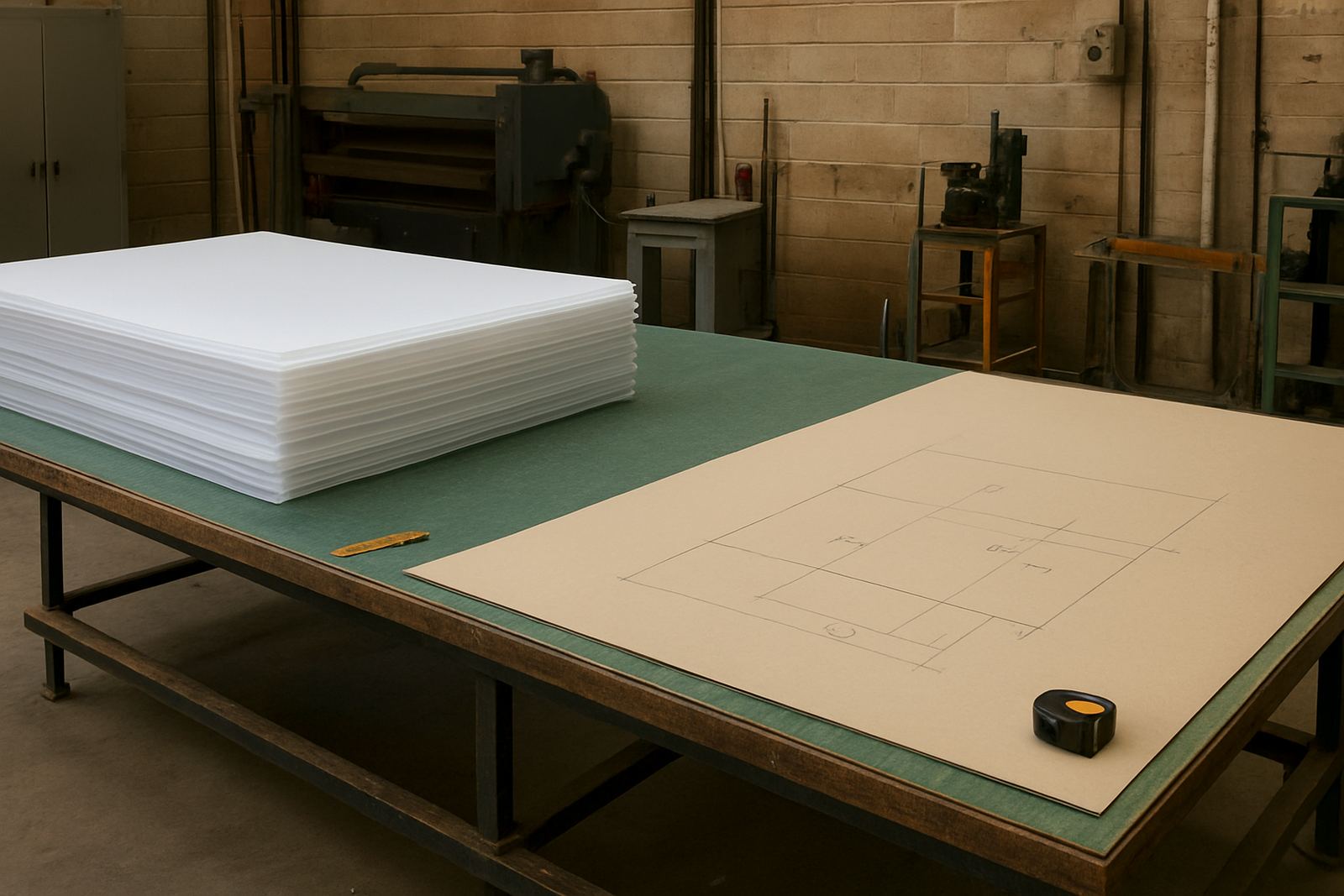
- Material selection and cutting
- Engraving, cleaning and final inspection
- Collection or delivery by arrangement
Turnaround times for urgent and standard work
Small engraving jobs can often be turned around quickly if the wording is straightforward and the material is in stock. Larger batches, detailed numbering or special fixing arrangements take longer, especially when the order needs matching plates for different machines or departments. We keep timing realistic rather than promise rushed work that risks a bad finish.
As a guide, straightforward engraved label work is usually simpler than larger runs or custom material orders, which depend on quantity and workshop load. If the client is dealing with a shutdown, audit or new site handover, tell us upfront so we can plan the sequence. In load shedding periods we also allow for power interruptions and schedule the job to reduce delays.
- Small repeat labels: usually a few working days
- Medium batches: allow extra time for layout and production
- Custom sizes or drilled plates: confirm lead time before ordering
- Urgent site work: subject to workshop capacity
Pricing that depends on material, size and quantity
Our pricing is based on the size of each item, the material selected, engraving detail, quantity and whether there is drilling, rounded corners or special numbering. A small batch of simple labels costs less per piece than a one off plate with fine text and multiple fixing holes. For bigger orders, unit pricing improves because the setup work is spread across more items.
We quote clearly so clients know what they are paying for. If a business needs several matching plates for a plant room, warehouse racking or office block, we can price the full set together. This usually works better than ordering single items one by one. For ongoing maintenance contracts or repeat replacement labels, we can also look at a standing order format so future reprints stay consistent and the admin is lighter.
- Size, material and finish affect the final cost
- Batch orders usually give better value per item
- Drilling and special numbering are priced into the quote
- Replacement plates are easier when the previous details are on file
Keeping engraved plates readable over time
Engraved items last well, but they still benefit from practical care. On outdoor sites, wipe the surface with a damp cloth now and then to remove dust, salt and chemical residue. In workshops and plant areas, inspect plates during routine service checks so damaged fixings or faded surrounding surfaces do not hide the message. If a label has been exposed to heat, abrasion or strong cleaners, replace it before it becomes hard to read.
For machinery and access areas, we recommend checking engraved identification at least once a year. In busy environments or coastal locations, six monthly checks can be a better choice. If a label is scratched, bent or pulled loose, send us the wording and we can remake the part with the same format. Our team works from Table View and supports clients across Blouberg, Parklands, Durbanville, Montague Gardens, Paarden Eiland and central Cape Town.
- Wipe down during routine cleaning
- Inspect fixings every 6 to 12 months
- Replace damaged plates before text becomes unclear
- Keep a record of sizes and wording for future reorders
Who handles your engraving work
Blouberg Signz & Engineering handles identification work with a team that understands the practical side of signs, labels and engraved parts. Johan Petrus van der Merwe oversees the business, with Amogelang Sebola managing operations, Willem Smit supervising the workshop and Musa Dlamini handling CNC work for detailed cutting. Leanne Jacobs coordinates signage orders and Zelda Kruger handles client service, so enquiries are managed by people who know the product and the process.
That matters when a site needs labels that match existing plates, or when a manager wants clear marking for a new machine area without wasted time. If you need engraved plates, labels or machine tags for a single site or multiple branches, send the wording and quantities through our contact page enquiry form. We will come back with the right material options, a practical lead time and a quotation that fits the job.
Key facts
| Material options | Plastic engraving sheet, laminated sheet, anodised aluminium and cut blanks |
|---|---|
| Typical sizes | From 20 x 10 mm labels up to 300 x 200 mm plates and larger |
| Thickness range | Usually 1.6 mm to 3 mm, with heavier options available |
| Fixing methods | Drilled holes, rounded corners or adhesive backing |
| Common uses | Machine tags, asset labels, warning plates, panel markings and instructions |
| Area served | Table View, Milnerton, Blouberg, Parklands, Durbanville, Montague Gardens, Paarden Eiland and Cape Town |