
What plastic shims do on site and in the workshop
Plastic shims are thin, durable spacers used where a small, consistent gap makes all the difference. They help with levelling, alignment, packing out brackets, correcting uneven mounting points and setting up machines or frames before final fixing. In a busy workshop or installation site, they are often the difference between a quick adjustment and a repeat call-out.
We cut shims from engineering plastics that hold their shape well under normal workshop conditions. They are useful where metal packing would be too hard, too noisy, or likely to mark a surface. For outdoor and coastal work around Table View, Blouberg and Milnerton, plastic also handles moisture better than many timber off-cuts and does not rust. That matters when fittings are exposed to sea air, wash-downs or early morning condensation.
Our shim stock is supplied cut-to-size, so you are not paying for waste or trying to trim small pieces on site with a hacksaw. If you need a repeat size for a machine bed, sign frame, gate post or cladding support, we can prepare it to suit the job.
Sizes, thicknesses and material options we cut
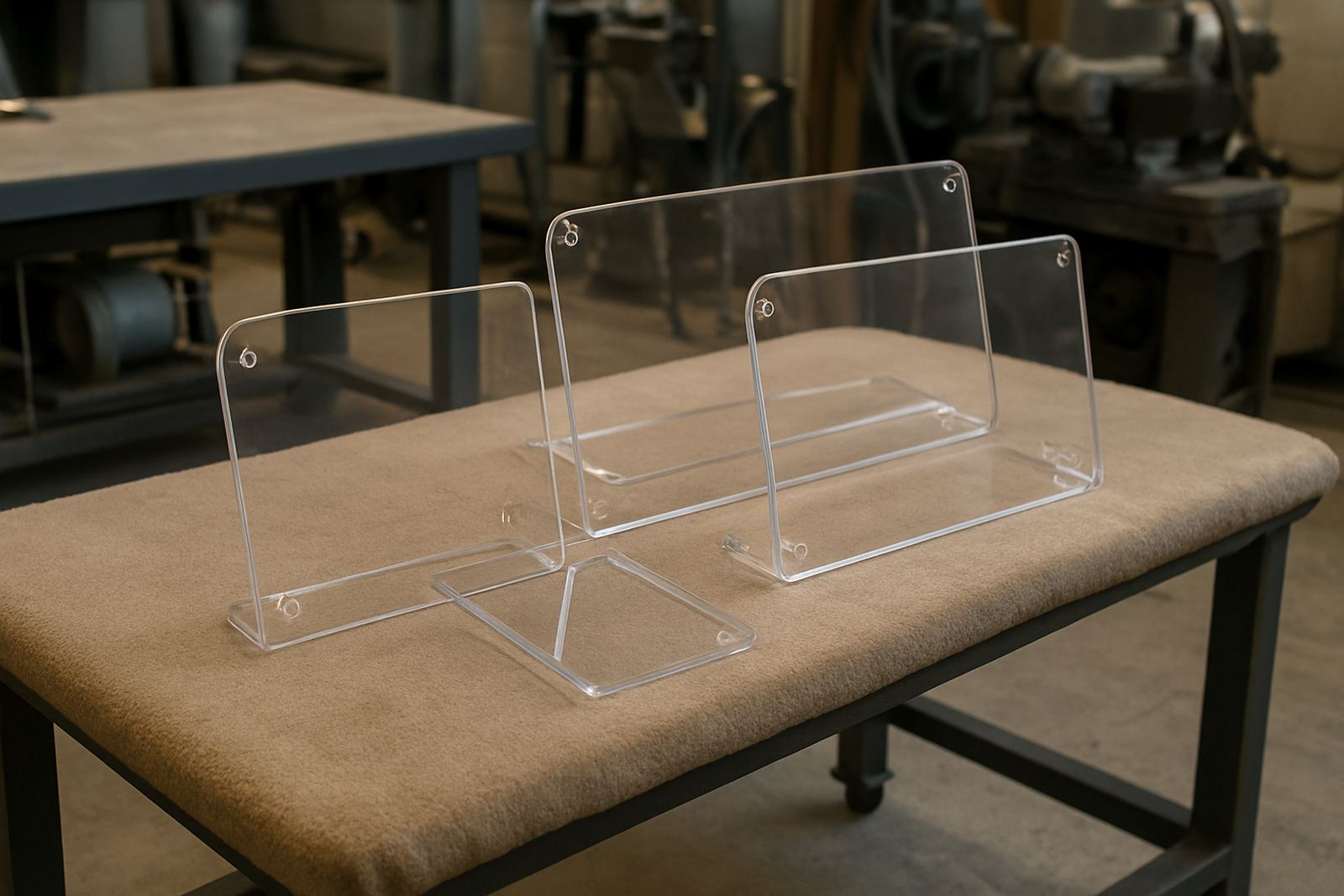
Plastic shims can be supplied as strips, squares, packs or shaped pieces depending on how they will be used. We machine to your required thickness and footprint, with clean edges and accurate dimensions for dependable packing.
- Thicknesses from 1 mm to 25 mm, with stepped packs available on request
- Sheet sizes commonly cut from 300 mm x 300 mm up to 1220 mm x 2440 mm stock
- Custom widths and lengths for machine feet, base plates and structural spacers
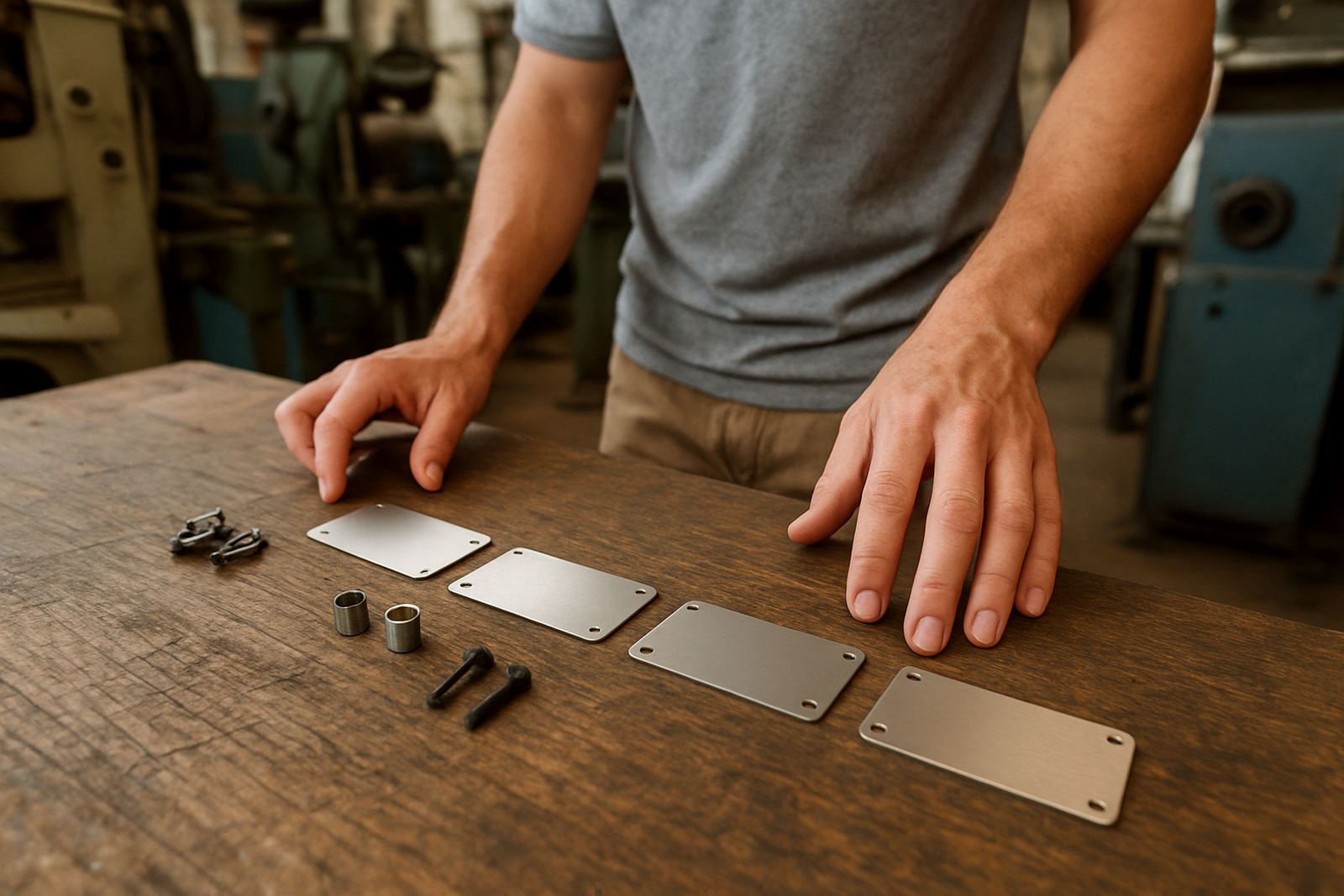
- Pre-drilled holes or slots where bolt clearance is needed
- Materials selected for indoor use, damp areas, and outdoor exposure
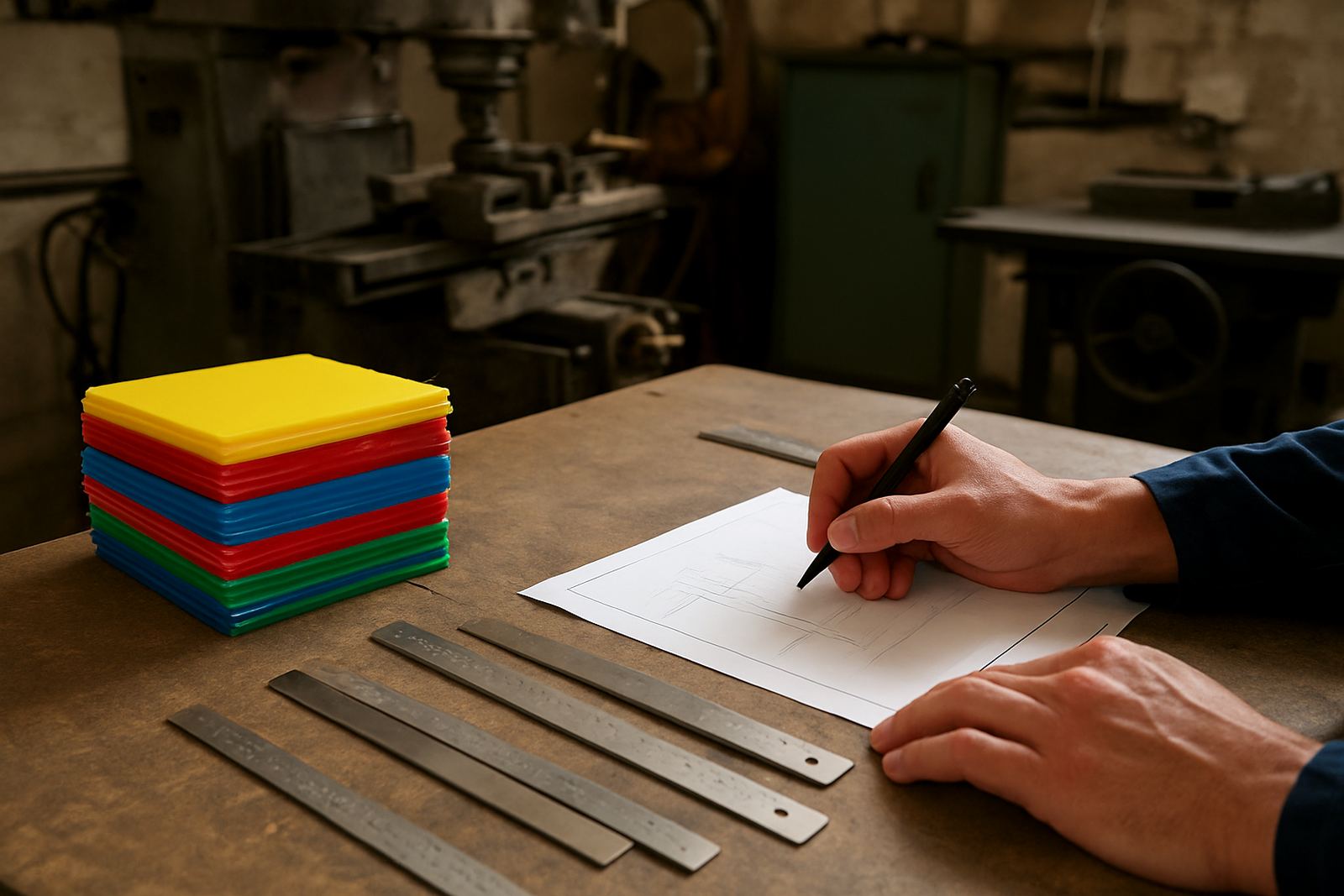
- Colour options available for easy sorting on site
For most alignment jobs we keep the profile simple, square or rectangular so the shim sits flat and does not creep out of position. Where you need a shaped piece, we can route it on CNC equipment to match the part exactly. That is useful for odd brackets, curved supports and repeat-fit maintenance work.
If your team prefers mixed packs, we can supply a set of sizes in one bag or box so the right thickness is close at hand when setting up equipment.
Where plastic shims are a practical fit
Plastic shims suit a wide range of light industrial, maintenance and installation tasks. They are often used by fitters, sign installers, fabricators and machine technicians who need repeatable spacing without damaging surrounding parts. In coastal and urban areas around Cape Town, they are also handy where damp, dust and vibration are part of the normal working environment.
- Levelling sign frames and support brackets
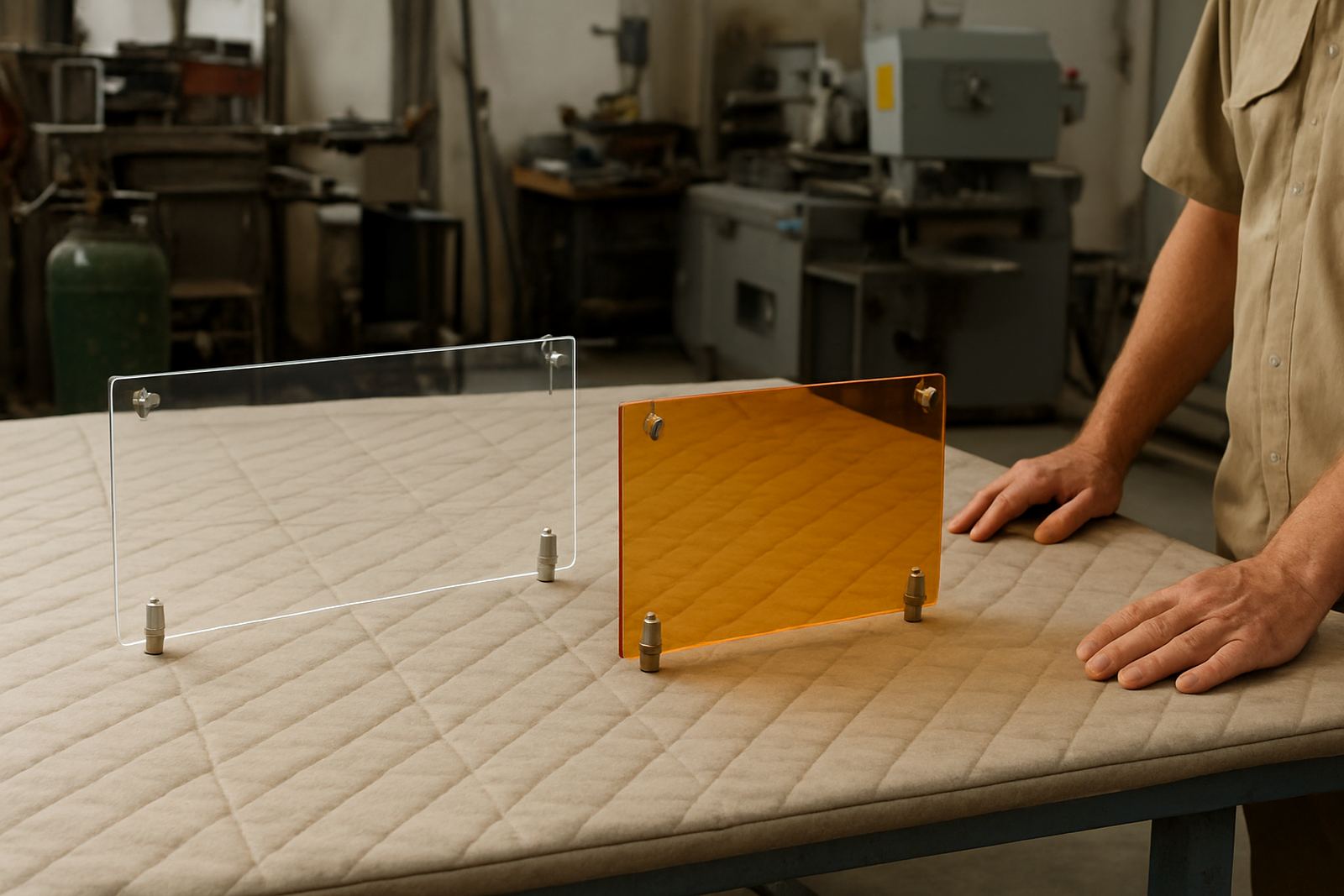
- Spacing cladding, panels and covers during installation
- Aligning gates, rails, hinges and fabricated assemblies
- Setting machine feet and base plates on uneven floors
- Correcting small gaps during maintenance and re-assembly
- Separating surfaces to allow airflow or drainage
They are not only for heavy industry. Plastic shims are also useful for builders, shopfitters and maintenance contractors who need neat, exact packing in a clean finish. Because they are cut accurately, they reduce the trial-and-error that often happens with improvised packing materials.
How we cut, label and prepare shim packs
We use CNC routing and workshop cutting methods to prepare shims to size, which gives you consistent edges and reliable repeatability. If the job calls for slots, holes, radiused corners or a special outline, we can machine those into the part before collection or delivery. This is helpful when the shim needs to sit around bolts, studs or uneven castings.
For project work, we can label packs by thickness or application so your crew does not waste time sorting through loose pieces. We can also nest multiple sizes from one sheet to keep costs down on larger orders. That matters when a site needs a batch of identical spacers and the parts have to be ready before a shutdown or installation window.
Because our workshop is based in Table View, we can support businesses working across Blouberg, Parklands, Milnerton, Durbanville, Montague Gardens, Paarden Eiland and greater Cape Town. Where timing is tight, local supply helps you avoid waiting for small parts to come from further inland.
Installation, power and site requirements
Plastic shims themselves need no power or gas, but the equipment they support often does. Before ordering, it helps to know whether the shim will sit under a machine, inside a housing, behind a sign bracket or between structural members. That tells us what material thickness and shape will work best, and whether the piece must resist vibration, heat or moisture.
On site, the important points are usually clean contact surfaces, correct load bearing and secure fixing. A shim should sit flat, not rock on debris or burrs, and it should not be overtightened to the point where it crushes. For outdoor use, especially near the coast, it is worth checking whether the installation will see direct sun, rain or salt spray. If it does, we will suggest a material suited to that environment.
Where electrical or gas equipment is involved, the shim must not interfere with cable runs, ventilation, burners or access panels. Always allow enough room for maintenance access and safe tightening. If the application is part of a regulated installation, the final fix should still be checked against the site requirements and municipal rules where relevant.
Plastic shim use, upkeep and checks before you order
Plastic shims are low-maintenance, but they should still be inspected if the equipment vibrates, settles or is moved often. Check for crushing, splitting, creep or wear at the edges. If a shim has lost thickness or started to deform, replace it rather than packing more pieces into the same spot. That keeps the setup predictable and avoids strain on bolts and brackets.
- Measure the actual gap, not just the nominal size
- Confirm the required thickness range and tolerance
- Tell us whether the shim will be indoors, outdoors or near moisture
- Give the hole centres, slot sizes or template if shaped pieces are needed
- State the load, vibration level and whether the part is permanent or temporary
- Let us know if you need single pieces, packs or repeated sets for future jobs
When ordering, it helps to send photographs and a rough sketch with measurements. If the part is being replaced, a sample is even better. That lets us match the footprint and avoid guesswork, which saves time on the floor and keeps the job moving. For businesses that buy these parts regularly, we can keep the sizes consistent so your team gets the same result each time.
Clients can send enquiries through the contact page and our team will help with the right size, material and cut list for the job.
Local supply for workshops, installers and maintenance teams
Blouberg Signz & Engineering runs a Cape Town workshop for signage, CNC work and cut-to-size plastic parts. That mix means we understand both the precision side and the practical side of the job. If a shim needs to fit a bracket, panel or machine base, it has to arrive ready for use, not needing extra trimming on site.
Our team includes a managing director, operations, workshop, CNC and client service staff who handle orders from first measurement through to final cut. Whether you are setting up equipment in Montague Gardens, replacing spacers in Durbanville or fitting out a site in Blouberg, we can prepare the parts to suit the task. Small parts are often the ones that hold the whole job together, so it pays to get them right the first time.
Key facts
| Product type | Cut-to-size plastic shims for alignment, spacing and machine setup |
|---|---|
| Thickness range | 1 mm to 25 mm, with stepped packs on request |
| Typical sheet size | 300 mm x 300 mm up to 1220 mm x 2440 mm stock |
| Cutting method | CNC routing and workshop cutting for clean, accurate edges |
| Finish options | Square, rectangular, slotted, drilled or shaped to template |
| Use areas | Indoor, damp area and outdoor applications, including coastal sites |