Why Coastal Air Changes the Job
Along the west coast, signage is exposed to salt, wind, UV and fine sand in a way that inland signs simply are not. Even when a sign is under a shop canopy, moisture from the sea and wind driven salt can work into joints, fixings and edges. In places like Table View, Blouberg, Parklands and Milnerton, the first signs of trouble are often brown rust spots, fading print, swollen edges or a light box that starts letting water in after a storm.
For business owners, this is not only a maintenance issue. A damaged sign changes how customers read your premises. A faded pylon or a peeling shopfront panel can make a business look tired, even when the service is good. That is why coastal signage needs to be planned with the environment in mind, not only the artwork and size.
Materials That Hold Up Near the Ocean
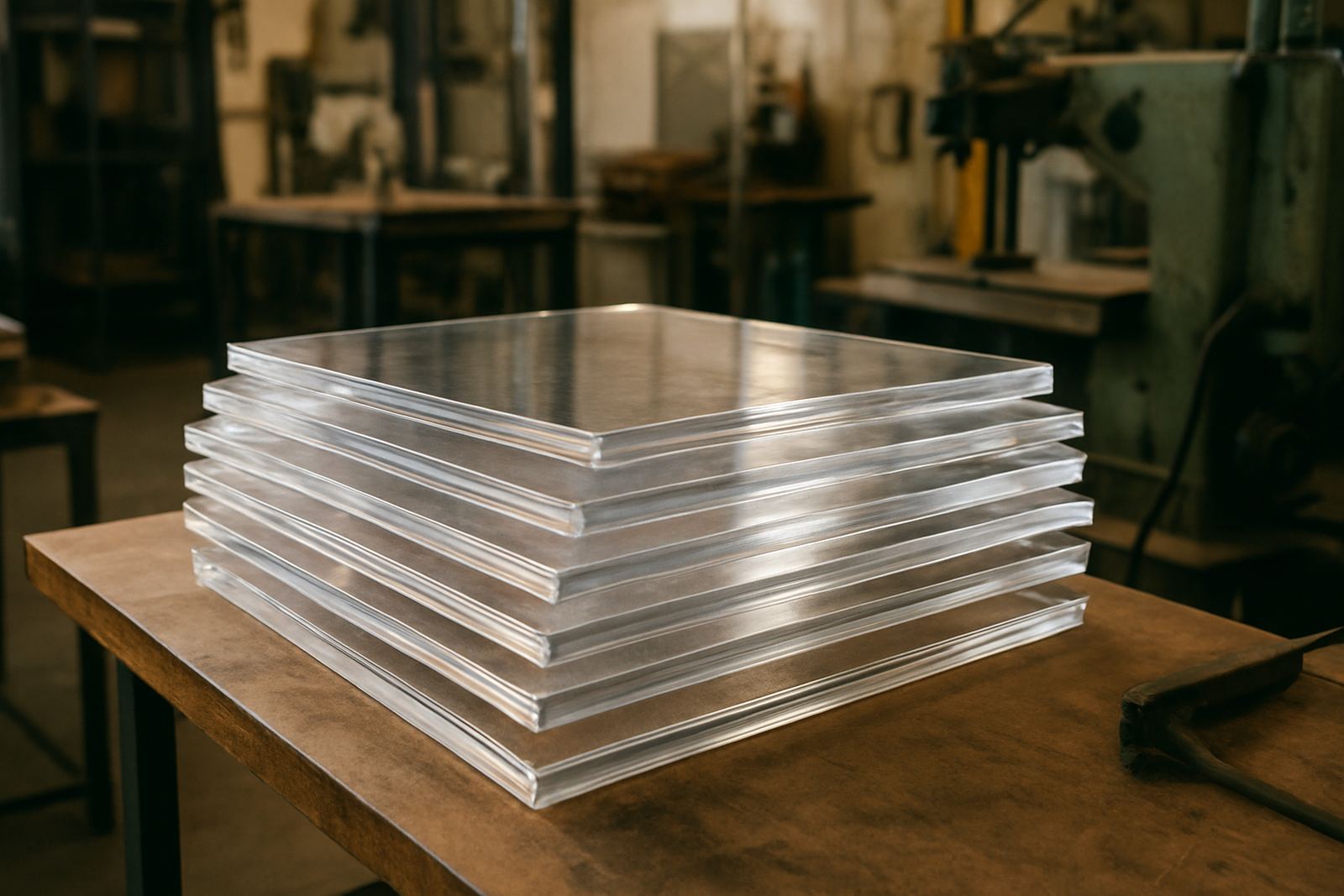
Choosing the right base material matters more than adding a coat of paint later. In salty air, the wrong substrate can corrode, warp or crack long before the face of the sign wears out. For many applications, engineering plastics, properly sealed aluminium sections and correct fasteners give better service life than untreated steel or low grade board.
- Use corrosion resistant fixings for brackets, posts and wall mounts.
- Seal cut edges on panels and plastic components to reduce moisture ingress.
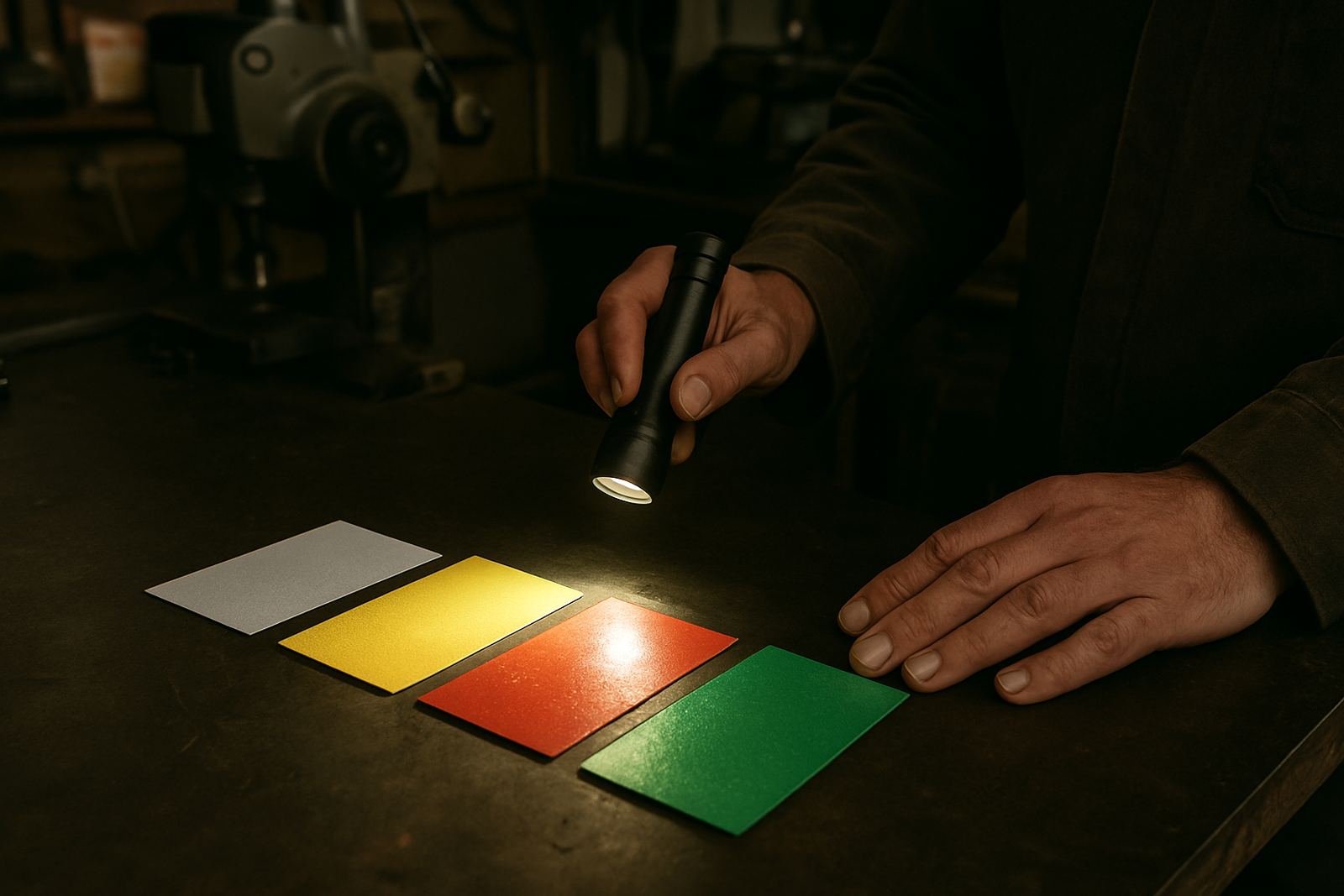
- Choose UV stable faces for full sun exposure, especially on west facing walls.
- Avoid mixed metals where possible, because galvanic reaction can speed up corrosion.
- Allow for drainage and ventilation in enclosed light boxes so condensation does not collect inside.
At Blouberg Signz & Engineering, we often recommend a material mix rather than a single solution. A shopfront sign facing the coastal wind may need one set of materials, while an indoor directory or safety sign can use a lighter specification. That saves cost without compromising durability.
Fixings, Frames and the Small Details That Fail First
Many sign problems begin at the fixing points. A strong face panel means very little if the screws, frames or support brackets are not suited to the conditions. In coastal areas, even small rust lines can spread quickly, especially on white or light coloured signage where staining shows up fast.
Workshop quality matters here. Clean cuts, accurate holes and properly prepared edges help reduce stress on the materials. A neat installation also helps, because sloppy drilling or over tightened screws can crack plastics and let water in. For sign maintenance, we often find the issue is not the printed face but the hardware behind it.
- Check for rust around screw heads, bracket joints and base plates after heavy rain.
- Inspect silicone seals for lifting or cracking around light boxes and panel edges.
- Look for signs of movement after strong south easterly winds.
- Replace damaged fasteners early, before they stain the face or strip out the substrate.
Vehicle Branding and Mobile Exposure in Coastal Towns
Vehicles spend long hours on the road, parked in open areas and working close to the beach or harbour, so vehicle branding also needs coastal care. Salt spray, sun and frequent washing can wear down films and graphics faster than many clients expect. If the vehicle is used in Blouberg, Paarden Eiland, Montague Gardens or around Cape Town roads near the coast, the material and install method should be selected with that travel pattern in mind.
Good preparation is essential. The surface should be clean, dry and free of residue before branding goes on. Edges need proper finishing so they do not start lifting after a few months. On commercial vehicles, we advise clients to think about door handles, curves, fuel caps and panel gaps, because these areas are where wear starts first. A small mistake there can shorten the life of the whole wrap, and it usually shows before the rest of the graphics fail.
A Local Example From a Sea-Facing Site
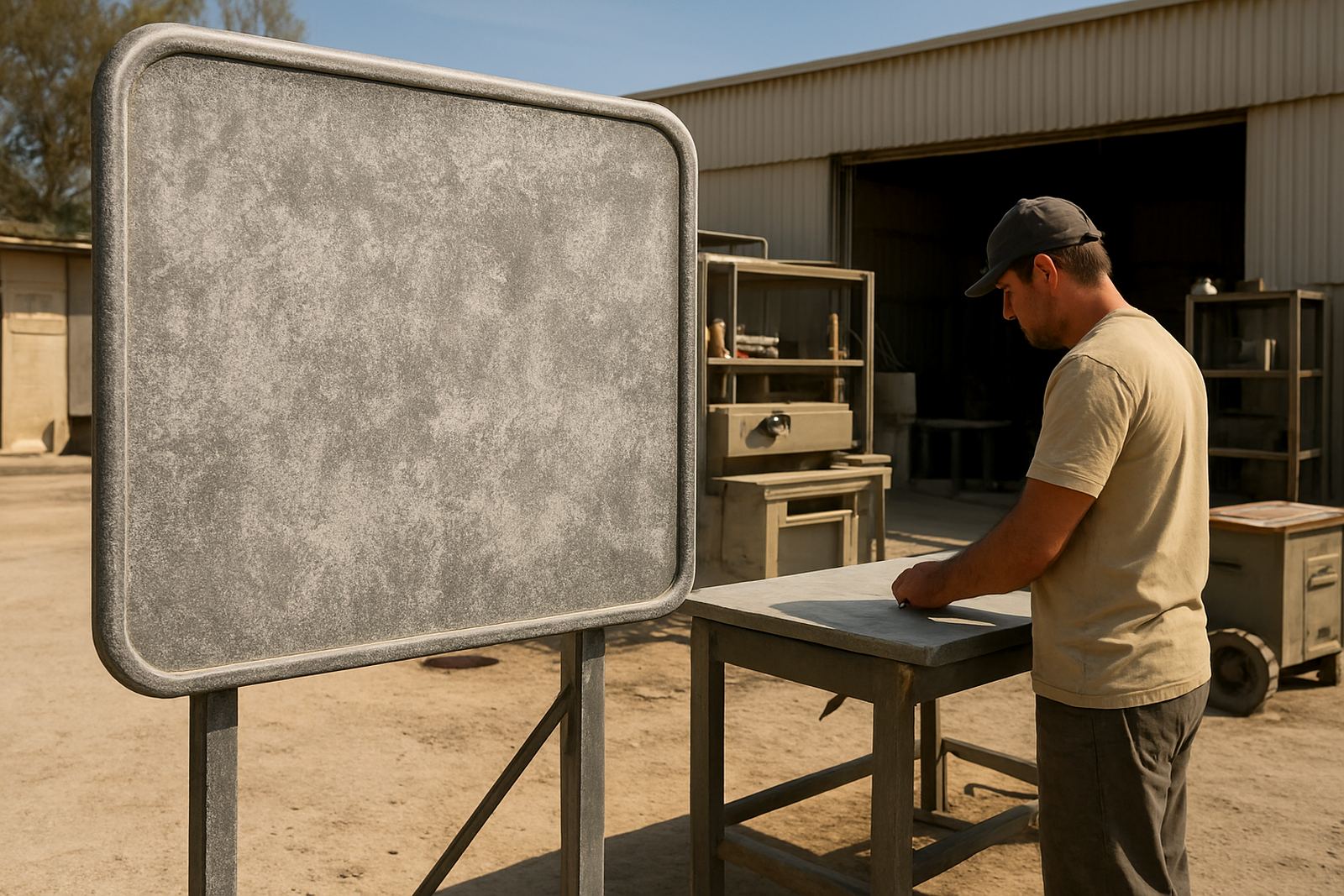
A small retail site in Table View came to us after its previous shop sign had started rusting along the bottom edge and the lettering had faded unevenly. The site was only a few streets from the beachfront, and the sign faced the wind that comes through hard in winter. The original construction used ordinary steel fixings and a panel that had not been properly sealed at the edges.
We replaced it with a better suited structure, used corrosion resistant hardware and reworked the panel so water could not sit in the frame. The new sign was also designed for easier maintenance, which helps when load-shedding and after-hours access make quick repairs difficult. Since then, the client has had far less trouble, and the face still reads clearly from the road. It sounds simple, but that is often the point: good material choices save time, money and repeat callouts.
- Match the sign specification to the exact exposure level of the site.
- Plan for winter rain, coastal salt and strong wind, not just fair weather.
- Build in future maintenance access so repairs do not become a major shutdown.
Planning for Signage That Lasts in Blouberg and Beyond
Durable coastal signage is not about overspending. It is about using the right materials where they count, then making sure the manufacture and installation are done properly. For businesses in Blouberg, Table View, Milnerton, Parklands, Durbanville and central Cape Town, that means thinking about salt exposure, sun, cleaning routines and the type of building the sign will sit on.
Our workshop in Table View handles signage manufacture and installation, safety signage, light box fabrication, vehicle branding, sandblasting, CNC routing, plastic machining, cut to size plastics, engraving and sign maintenance. That combination matters because the same practical thinking used in engineering plastics and machining also helps with sign durability. When a sign is made for the local environment, it lasts longer, looks better and needs fewer repairs. If you are choosing signage for a coastal site, start with the conditions first. The design comes after that.