Where reflective vinyl earns its place
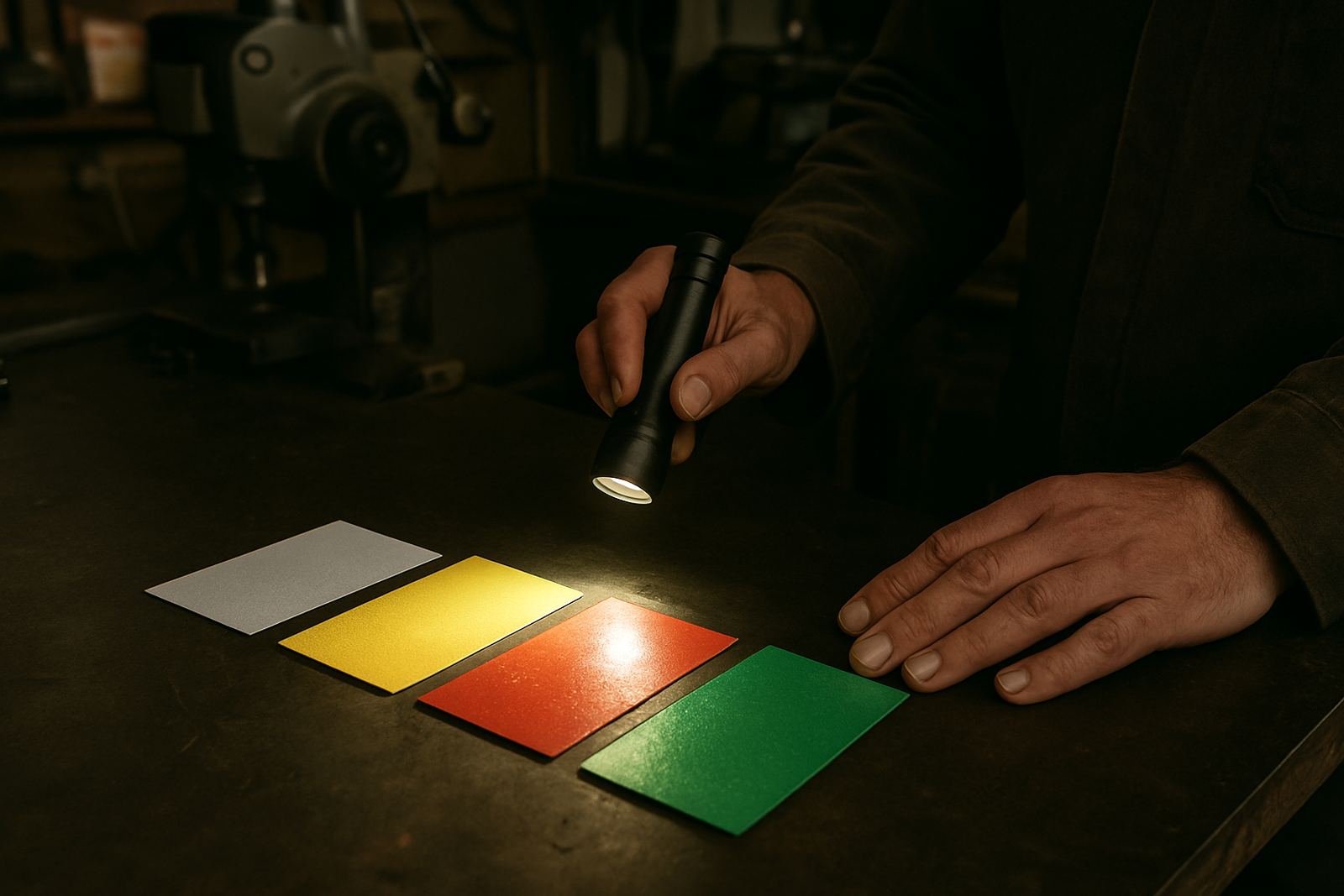
Reflective vinyl works best anywhere a person or driver needs to find something quickly in poor light. That includes vehicle markings, entrance signs, parking bays, delivery points, safety notices and access control panels. In Table View and along the busy routes into Milnerton and Montague Gardens, this extra visibility can help reduce mistakes at gates and loading areas.
It is worth using when the message must be seen from a moving vehicle or from a distance, especially at night. Reflective film does not replace good lighting, but it gives you a visible surface when lights are off, a streetlamp is blocked, or there is a power cut. On coastal sites, it is also useful where mist, sea spray and dull winter weather make ordinary prints harder to read.
For business sites, the practical choice is often a mix of standard vinyl for day-time branding and reflective sections for numbers, warnings or direction arrows. That gives you a cleaner finish than wrapping everything in reflective film, and it keeps costs under control.
Vehicle uses that make sense on local roads
On vehicles, reflective vinyl is most effective on the details that matter at a glance. Think company names on bakkies, trailer identification, fleet numbers, hazard stripes, rear warnings and contact details that need to stay visible in traffic. It helps when a vehicle is parked at a site entrance after dark or when a driver needs to reverse into a narrow yard.
For work vehicles operating in Blouberg, Parklands and across Cape Town, reflective markings are especially practical for:
- Fleet numbers and unit IDs on doors or rear panels
- Chevron strips on the back of trailers, utility vehicles and equipment covers
- Load warnings such as long load, no entry or hazardous contents
- Door names and route markings for service teams who work at night
- Temporary event or site vehicles that must be noticed quickly
Vehicle branding should still be planned with the curve of the panel, the amount of road grime expected, and how often the vehicle is washed. A reflective strip that is placed too low can pick up dust and tar quickly. A better approach is to keep it at eye level where it can be read without the panel needing constant cleaning, which saves time and keeps the vehicle looking tidy.
Signs that benefit from reflective film
Reflective vinyl is a strong option for signs that are read from a vehicle, or by people walking into a yard after sunset. Entrance signs, directional signs, warning signs and bay markers are common examples. It also works well on signs that sit under a canopy or in a shaded driveway where natural light drops early in the afternoon.
For commercial sites in Durbanville, Paarden Eiland and Montague Gardens, reflective detail can be added to cut-out letters, flat panels or mounted safety signs. It is useful for numbering workshops, identifying loading doors and marking visitor parking. In access areas, the reflective layer makes a simple instruction stand out without needing a bright light box.
Some practical sign uses include:
- Warehouse door numbers and bay markers
- Gate notices for after-hours access
- No parking, no entry and pedestrian warning signs
- Fire assembly point markers in open yards
- Directional arrows for shared sites and rental units
Reflective signs are especially helpful where the estate has rules about lighting spill or where a site is close to residential neighbours. Instead of adding more lights, you can improve visibility with the sign face itself. That is often a neat answer where municipal or estate limits are in place.
Access points, gates and boundary control
Access points are one of the best places for reflective vinyl because that is where confusion usually starts. A gate arm, keypad post, guard booth or intercom plate should be seen at once. If the entrance is shared by multiple tenants or has a turn before the gate, reflective lettering and symbols can help visitors make the correct move the first time.
In a place like Table View, where offices, workshops and storage yards often sit close together, clear marking at the entrance matters. A courier arriving after dark does not want to guess which gate is which. A delivery truck driver also needs to know where to stop, especially if there is tight turning space or a kerb near the opening. Reflective numbering on the entrance post and warning labels on the gate can make the whole site feel more organised.
Reflective film can also be used on boundary notices and security signs. That is useful if the site has after-hours rules, visitor restrictions or vehicle access limits. It is a practical layer of control, and it does not need electrical power to do its job, which is handy during load-shedding or on backup systems that are already under pressure.
Choosing the right finish for the job
Not every reflective product behaves the same. Some are better for short-range reading, while others are intended for road-style viewing at distance. The right choice depends on the surface, the message, and whether the item sits indoors or outdoors. On rough metal, powder-coated gates, plastic panels or painted steel, surface preparation is just as important as the film itself.
There are a few details to check before fitting it:
- Will the item be viewed in daylight, dark or both
- Does it need to stand up to coastal humidity and sun
- Will the surface flex, like on a vehicle panel or removable cover
- Does the sign need cutting into letters, arrows or full panels
- Will it be washed regularly with pressure or detergents
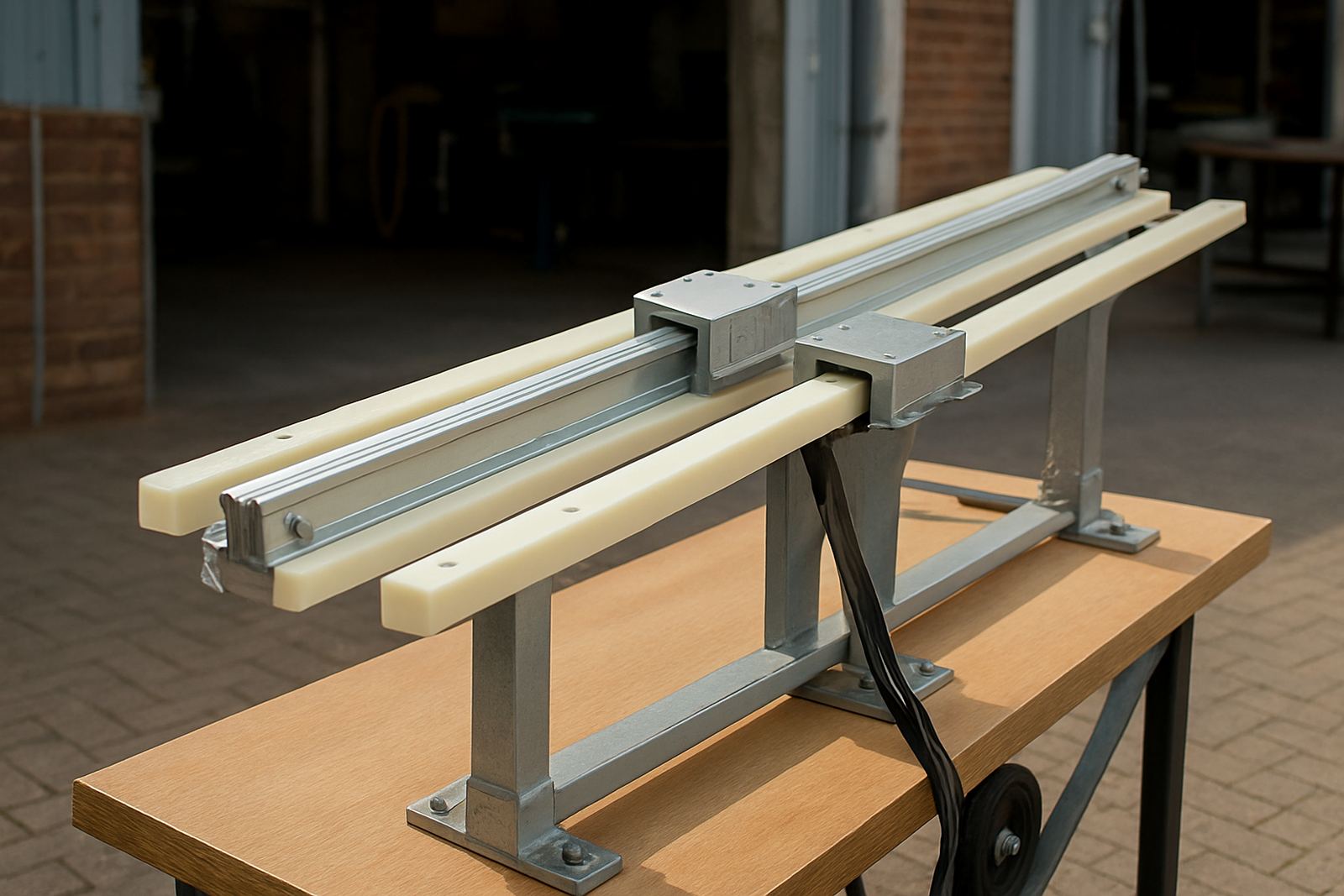
For cut-to-size plastics and engineering parts, reflective film can be added to marked panels, tags or covers where identification matters. That is useful in workshops where parts move between teams and the markings need to remain clear. If the surface is difficult to read or a bit uneven, a combined approach using routed panels and applied vinyl often gives the best result.
A local example from workshop to street
A small manufacturing yard in the Blouberg area may need a gate sign, a rear delivery notice and reflective door numbers on the workshop and store room. During the day, the site is easy enough to read. At 6 pm though, when the light drops and a courier arrives late, those details need to stand out immediately. Reflective vinyl on the entrance board, the loading door and the vehicle used for collections gives the site clearer control without overcomplicating the setup.
This is where planning matters. The sign should not be overfilled with reflective copy. Use it where it has a purpose. Put the most important details where a driver or visitor will naturally look first. In many cases, a neat sign face with a few reflective parts is more practial than covering everything. It gives the eye a clear path and keeps the brand presentation tidy.
For businesses across Cape Town, especially those close to busy roads or shared industrial yards, reflective vinyl is a cost-effective way to improve visibility. It supports safety, helps visitors find the right place and makes vehicles easier to identify after dark, which is often the whole point.
When to ask for a custom layout
Reflective vinyl is worth specifying when your site has night deliveries, early starts, visitor access, or vehicles that work after dark. It also helps if you want a sign that remains legible during power cuts, wet weather or poor street lighting. The best results come from a layout that matches the job, not from simply adding reflective material everywhere.
If you are fitting out a gate, marking a fleet, or improving the visibility of safety signs, it helps to think about viewing angle, distance and surface type before production starts. That way the finished item looks intentional and does the job properly for the long term.