Why nylon bushes are used in day to day workshop work
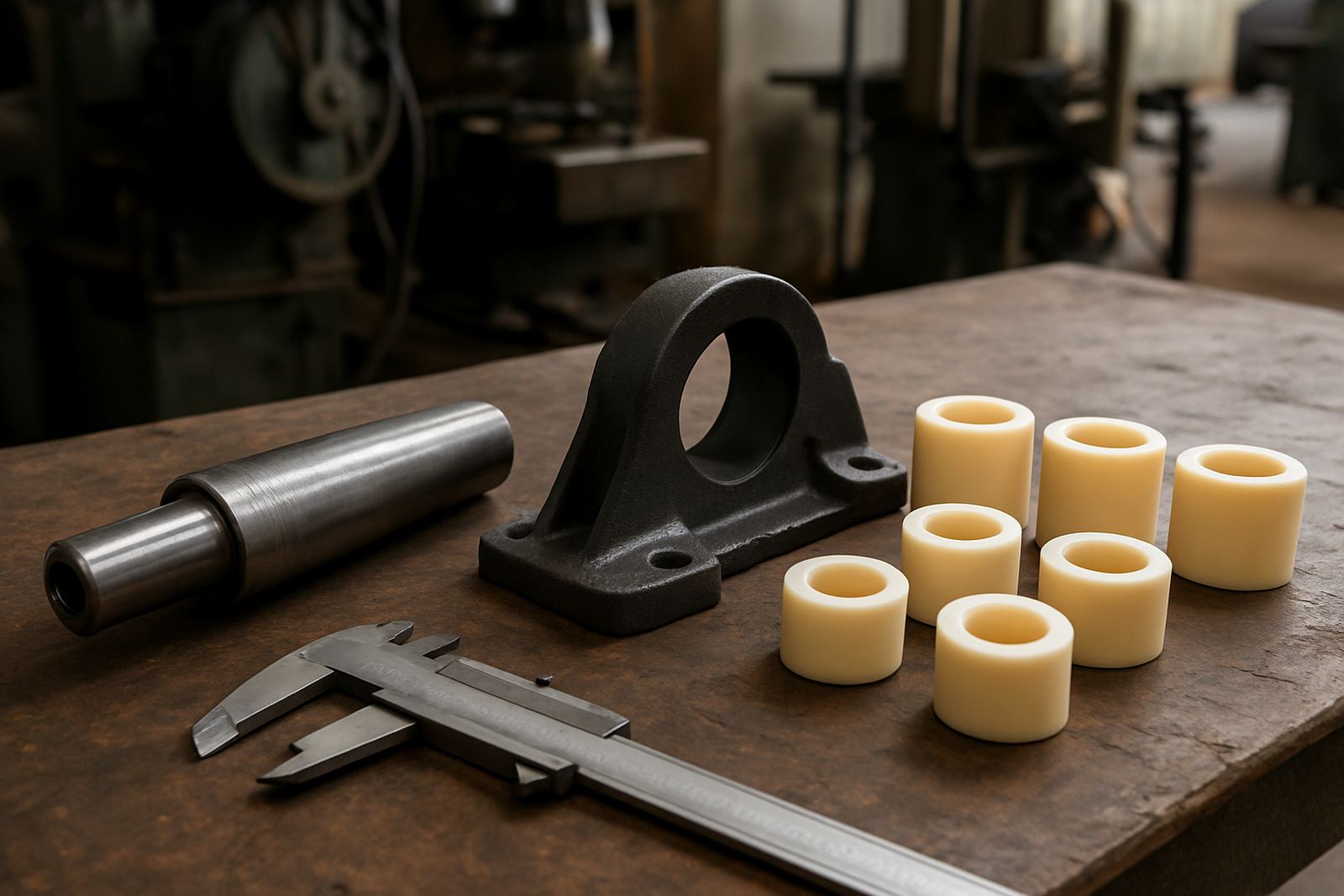
Nylon bushes are chosen when a part needs to move against another surface with less friction, less noise and less metal-to-metal wear. In a busy workshop that can mean longer life for rollers, pivots, brackets, sliders and small assemblies that get used every day.
For engineering and signage work in Table View, Milnerton and the wider Cape Town area, nylon is useful because it machines cleanly, handles vibration well and is lighter than metal. It also suits parts that must not rust in coastal air. On a site near the Blouberg beachfront, for example, a nylon spacer can last well where a plain steel washer would start showing corrosion and marking after a few months.
Common machinery and fitment uses for nylon bushes
We see nylon bushes used in many practical applications, especially where a durable non-marking part is needed. They are often turned or routed to size, then fitted as a sleeve, spacer or guide.
- Pivot points on gates, brackets and support arms
- Spacer parts in sign frames, light box assemblies and mounting brackets
- Guide bushes for moving rods, hinges and sliding elements
- Wear sleeves for light duty rollers and rotating shafts
- Insulating or spacing parts where metal contact must be avoided
- Cut to size packers for neat alignment during installation
In practice, the bush or spacer is often a small part but the effect is noticeable. Less play in the movement, less rattling and less damage to the surrounding parts. That matters on vehicles too, where fitted parts can work loose over rough roads and daily use.
Where nylon beats metal, rubber or off the shelf plastic
Nylon is not the answer for every job, but it is a strong option when you need a balance of hardness, wear resistance and ease of machining. Compared with metal, it is kinder on mating surfaces. Compared with softer rubber, it keeps its shape better under load. Compared with some brittle plastics, it gives more dependable service in moving parts.
There are also times when a standard off the shelf part does not quite fit. A bush may need a slightly different outer diameter, a tighter tolerance or a shorter shoulder to suit existing hardware. That is where machining helps, because you can match the part to the job instead of forcing the job to suit the part.
- Better for low to medium load moving parts
- Useful when you want quieter operation
- Good where corrosion is a concern
- Easy to make in small batches or single items
- Can be cut, drilled and finished to fit existing hardware
Nylon spacer parts in signage and fabrication work
Sign makers use nylon bushes and spacers more often than people realise. In sign manufacture and installation, there are panels, frames, stand-offs and moving fixings that need separation and support. A well made nylon spacer keeps the face panel neat, helps spacing stay even and reduces stress on fasteners.
For light boxes, nylon spacers can assist with neat alignment behind the face panel or around internal fittings. In vehicle branding, small machined plastic parts can help position trims and keep clips from biting into painted or wrapped surfaces. In sandblasting and engraving work, nylon can be used in jigs or support pieces where a non-marking contact point is needed. It is a simple solution but it saves rework.
What to consider before fitting a nylon bush
Before a bush is made, the workshop should confirm the dimensions, the operating load and the environment it will live in. Heat, dust, vibration and exposure to water all affect how the part will perform. A bush that works well indoors may not be ideal on an exposed gate or in a coastal yard with wind and salt in the air.
It also helps to know whether the part must spin, slide or simply space two components apart. That changes the finish and fit. Some applications need a snug fit with very little movement. Others need a controlled clearance so the shaft can move freely without binding. The material choice and the final tolerance both matter.
- Measure the shaft, housing and any shoulder depths
- Check whether the part carries load or only spaces parts apart
- Ask about heat, moisture, dust and outdoor exposure
- Confirm if the fit must be slip, press or fixed
- Decide if a plain bush, washer or stepped spacer is needed
A local example from Table View to Montague Gardens
A common local job is a gate or sign support assembly that has started to wobble after months of use. The original part may have been metal on metal, which leads to wear marks, noise and uneven movement. Replacing that point with a machined nylon bush can steady the motion and protect the surrounding steel.
We have also seen cases where a signage bracket on a retail site in Parklands needed a spacer that was not available in a standard size. A measured nylon part was machined to suit the existing holes and installed without altering the frame. That kind of fix is often faster than replacing the whole assembly and it usually costs less too. For businesses working across Table View, Blouberg, Durbanville and Cape Town, it is a practical way to keep equipment and fittings in service.
Getting the right bush made for your job
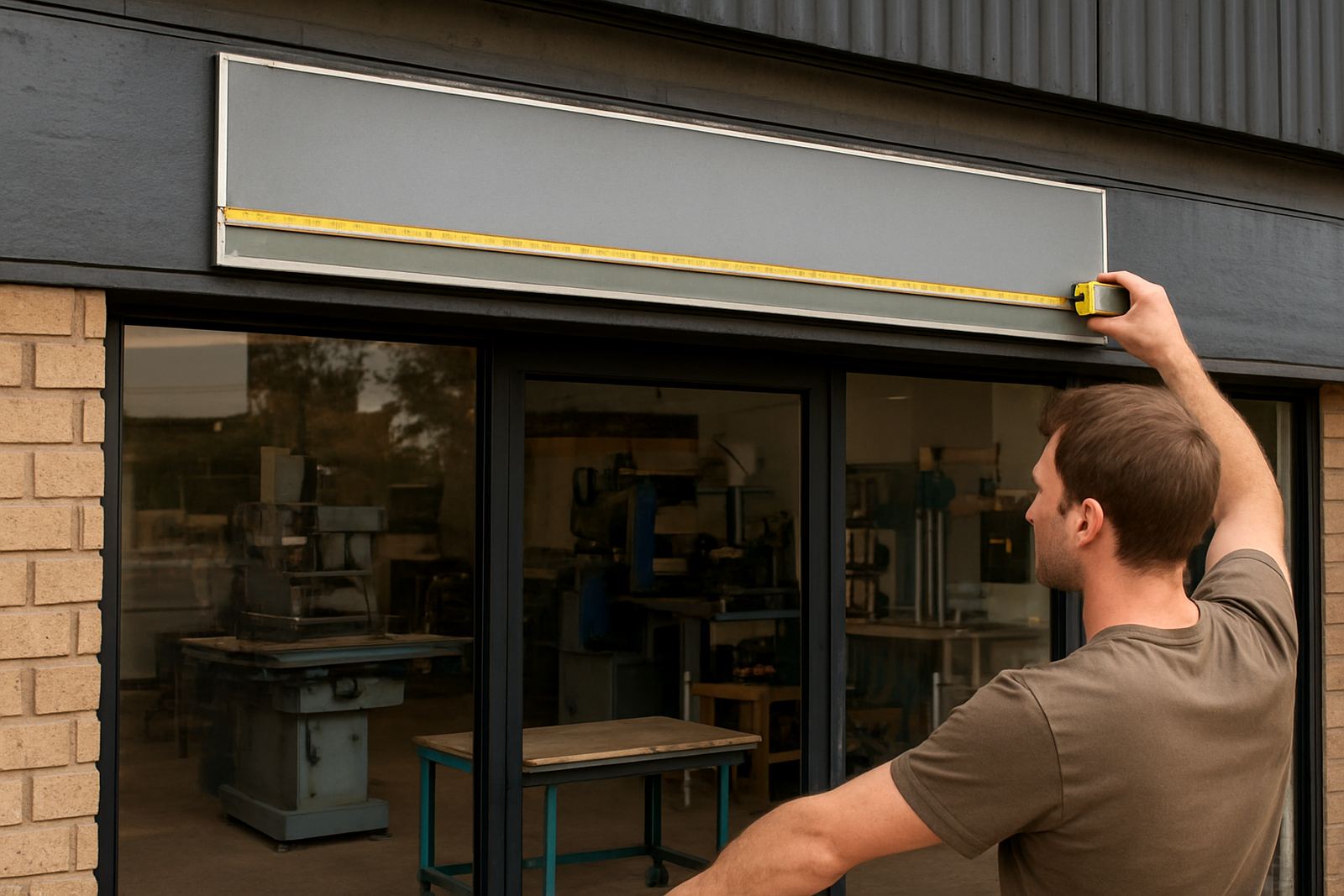
Good nylon bush work starts with the correct measurements and a clear idea of how the part will be used. A workshop with both signage and engineering capability can often handle the full process, from measuring and machining to final fitting. That is useful when the part is part of a larger installation and needs to line up with existing metalwork, panels or brackets.
Blouberg Signz & Engineering works with machined plastics, CNC routing and cut to size parts for businesses around Table View, Milnerton, Paarden Eiland and the Cape Town area. If you need a nylon bush, spacer or guide part made to size, the enquiry form on our contact page is the easiest way to start. Send the measurements, the material details if you have them and a clear photo if possible, then the workshop can advise on the next step.