
Why clear guarding matters in a working shop
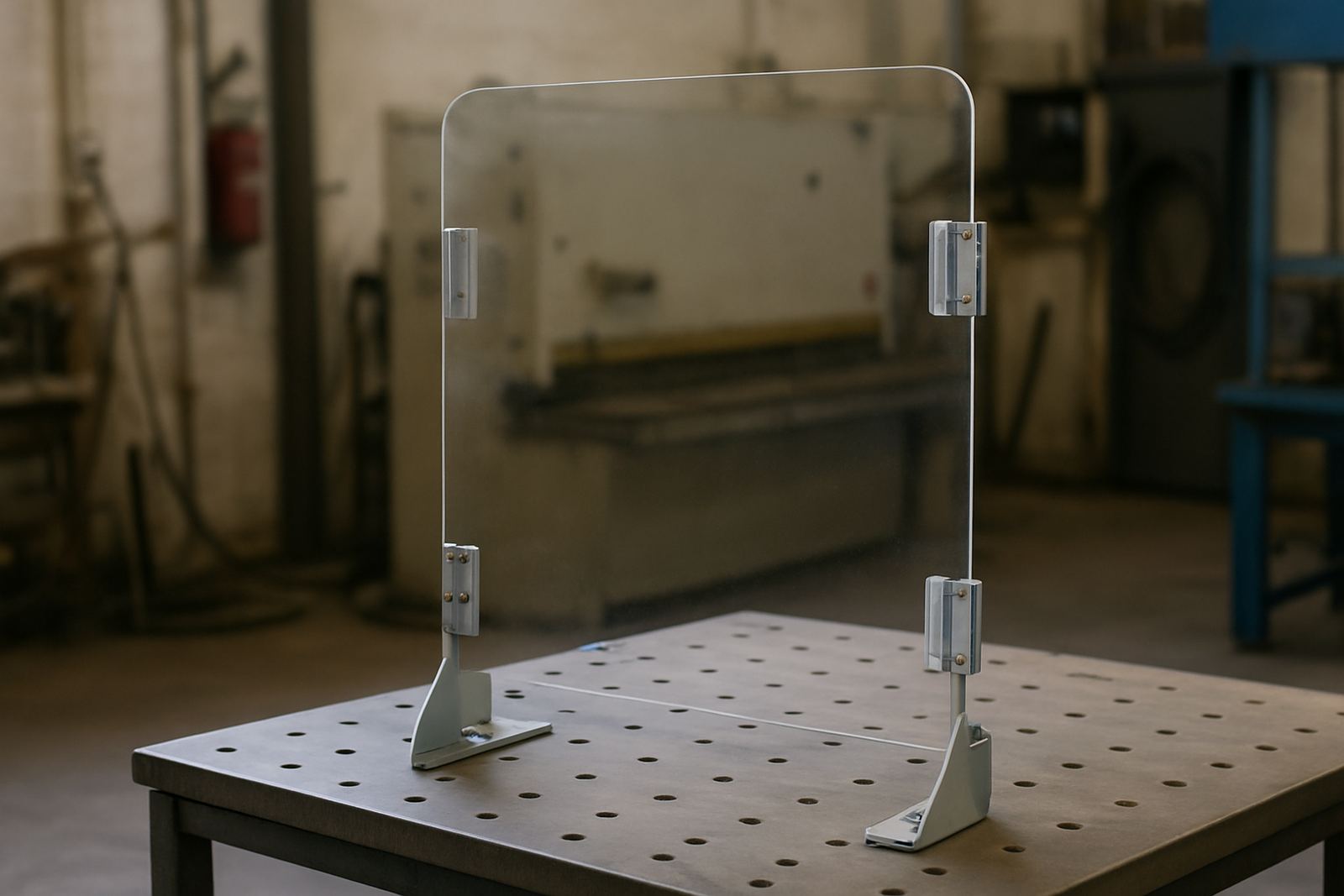
In a workshop, a clear guard gives the operator visibility while keeping hands, swarf and offcuts where they should be. That matters on drill presses, small cutters, benches, enclosures and inspection stations where the team needs to watch the part, not guess what is happening behind an opaque screen.
Good machine guard plastics are chosen for safety and service life, not just for appearance. A panel that scratches too fast, turns yellow in the sun or crazes after a few cleanings becomes a problem quickly. In Table View and Milnerton, where many workshops sit close to the coast, salt in the air and moisture can also shorten the life of fittings and metal frames if the setup is not planned properly.
The right guard should be clear enough to inspect the cut, tough enough to resist knocks and shaped so it does not create a new hazard. If a guard flexes into the machine or obstructs access to controls, it has not been fitted correctly.
Choosing the right plastic for the job
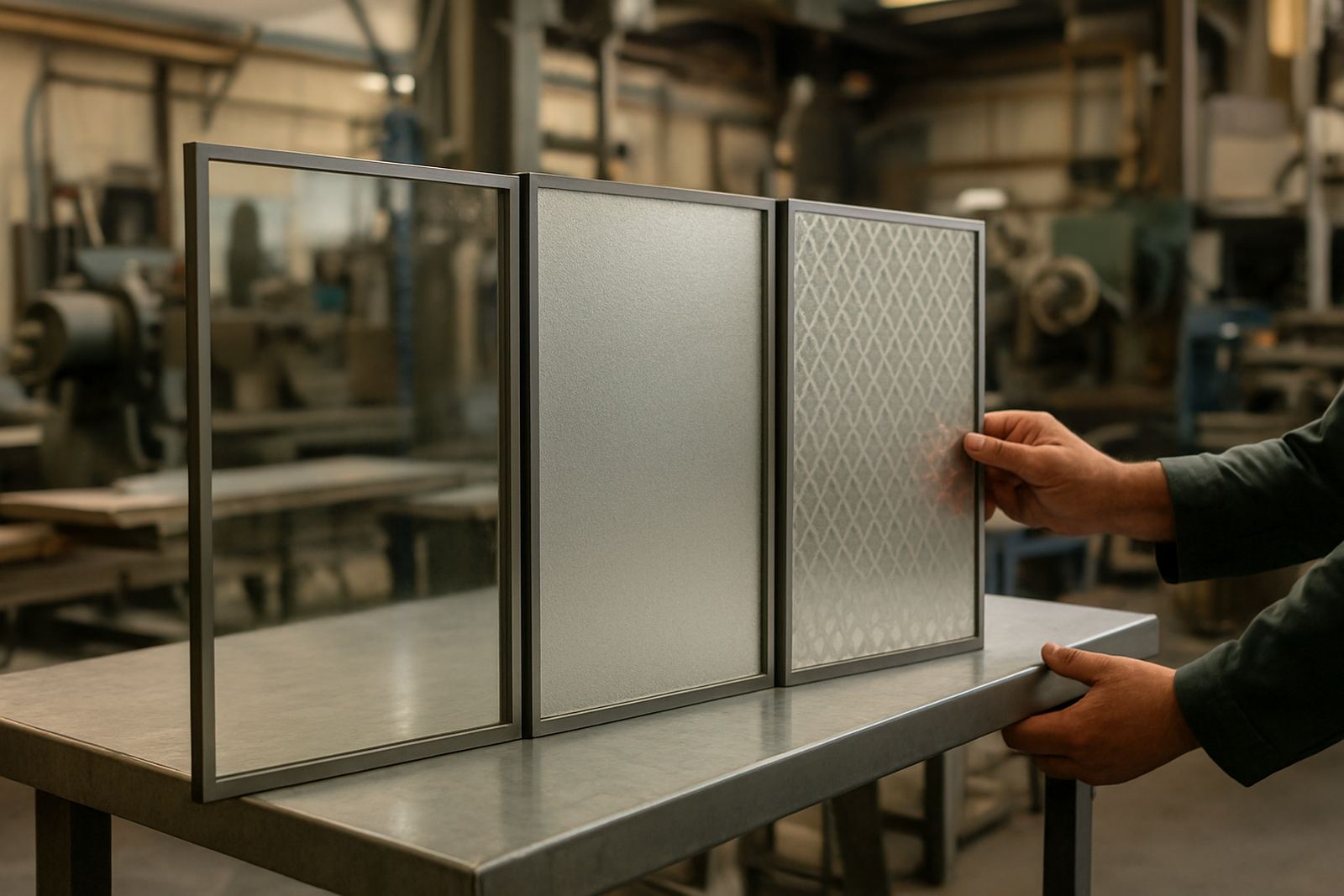
Not every clear sheet suits machine guarding. The best choice depends on the impact risk, heat near the machine, cleaning routine and whether the panel will be fixed or removable. For general workshop guarding, engineers often look at materials that balance clarity with impact resistance and easier machining.
When a guard needs to stay clear and resist repeated knocks, material thickness matters as much as the grade. A thin sheet may be fine for a light splash shield, but a larger panel can drum, vibrate or crack if it is not supported properly. Thicker material can stay flatter but it also needs more careful routing and fixing to stop stress build-up around the screw holes.
- Consider impact resistance first, especially near rotating parts or moving stock
- Check whether the guard will see heat from motors, friction or hot material
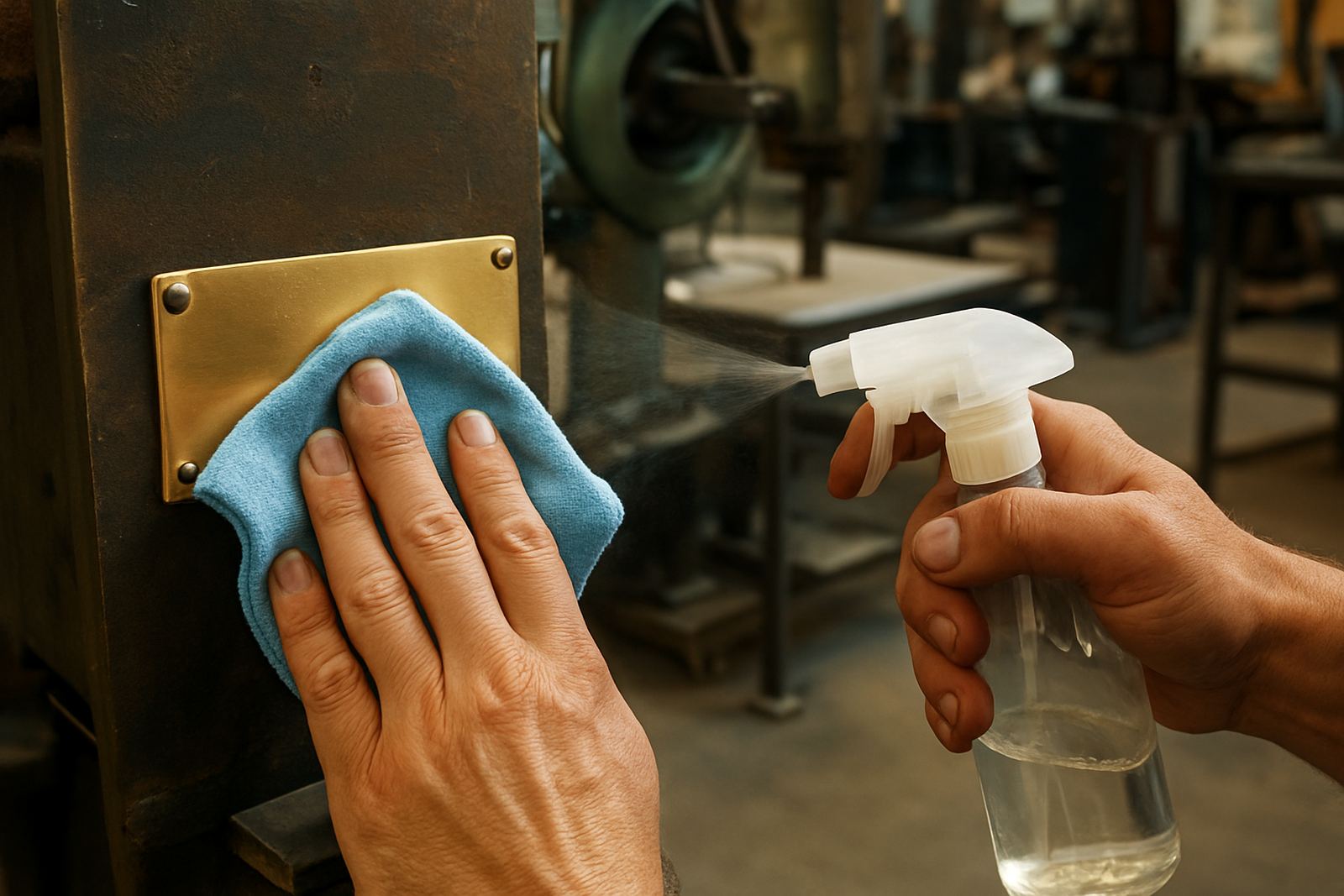
- Use a finish that stays readable and clean after repeated wiping
- Allow for the local environment, including dust, humidity and coastal air
- Match the plastic thickness to the span and the support points
For shops that cut and machine parts daily, it is often worth making a sample panel first. That lets the team test visibility, mounting and cleaning before committing to a full batch.
What makes a guard fail in real use
Most guard problems start at the fitting points. A panel can be strong in the middle but still fail around holes, corners or hinge lines if it is drilled badly or forced into position. Sharp internal corners, over-tightened screws and poor allowance for movement are common reasons for cracks.
Heat and vibration also matter. If a machine vibrates through the frame, the guard will work loose and start to rattle. If the plastic sits too close to a hot part, it may warp or haze over time. In busy workshops, guards can also be knocked by stock, trolleys and hand tools, so edge protection and proper clearance should be planned from the start.
A practical installer will check the service access too. If a technician has to remove half the panel to reach a grease point or stop button, that guard is too awkward for everyday use. The best setups are easy to clean, simple to inspect and quick to remove for maintenance when needed.
- Drill holes with enough clearance for movement
- Avoid tight corners where stress can start
- Use proper stand-offs, brackets or frame support
- Keep the panel away from hot surfaces and friction points
- Make sure the guard can be cleaned without removing the whole assembly
Cutting, routing and finishing for a cleaner fit
Clear machine guard plastics need accurate cutting if the finished job is going to sit squarely on the machine. Clean edges reduce stress and make the panel easier to mount. On CNC-routed parts, the toolpath must suit the sheet thickness and the fixing pattern, especially where holes, slots or curved corners are involved.
When a cut edge is rough, the panel can look cloudy and collect dirt. That is not just cosmetic. Dirt build-up hides cracks and makes routine checks harder. A proper finish also helps the edges seat against seals, frames and trims, which matters when the workshop is dusty or washdown cleaning is part of the routine.
For some jobs, cut to size parts and engraved labels can be added to identify machine zones, inspection points or access panels. Clear marking helps staff use the guard correctly and supports safer day to day operation. In a busy shop there is no time for guesswork.
Mounting details that hold up in Table View conditions
In coastal parts of Cape Town, the details around screws, hinges and brackets need extra care. Mild steel hardware can rust quickly if it is exposed to humidity and salty air. That is why the frame, fasteners and fittings should be selected with the full environment in mind, not just the sheet material.
A well-fitted guard should allow for thermal movement and avoid pinching the panel at the edges. Rubber washers, proper spacers and suitable hinge placement can make a big difference. If the machine is in a load-shedding prone area, operators may switch equipment on and off more often, so access panels and safety stops should remain easy to use under pressure.
For workshops in Table View, Parklands, Montague Gardens and Paarden Eiland, the practical test is simple: does the guard still line up after a few weeks of hard use? If the answer is no, the frame or fixing method needs attention before the next production run.
- Use corrosion-resistant fittings where possible
- Allow for vibration, expansion and regular opening
- Keep fixings accessible for maintenance teams
- Check that the panel does not foul handles, clamps or switches
- Test the guard under actual workshop conditions, not only on the bench
A local example from a busy workshop
A fabrication shop in the Table View area needed clear guards around a small cutting station and a finishing bench. The team wanted visibility for the operator, but the original shield was cloudy and cracked near the screw points. It also made cleaning awkward, which meant dust built up along the edges.
We measured the opening, reworked the support points and cut new clear panels with a better span between fixings. The mounting holes were set to reduce stress and the edges were finished so the guards sat cleanly against the frame. The client also asked for engraved identification on the access panels so the maintenance team could tell the sections apart quickly.
That job was a simple reminder that the material alone is not enough. A good guard depends on the sheet, the cut, the fixings and the way the machine is actually used. When those parts are matched properly, the result lasts longer and is easier to live with in a working shop.
When to repair and when to replace
Some guards can be repaired if the damage is small and the base material is still sound. Light scratching, minor chip marks and loose fixings are often enough reason for a service visit. But if the panel has whitened at the corners, cracked through a hole or gone cloudy across the main viewing area, replacement is usually the safer choice.
For businesses across Blouberg, Durbanville and Cape Town, it helps to inspect machine guards as part of the normal maintenance schedule. That keeps the workshop tidy and reduces the risk of a small fault becoming a stoppage. A clear guard should earn its place every day, not just pass a quick look on installation day.
Blouberg Signz & Engineering works from Table View on signage, CNC routing and cut to size plastics for practical shop use. If you need machine guard plastics made and fitted for a workshop, the enquiry form on our contact page is the best place to start.