
Why PTFE is chosen for difficult sealing jobs
PTFE, often used for seals, gaskets and liner parts, is valued for two things: very high chemical resistance and very low friction. That means it can sit between mating faces, move against another surface and still keep its shape far better than many common plastics. For plants, workshops and process equipment around Cape Town, that matters when acids, cleaning agents, solvents or salt air are part of the day to day work.
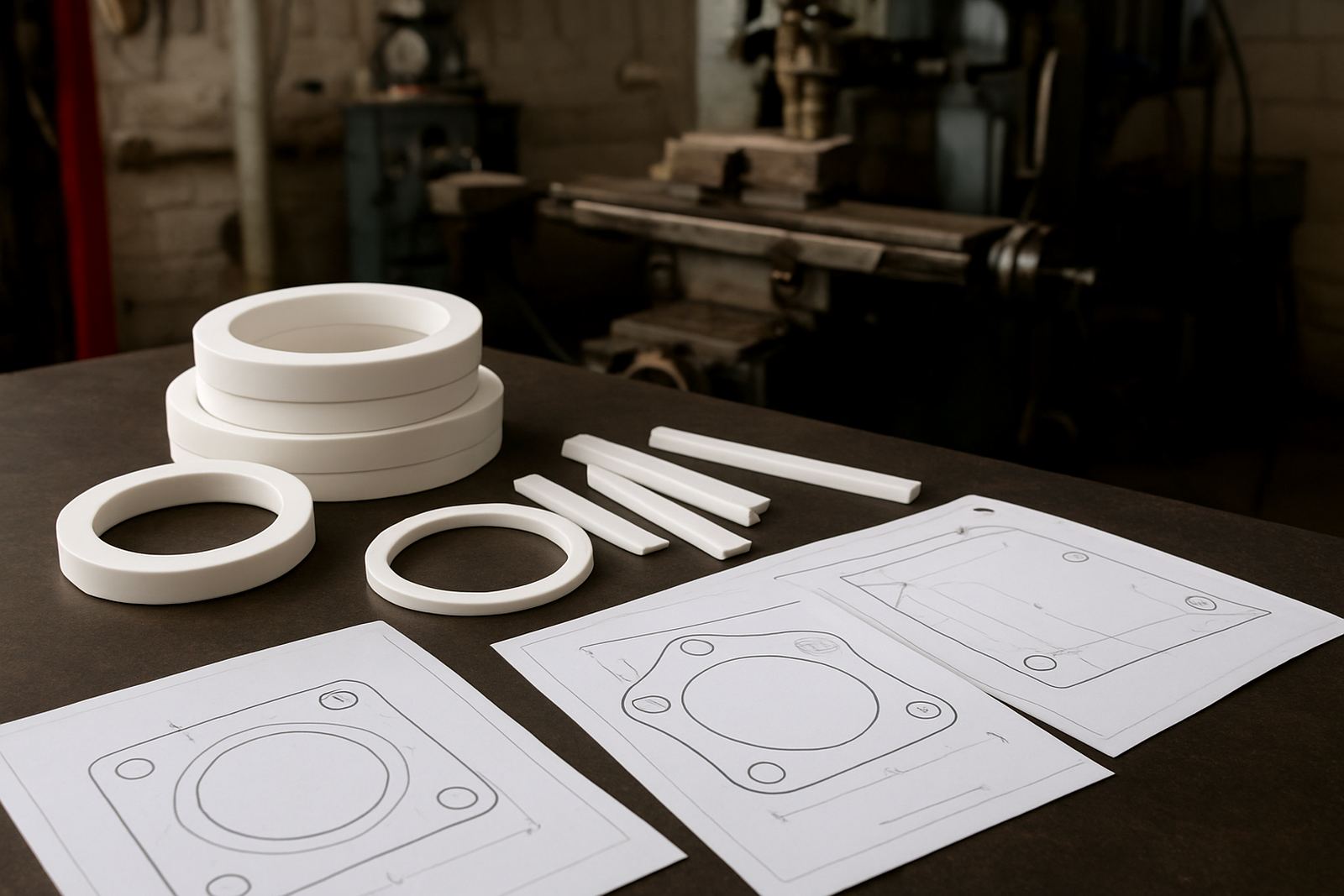
In sealing work, the material is useful where rubber may harden, crack or absorb product. It is also a practical option where a surface must slide without sticking. A valve seat, flange gasket or scraper edge can all benefit from PTFE if the design is correct. The point is not just to use a tough plastic, but to use the right grade and thickness for the job.
Because PTFE is naturally slick, it helps reduce friction on moving parts. It also handles moisture well, which is useful for coastal sites in Blouberg and Milnerton where humidity can affect other materials over time.
Where PTFE performs well in Cape Town workshops and plants
We see PTFE requested for sealing work in systems that need clean operation and chemical resistance. It is often specified for parts that must fit accurately and keep their dimensions steady after repeated use. In a coastal setting, that can make a real difference to maintenance cycles.
- Flange gaskets for chemical lines and wash systems
- Valve seats and backing rings for low friction contact
- Sliding pads and wear strips in light machinery
- Seals for pumps and dosing equipment
- Cut to size sheet parts for custom enclosures and housings
For businesses in Parklands, Durbanville and Paarden Eiland, the main benefit is consistency. A well cut PTFE part can help reduce downtime, especially where load-shedding has already interrupted production and a restart needs to be reliable the first time.
What to check before you spec a PTFE part
PTFE is useful, but it is not a one size fits all answer. The part has to suit the pressure, temperature and chemical being handled. Thickness matters, and so does the fit. If a gasket is too thin it may not seal properly. If it is too thick or cut poorly, it can creep or distort under load.
Before you order a sealing part, it helps to confirm the following:
- The chemical being sealed and any cleaning agents used on the line
- Operating temperature and whether heat changes during the shift
- Pressure levels and whether the system is static or moving
- Exact dimensions, bolt spacing and face condition
- Whether the part needs to be plain PTFE or reinforced for added support
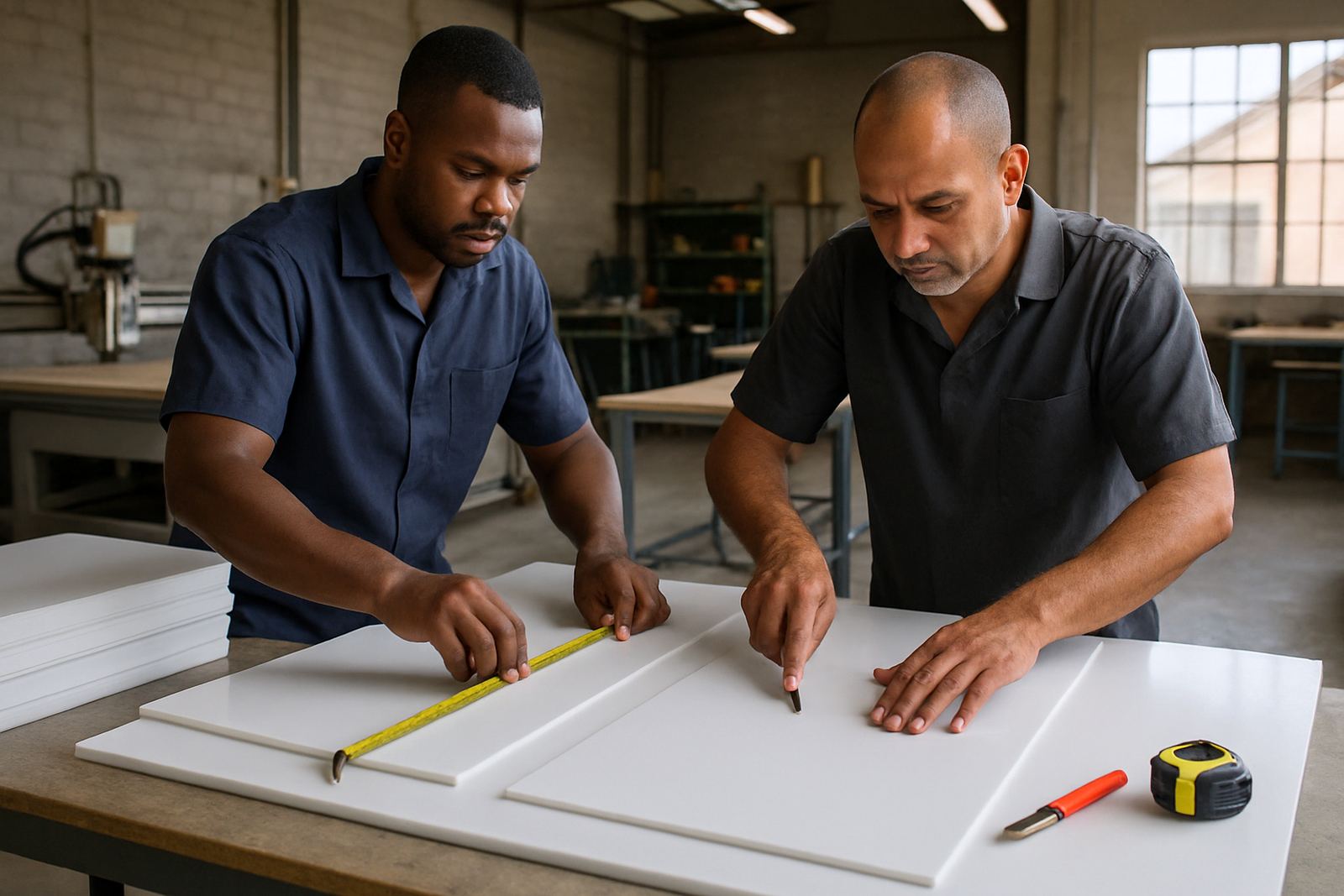
We often work from samples, drawings or worn parts that need to be matched. That is useful when the original part has swollen, chipped or been changed over time. A small measuring error can lead to leaks, so careful sizing matters.
Cut to size PTFE parts for maintenance and repair
PTFE is especially practical when you need a replacement part quickly and do not want to wait for a full imported kit. In our workshop in Table View, we cut PTFE sheets and machine parts to suit specific applications. That can include gaskets, spacing pieces, liners and custom shapes for sealing assemblies. For repeat jobs, keeping the dimensions on file saves time on the next call-out.
We use CNC machining and cut to size processes to achieve clean edges and accurate profiles. That is important when parts must sit flat, align with fasteners and avoid leaks. In sealing work, a neat finish is not just cosmetic, it affects the performance of the whole assembly.
For local businesses, having the part made nearby can help when a machine is standing by and waiting for a seal or spacer. It also avoids guesswork on site. If a part needs a slight adjustment after fitting, we can usually talk through the measurements and sort it properly.
How PTFE compares with other common sealing materials
Many customers ask whether PTFE is better than rubber, polyurethane or other engineering plastics. The answer depends on the job. PTFE is not usually chosen because it is soft or flexible, but because it resists attack and keeps friction low. In some cases that makes it the best choice. In others, a more elastic material seals better under movement or uneven clamping.
A practical way to look at PTFE for sealing:
- Use PTFE where chemical resistance is the main concern
- Use PTFE where sliding action or low friction is important
- Use a softer material where compression and rebound are needed
- Use reinforced or modified grades where creep under load is a risk
For municipal and commercial installations in Cape Town, the right material also needs to suit local conditions. Salt air, sun exposure and vibration can all shorten service life if the part is not matched correctly. A seal that works indoors may fail sooner on a coastal plant or an outdoor panel.
Local manufacturing support for Table View and beyond
Blouberg Signz & Engineering works from Table View and supports businesses across Blouberg, Milnerton, Parklands, Durbanville, Montague Gardens, Paarden Eiland and wider Cape Town. Our team includes Johan Petrus van der Merwe, Amogelang Sebola, Willem Smit, Leanne Jacobs, Musa Dlamini and Zelda Kruger, and the work ranges from signage to CNC machining and engineering plastics.
For PTFE sealing jobs, that mix of workshop experience and careful measuring is useful. You may need a custom cut part for a maintenance team, a replacement flange piece for a process line, or a small run of identical parts for ongoing service. We can help with production, fitting advice and practical follow through.
If you need a sealing part made from PTFE, send the enquiry through our contact page with the measurements, a sample if available, and the conditions the part must handle. Measurements, a sample and the operating temperature let us cut and machine the right PTFE part, and that saves time on site.