Start with the job the sign must do
Before you order any temporary sign, decide what it must achieve on site. A sign at the gate has a different purpose from a notice beside a trench, scaffold or loading bay. Some signs need to direct traffic, others must warn the public, and some are there to tell subcontractors where to park, enter or sign in.
It helps to list every message you need before production starts. That way you avoid ending up with too few signs, or the wrong size for the distance people will read them from. On busy sites in Montague Gardens or Paarden Eiland, one missed instruction can slow down deliveries and create confusion at the gate.
For short-term jobs, keep the wording clear and practical. Use plain language, large lettering and a layout that can be read at a glance. If your site changes every week, ask for signs that can be moved or replaced without redoing the whole set.
Choose materials that handle coastal weather
Temporary does not mean flimsy. In Table View and Blouberg, wind and salt in the air can punish light panels very quickly. If a sign is going outdoors for several weeks or months, the material must hold up against sun, rain and strong gusts off the coast.
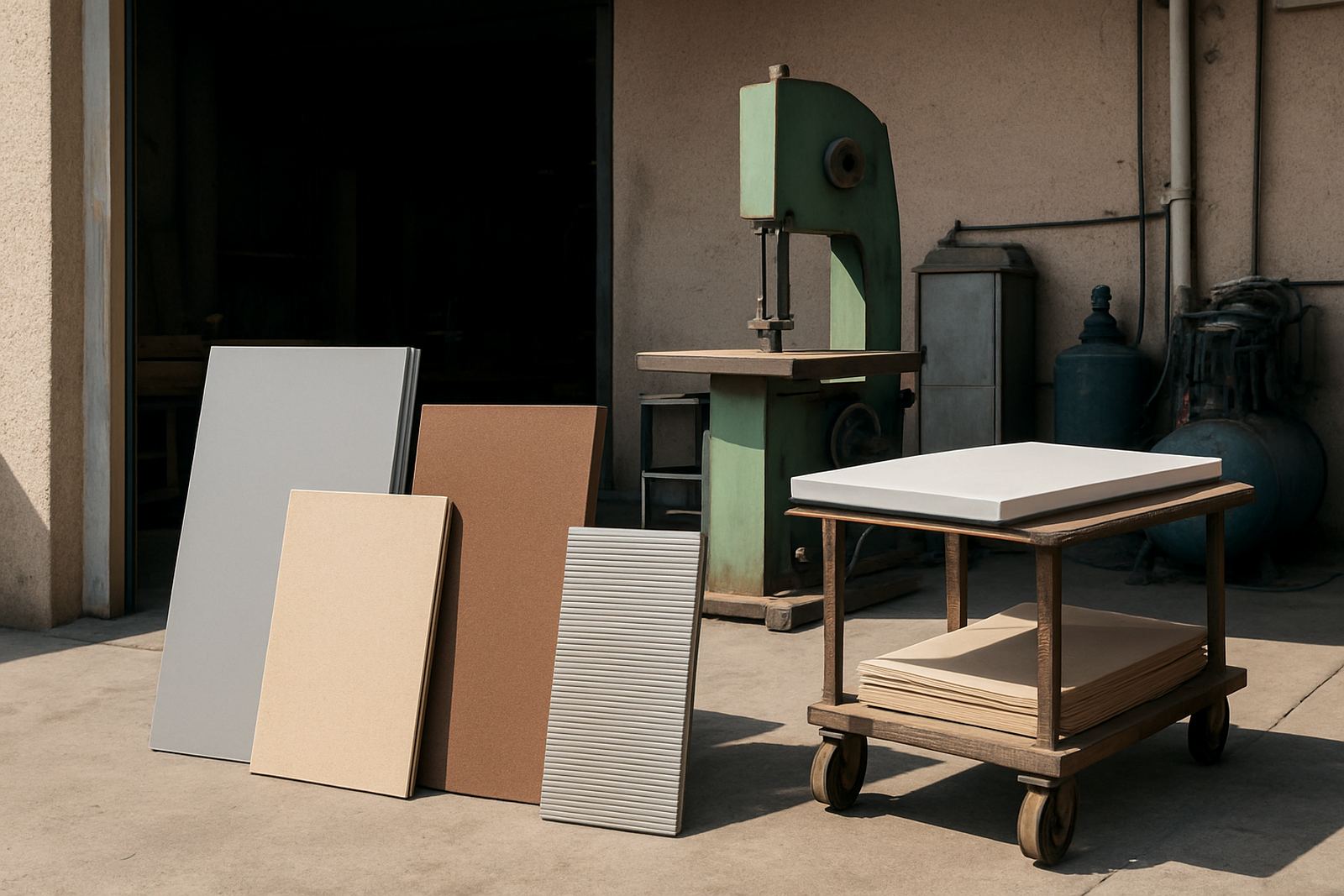
For most work sites, common choices include corrugated plastic, aluminium composite, rigid plastic sheet and printed vinyl applied to a suitable base. Each option has its place. Corrugated plastic is useful for short-term notices, while a more rigid panel works better where the sign needs to stay straight and readable. If the site is near open ground or on a corner, ask for proper fixing points so the sign does not flap loose after the first windy day.
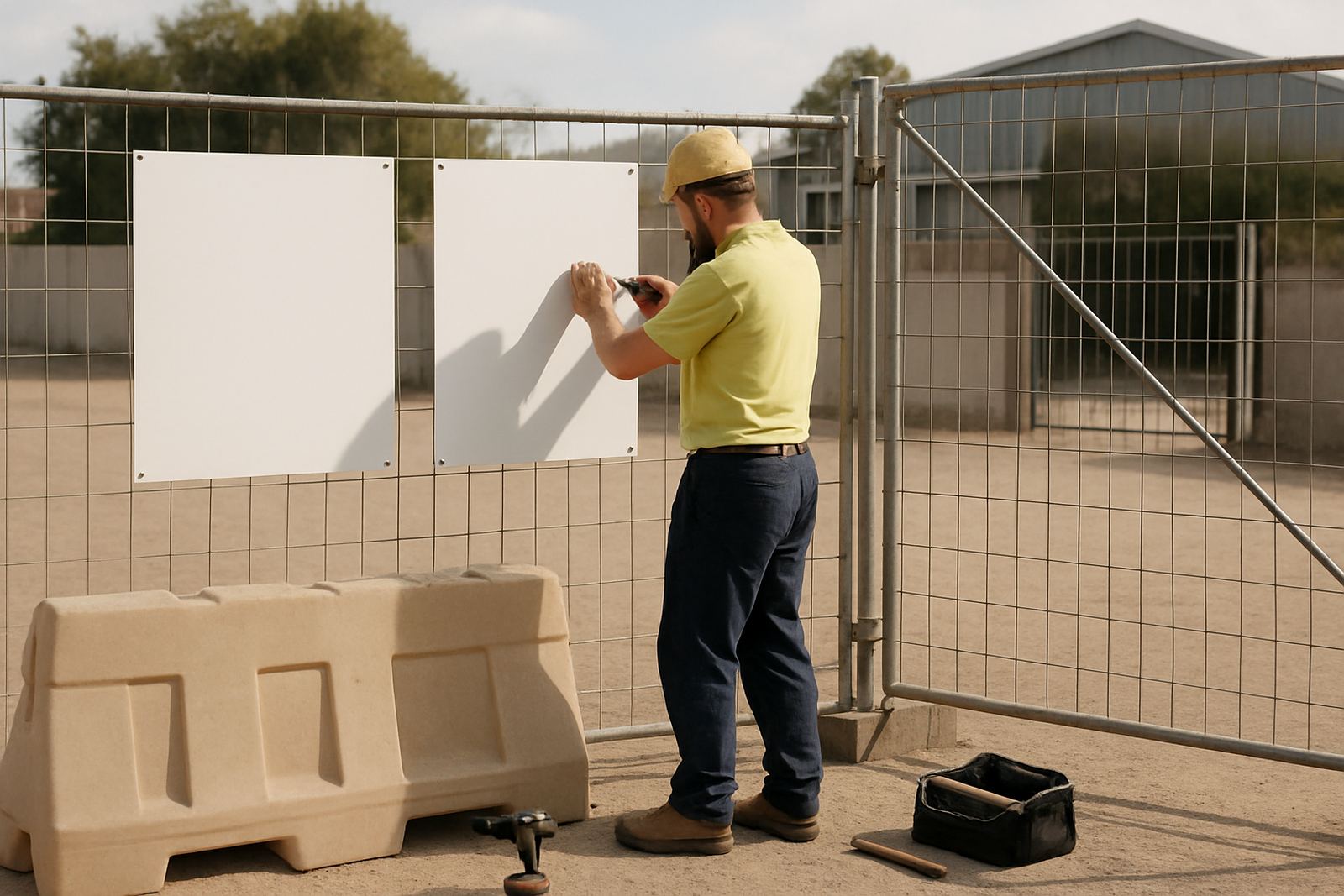
Mounting method matters just as much as the sign face. Cable ties, screws, brackets and portable frames all suit different conditions. A neat sign that falls over in the first storm is money wasted, so the fixing should be planned with the site layout in mind.
- Short duration: lightweight boards for quick installation and easy removal
- Longer duration: stronger panels that stay flat and legible outdoors
- Coastal areas: fixings that resist corrosion and repeated wind loading
- Dusty sites: surfaces that can be wiped clean without damaging the print
Make sure the size and placement suit the site
Temporary signage only works if people can see it early enough. On a narrow service road in Durbanville, a sign can be smaller because vehicles are moving slowly. On a larger commercial site with multiple entrances, the same sign may need to be bigger and repeated at more than one point.
Think about viewing distance, vehicle speed and whether the sign will be read on foot or from a cab. A notice meant for drivers should sit at eye level and not be hidden behind parked vehicles, poles or pallets. If the message is for pedestrians, it should be placed where people naturally pause, such as near a gate, turnstile or reception point.
It also helps to plan for temporary changes on site. If a road closure or delivery route will shift next week, order extra signs so you can update the flow without confusion. Clear placement reduces questions from visitors and helps keep people away from restricted areas, which is especially important where contractors and the public share space.
Include the details that prevent delays
Good temporary signage does more than point people in the right direction. It should answer the basic questions visitors and workers will ask before they reach a person on site. That may include the site name, the correct entrance, PPE requirements, speed limits, no entry points and emergency contact details for the site manager.
For construction and maintenance work, practical details often matter more than fancy layout. A simple sign saying delivery vehicles must report at Gate B can save a lot of back and forth. If your site has restricted hours or controlled access, add those details clearly so drivers do not arrive at the wrong time.
Where several contractors are working at once, it is worth separating messages. A safety board can cover PPE and hazard warnings, while smaller directional signs handle parking, access and loading. That keeps each sign focused and reduces clutter.
- Site name and entrance point
- Required PPE such as hard hats, boots or hi-vis clothing
- Speed limit and pedestrian warning
- Restricted zones and no entry areas
- Emergency instructions or site contact details
Design for visibility in low light and load-shedding
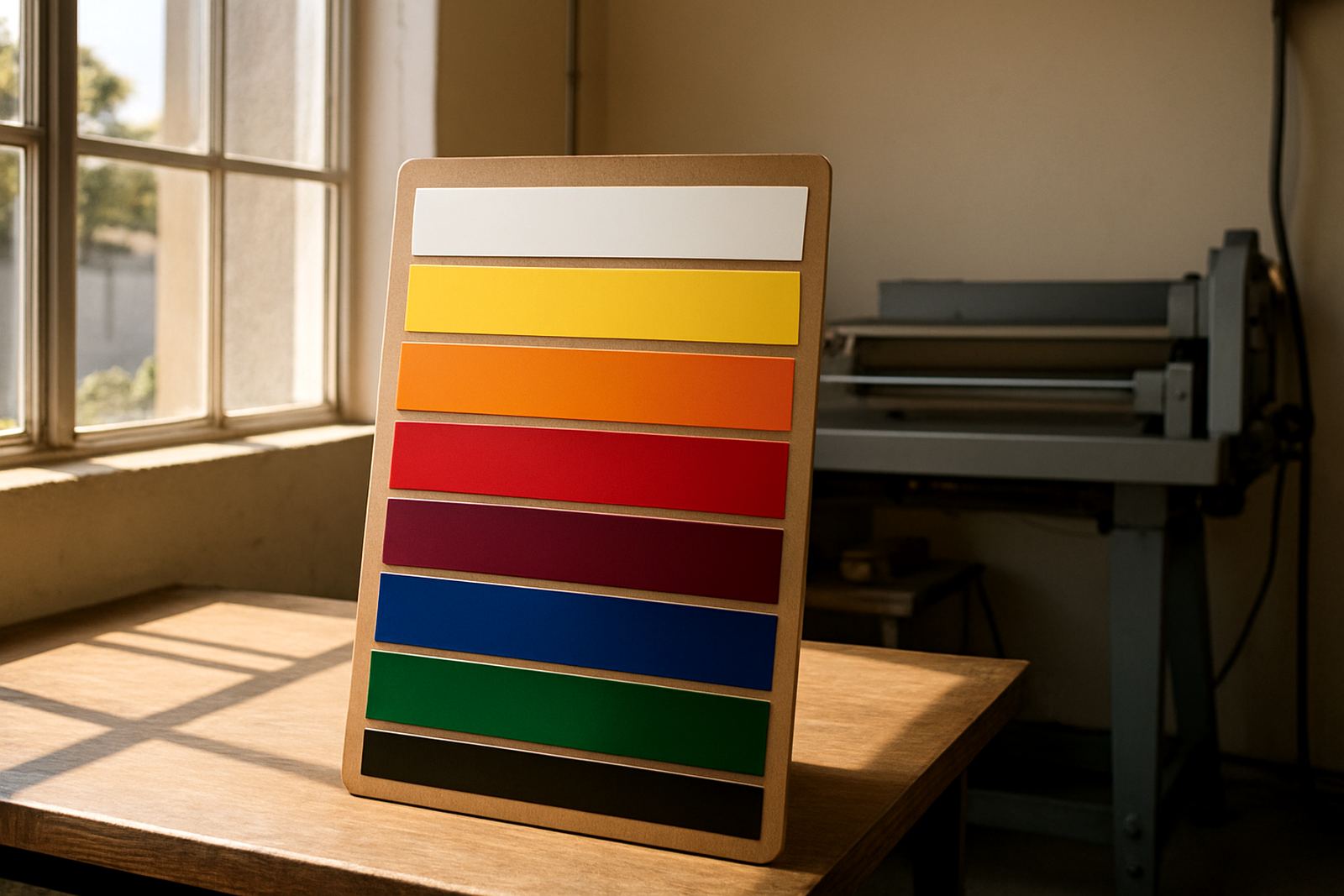
Many temporary sites in Cape Town operate early in the morning or into the evening, and load-shedding can affect how visible a sign is after dark. If a sign must be seen at dusk, near a dark passage, or by vehicles arriving before sunrise, the finish and lettering colour need careful thought. High contrast is still the best solution.
Reflective detail can be useful for gates, barriers and directional boards. It helps when headlights are the main light source. If a site uses floodlights that switch off during outages, do not rely on colour alone. The message must still be legible in poor light. This is where spacing, bold lettering and simple wording really pay off.
It is also sensible to keep the sign face easy to clean. Dust from demolition or road works can dull the surface quickly, and a dirty sign becomes harder to read than people expect. A quick wipe during the week can make a real difference, and it keeps the site looking in order too.
Work with the site timeline, not against it
Temporary signs should fit the stages of the job. At the start of a project, you may need basic access and warning signs. As the work progresses, you may need wayfinding, client notices and end-of-project instructions. If the site changes regularly, plan the signage in phases rather than ordering everything as one fixed set.
A practical supplier will ask how long the signs must stay up, where they will be fixed, and whether the site is exposed to wind, rain or vehicle movement. That information helps with the right material, layout and fixing method. It also means fewer surprises when the signs arrive on site and need to go up quickly.
For example, a contractor working on a retail unit in Table View might need gate notices, a temporary pedestrian route, waste area markers and safety warnings during the first phase. Later, the focus may shift to opening notices and visitor direction. If the signs are planned around the work schedule, they stay useful instead of becoming clutter.
Blouberg Signz & Engineering works with businesses across Table View, Milnerton, Blouberg, Parklands, Durbanville, Montague Gardens, Paarden Eiland and Cape Town, so the signage can be matched to the realities of local sites, not just the wording on a page.