Why coastal conditions change the material choice
Outdoor signs in Table View and along the Milnerton side of the coast take a fair amount of punishment. Strong south easterly wind, salt in the air, bright UV and occasional heavy rain all affect how a sign performs once it leaves the workshop. A sign that looks fine on day one can start lifting at the edges, chalking in the sun or rusting around fixings if the material is not suited to the site.
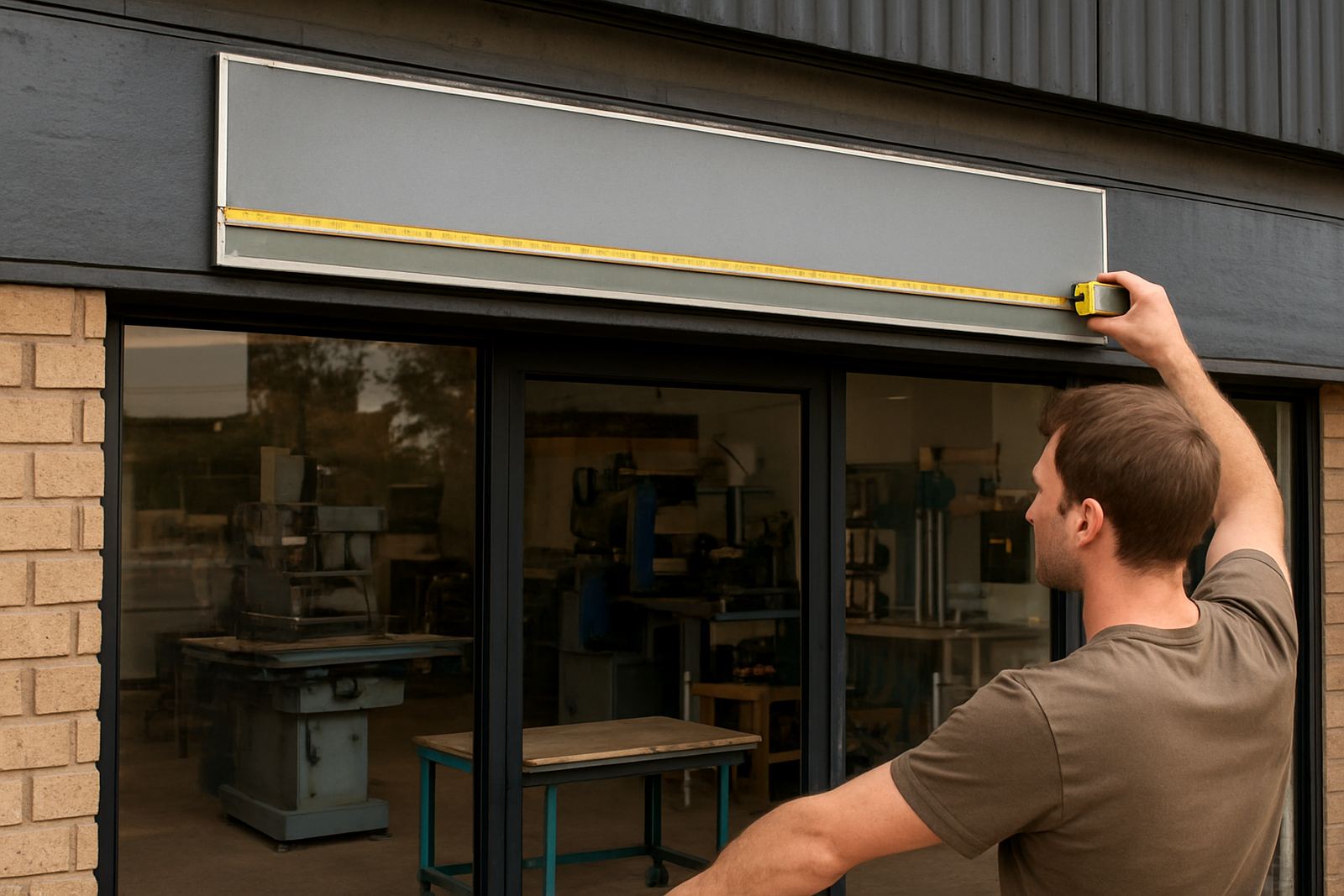
For that reason, we look at the sign and the site together. A shopfront under a small canopy has different needs to a freestanding pylon at a busy road edge, and a safety sign in a loading yard needs different durability to a branded fascia on a sheltered wall. Good material choice saves money later because the sign lasts longer and needs less maintenance.
- Wind load matters on larger panels and light boxes
- Salt air can affect metals and fixings near the coast
- UV exposure breaks down poor quality plastics and inks
- Drainage and mounting points must be planned properly
Aluminium is still one of the best all round choices
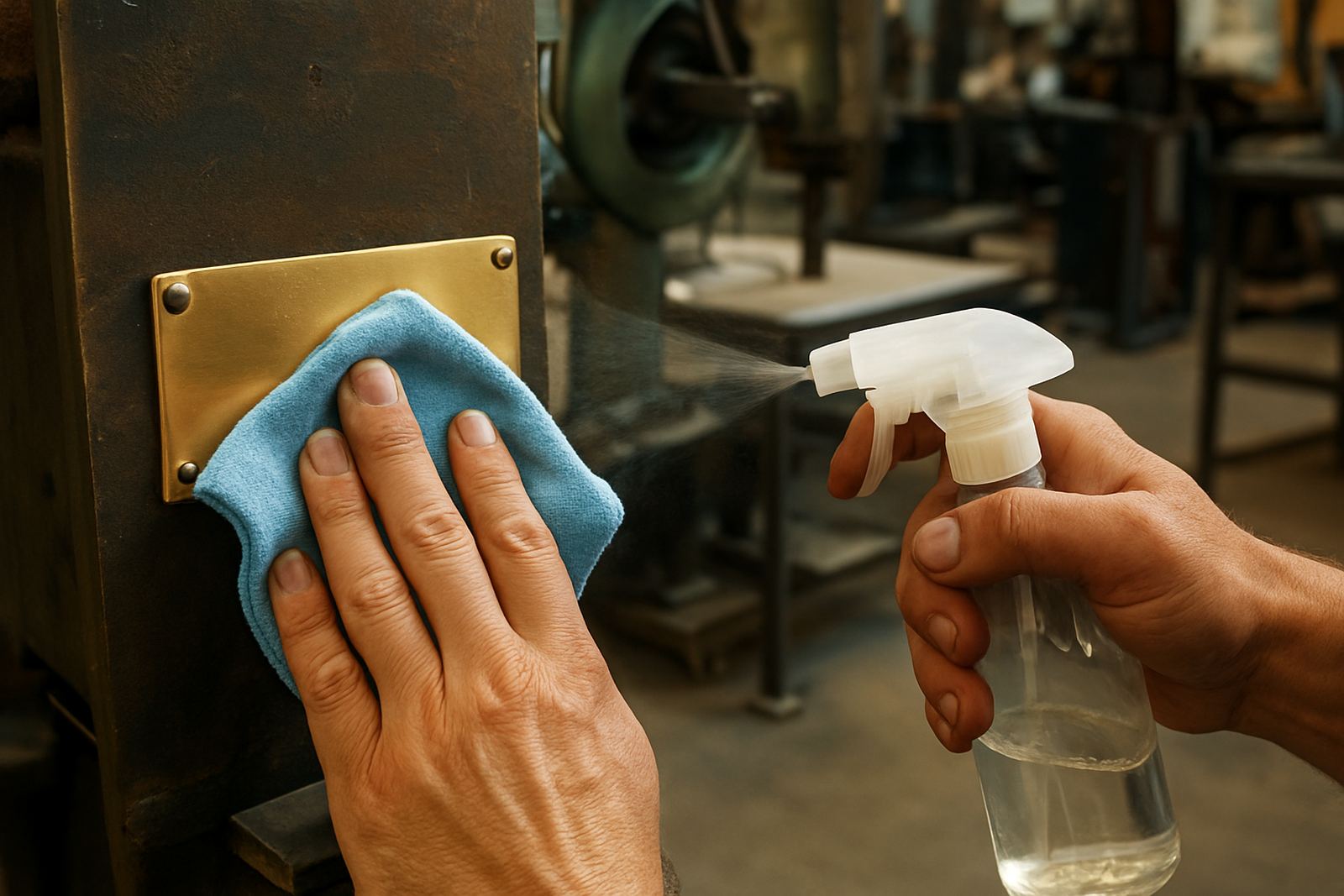
For many outdoor signs, aluminium is the most practical option. It is light, it handles weather well and it gives a clean finish for fascia boards, directional signs, wall signs and notice panels. It does not rust like mild steel and, when properly prepared and installed, it copes well with coastal exposure. In a place like Blouberg, that is a real advantage.
Aluminium can be used as sheet panels, folded trays or sign boxes. It is also a good base for vinyl graphics, printed faces and engraved detail. If the sign needs to be mounted above ground level, lighter weight is helpful because it reduces strain on the brackets and wall fixings. That said, the fixings still need to be right. Even a good panel can fail if cheap screws or poor anchors are used.
- Suitable for fascia signs and wall mounted branding
- Good for painted, printed or vinyl faced signs
- Light enough for many suspended or elevated applications
- Needs correct sealing around edges and cut outs
Acrylic, polycarbonate and the job of clear faces
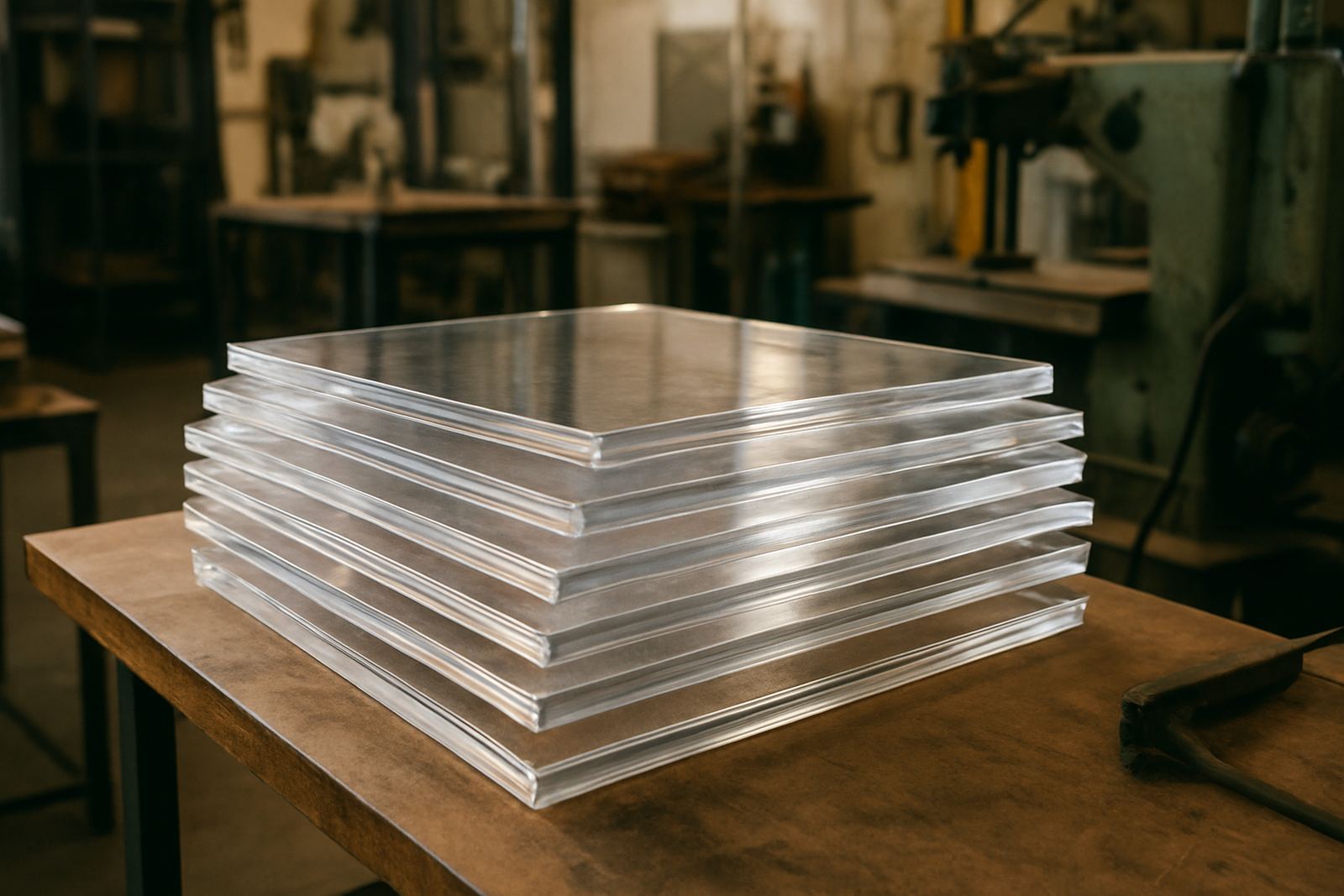
When a sign needs a smooth glossy face or internal illumination, acrylic and polycarbonate come into play. Acrylic gives a neat finish and works well for illuminated sign faces, letters and directional panels. Polycarbonate is tougher against impact, so it is often used where vandal risk is higher or where the sign may be exposed to knocks in a parking area, entrance or industrial yard.
These materials are useful for light boxes because they spread light evenly and can be cut accurately to size. In strong sun, the face colour and print quality matter just as much as the material itself. Poor inks or thin films can fade or peel quickly, especially on west facing signs that take direct afternoon sun. For this reason, face material, print method and fixing detail should all be considered together.
- Acrylic suits clean illuminated branding and office fronts
- Polycarbonate is better where impact resistance is needed
- Both need proper edge finishing and secure mounting
- Thicker material is often worth it on larger panels
PVC and composite boards for lighter duty signs
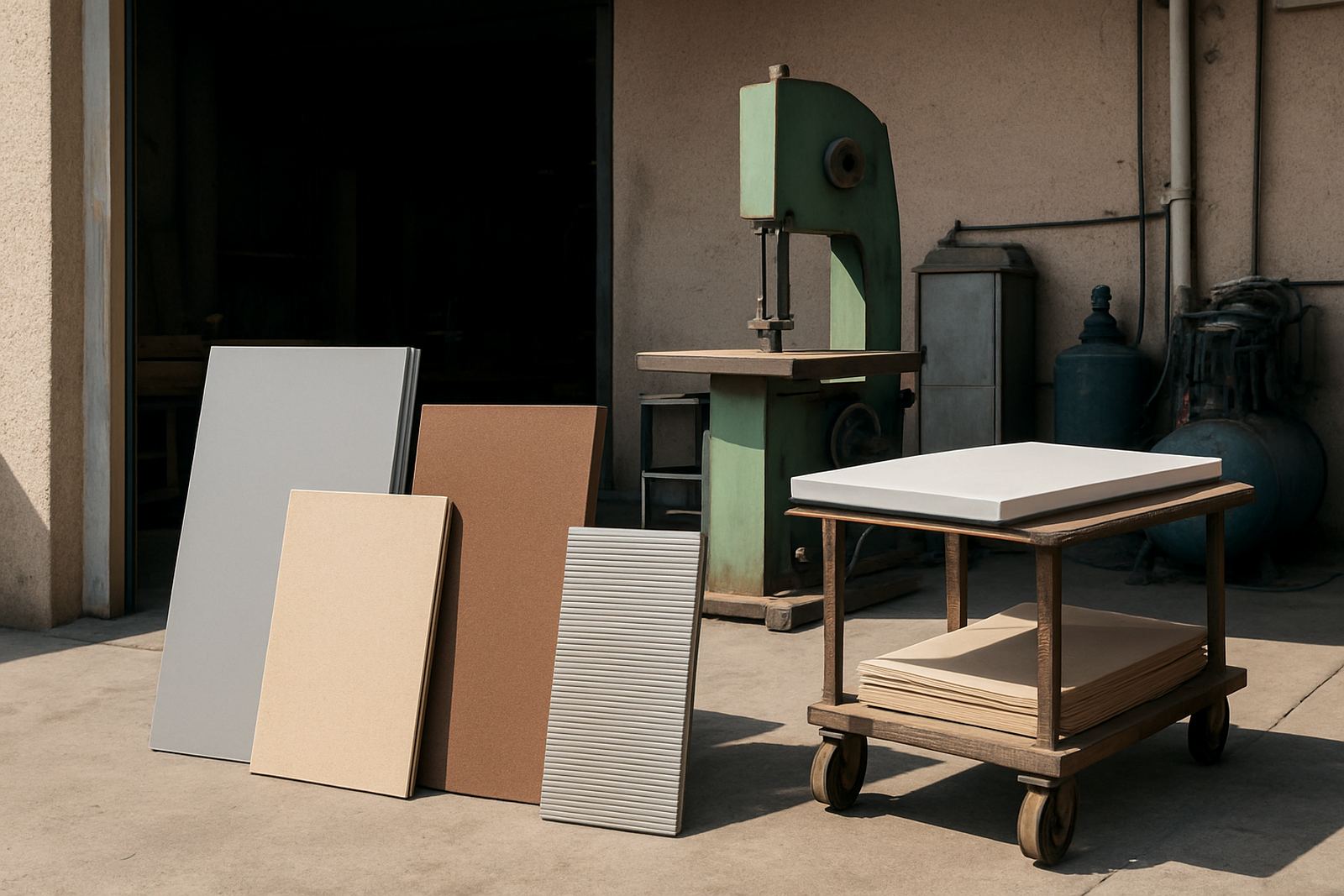
PVC foam board and similar composite sheets are widely used for shorter term promotional signs, internal to external transitions and smaller wall mounted panels. They are easy to cut, route and print on, which makes them useful for quick turnaround jobs and cut to size work. For some applications they are ideal, but they are not the answer for every outdoor site.
In hot sun, lower grade PVC can bow or move more than expected. On a windy corner in Parklands or an exposed fence line in Milnerton, that movement can become a problem. If the sign is sheltered, or if the board is fixed correctly with the right spacing and support, it can still perform well. The key is matching the board to the site instead of using it everywhere by default.
- Best for lighter duty signs and shorter spans
- Easy to route, print and fit cleanly
- Needs more care in direct sun and high wind
- Should be supported properly on larger sizes
Steel, sandblasting and where metal still wins
Steel and other metal substrates are still useful where a sign needs weight, strength or a more industrial feel. In outdoor work, steel is often chosen for frames, posts, brackets and certain engraved or sandblasted sign types. If the coating is done properly, steel can last well, but it does need more attention near the coast than aluminium does.
For sandblasted panels and engraved signs, the material thickness and finish matter because the letters and recesses must stay readable after rain and sun. We also look at how the sign will be serviced later. If a panel is going onto a warehouse wall in Montague Gardens or a yard entrance in Paarden Eiland, access for maintenance is part of the job from the start. A sign that cannot be reached when bulbs, faces or fixings need attention becomes expensive fast.
- Useful for frames, posts and heavy duty support structures
- Can be combined with aluminium or acrylic faces
- Needs proper coating against rust and corrosion
- Best when the installation point allows future access
A local example from Table View to Durbanville
A recent practical example is a business that wanted one sign for a busy road edge and another for its yard entrance. For the road facing sign, we used a lighter aluminium structure with a durable face so it could handle wind and stay neat through summer. For the yard sign, a more economical cut panel was enough because it sat in a protected position. Both signs carried the same branding, but the material choice was different because the exposure was different.
That is usually the right way to approach outdoor signage in the Cape Town area. Table View, Blouberg, Parklands and Durbanville do not all expose a sign in the same way, even though they are close enough to share many weather conditions. A good supplier will look at the site, the viewing distance, the fixing method and the maintenance plan before recommending a material. That is how you avoid replacing a sign too soon.
At Blouberg Signz & Engineering, we make and install signs, light boxes, vehicle branding and cut to size plastic parts from our Table View workshop, so the material choice can be matched to the actual use. For businesses that want something practical, weather aware and made for local conditions, that approach gives better value over time.