Why bay signs matter when the yard is busy
In a warehouse, every minute counts. If a driver has to stop and ask where Bay 7 is, the queue grows, the forklift gets held up and the wrong pallet can end up in the wrong place. Good bay signs remove that friction by making each loading point easy to spot from a vehicle, on foot, or from across the yard.
We often see sites in Paarden Eiland, Montague Gardens and Parklands where the bay numbering is technically there, but not readable enough at a distance. The fix is not complicated, it just needs the right size, contrast and placement for the space. In coastal areas like Table View and Blouberg, the finish also has to cope with salt air, strong sun and wind driven dust. If it is not made properly it starts looking tired fast.
A proper bay sign system also helps with compliance. Clear identification supports safe traffic flow, easier visitor control and less confusion during deliveries, inspections and after hours access. For busy sites, that can make a real difference.
- Faster loading and offloading
- Fewer wrong bay drop-offs
- Better control for visitors and contractors
- Easier shift handovers and incident reporting
Choosing numbering that works from the truck cab
Bay numbering should be simple enough for a driver to read without leaving the cab. That usually means large characters, strong contrast and a layout that does not compete with doors, shutters or warning signs. A common mistake is using pretty lettering that looks fine at close range but disappears from 10 or 15 metres away.
We usually start with the traffic pattern. If trucks approach from one side, the numbers need to be visible from that angle first. If pedestrians cross the yard, then the sign should also make sense when viewed at eye level. On sites with multiple entrances, the same numbering logic should be repeated across the whole property so nobody has to guess.
For warehouses in Durbanville or Cape Town industrial areas, we often recommend using a mix of bay numbers and short descriptors, such as dispatch, receiving or returns. It keeps the process moving when different teams use the same yard. A little structure now saves a lot of confusion later, especially during peak periods.
- Use bold, high contrast numerals
- Keep the numbering sequence logical and consistent
- Add zone names if the site has several loading areas
- Test visibility from vehicle approach points before final fitting
Colour coding that helps the right people move faster
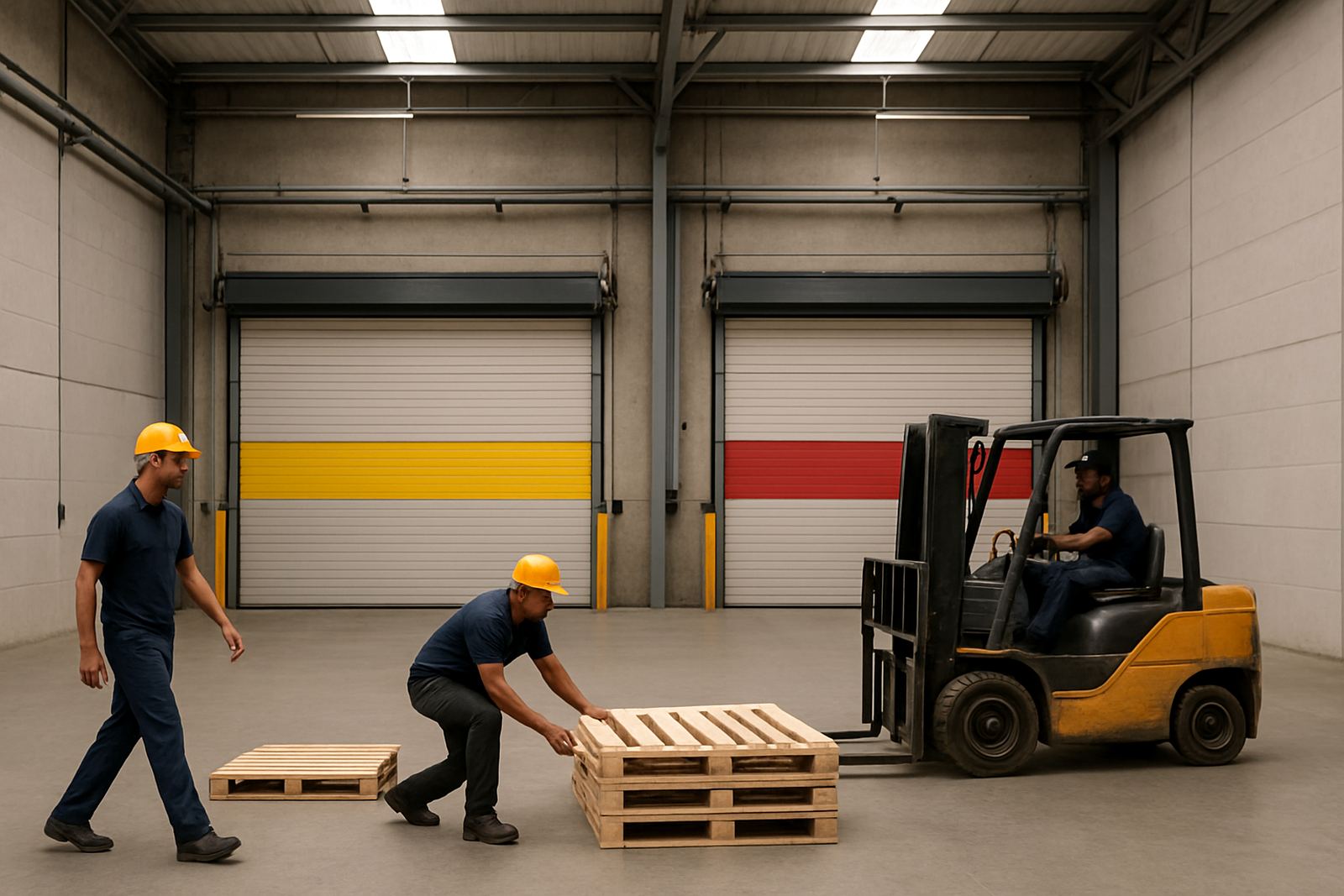
Colour is one of the quickest ways to improve bay recognition. A receiving zone might use one colour, dispatch another and returns another again. That way, even if a driver cannot read every word immediately, the colour block still points them in the right direction.
The key is to keep the system easy to understand. Too many colours creates more confusion, not less. We normally suggest a short colour code that matches the site flow and stays consistent on the signs, the painted floor markings and any directional arrows. If the yard is used by a mix of staff and subcontractors, simple is better.
For example, a Blouberg distribution yard handling retail stock may use blue for dispatch, yellow for receiving and red for restricted access. That makes the loading routine clearer at a glance. It also helps during load-shedding when lighting is reduced and people rely more on clear visual cues. In low light, a strong colour block with reflectives can be the diffrence between smooth movement and a missed bay.
- Match colours to workflow, not just company preference
- Use the same colour across signs, floor markings and arrows
- Choose finishes that stay visible in daylight and poor light
- Avoid busy backgrounds behind the bay number
Materials that hold up in coastal and industrial conditions
Warehouse bay signs need to survive more than just rain. They deal with UV exposure, forklift movement, dust, salt air and the occasional knock from a pallet jack or reversing truck. That is why material choice matters. We make signs using suitable plastics, routed panels and engraved elements depending on the site and the mounting surface.
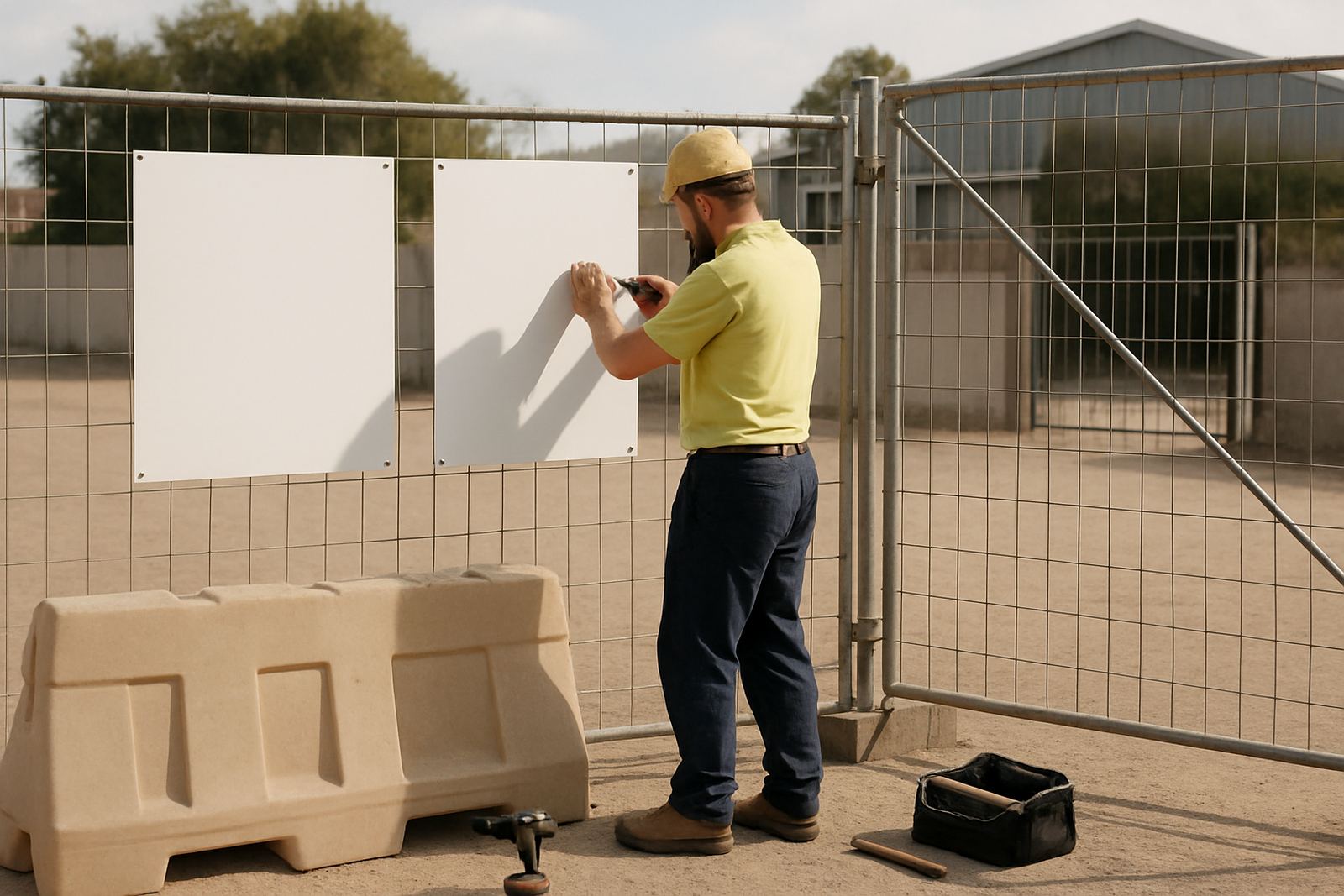
For outdoor bays in Table View or Milnerton, we usually look at weather resistant sign faces, strong fixing points and finishes that do not fade quickly. In enclosed warehouses, the surface may need to resist cleaning chemicals, scuffs and repeated touching. If the site has steel cladding, concrete walls or roller shutters, each one needs a different fixing method. One size does not suit every bay.
We also factor in maintenance. A sign that can be cleaned easily and replaced in sections is often better than a fancy piece that needs full removal for every small change. Sites grow, bays change and tenants move. Your signage should be easy to update without shutting down the whole operation.
- Use UV stable materials for outdoor exposure
- Choose mounting suited to wall, shutter or post fixing
- Keep maintenance and future relabelling in mind
- Specify finishes that can handle dust and frequent cleaning
Where installation and layout usually go wrong
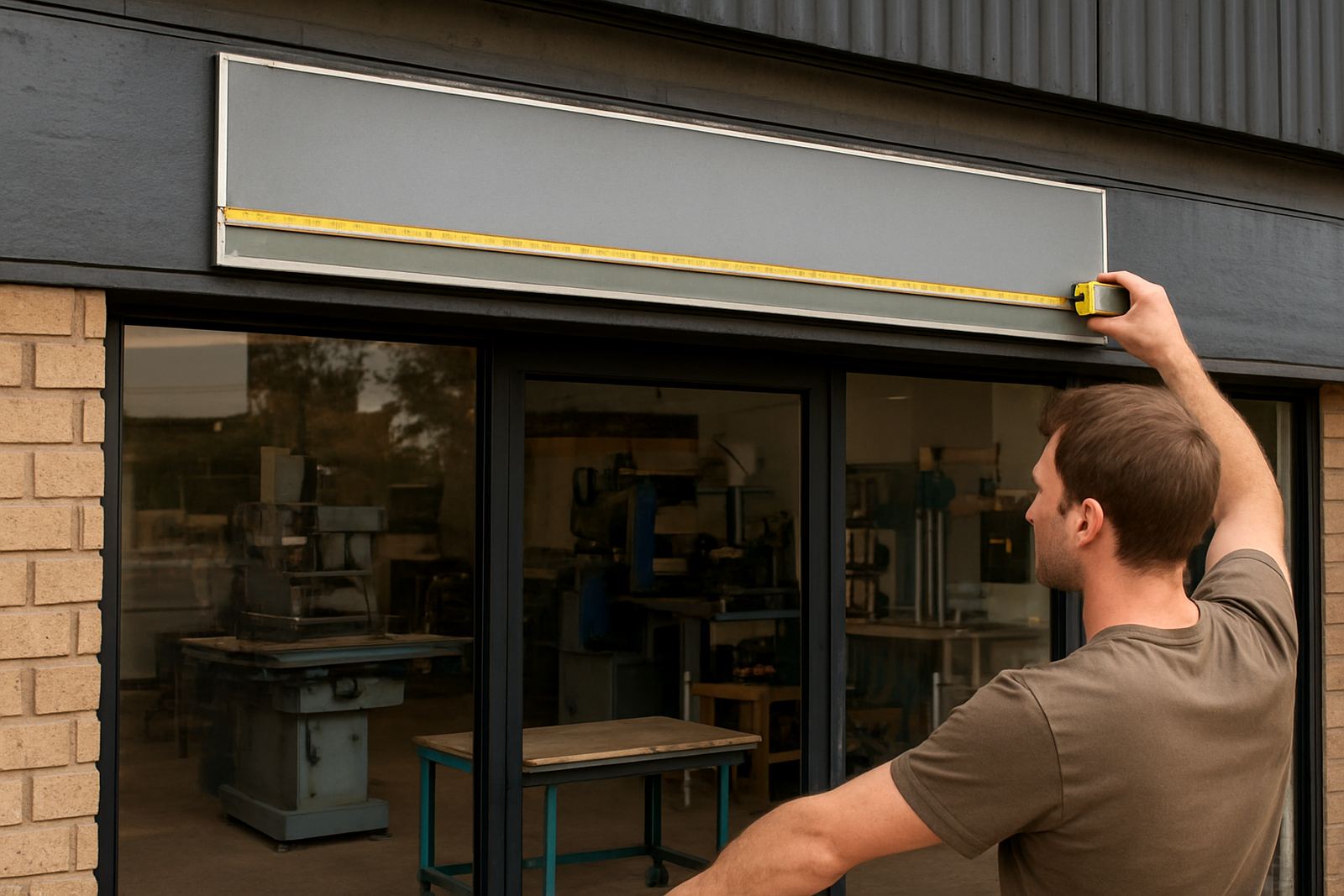
Even a well made sign can fail if it is installed in the wrong place. Too high and the driver misses it. Too low and it gets hidden by parked vehicles or stock. Too far to the side and it becomes useless when the bay is busy. We plan the position around the way the site actually works, not just where the wall happens to be open.
Another common problem is inconsistent size. One bay has a large sign, the next has a small plate and the third has a faded sticker. That sort of mixed system slows people down because they have to keep rechecking. A uniform layout makes the yard feel more organised and it supports better control during peak hours. It also looks more professional to visiting customers and auditors.
On sites with multiple tenants or shared access, the bay signs need to work with access rules and safety markings. A good setup can separate pedestrian movement from vehicle flow, identify no-go areas and show which loading points belong to which operator. It is small detail work, but it has a big effect.
A practical approach for Table View and nearby industrial sites
For a local warehouse in Table View serving stores across Blouberg and Parklands, we would usually start with a site walk, then map the bays from the driver approach. After that, the numbering, colours and sign sizes are planned together so the full system makes sense. If there is existing branding, we can match the look without losing legibility.
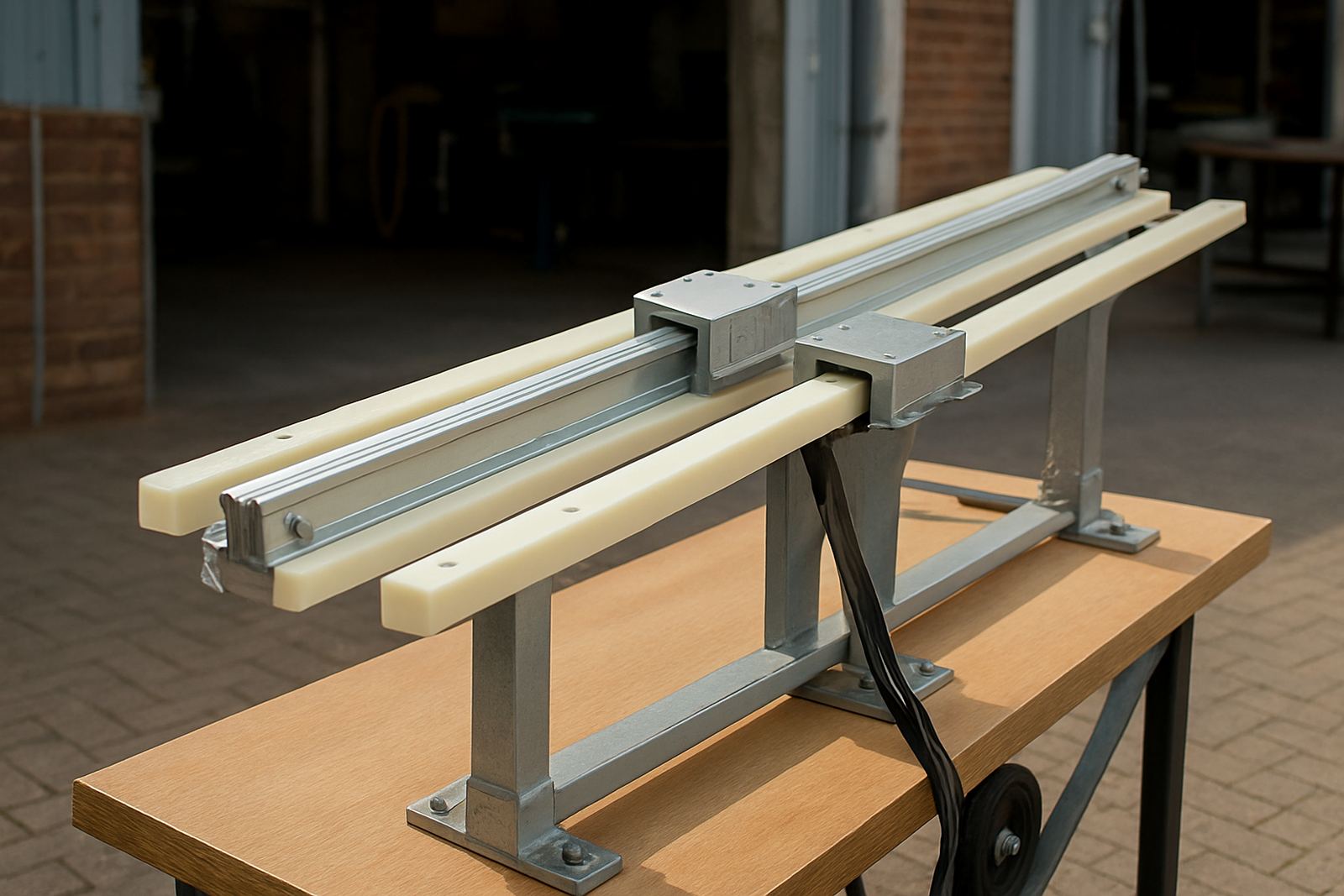
Our workshop handles sign manufacture, CNC routing, plastic machining, engraving and cut to size parts, so the bay signs can be built to suit the space rather than forcing a standard size on every opening. If a loading area needs a small locator plate, a large wall sign or an internal marker above a shutter, it can all be made to suit. We also handle installation and maintenance, which keeps the process straightforward for busy operations managers.
Johan Petrus van der Merwe and the team work with clients across Table View, Milnerton, Blouberg, Durbanville, Montague Gardens and Cape Town. The aim is simple: make the bay easy to read, easy to maintain and hard to miss. When the system is right, staff spend less time checking and more time moving freight.
- Site visit and bay mapping
- Numbering and colour plan
- Manufacture to the required size
- Professional installation and follow-up support