Why measured cutting saves more than material
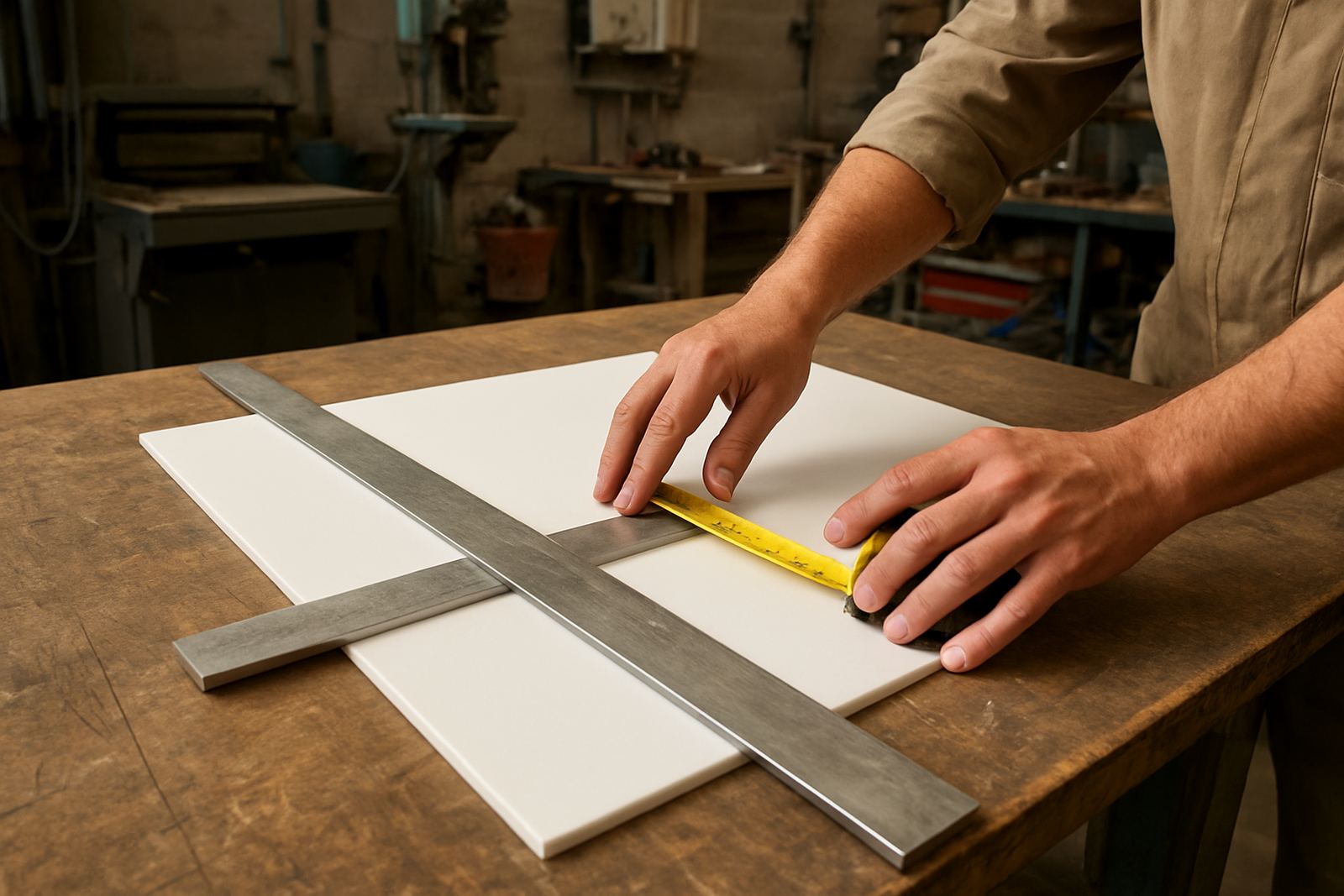
Plastic looks simple until a panel arrives on site 5 mm too wide, or a cutout lands where a fixing point needs to go. Measured cutting avoids those headaches by matching the part to the actual job, not just the drawing in front of you. That matters whether the material is acrylic, PVC foam board, polycarbonate, high density polyethylene or another sheet product used in signage and workshop work.
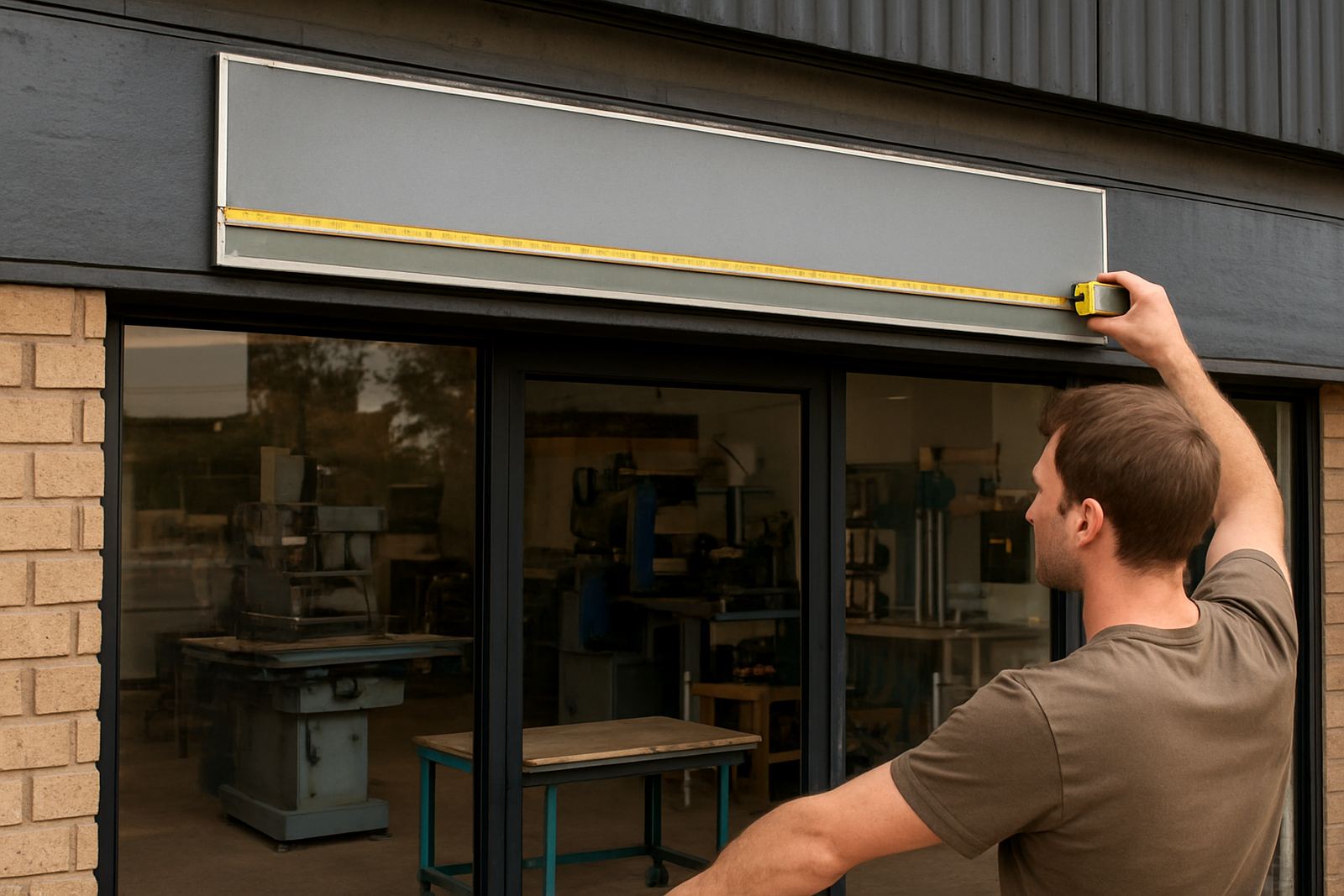
In Table View, Parklands and Milnerton, jobs often move fast. A shopfront sign may need to fit around existing brackets, cladding joints or uneven walls. An engineering part may need to line up with a machine frame, guard or cabinet opening. When the cutting is accurate, the installer does less trimming on site and the final result sits properly, with cleaner edges and fewer gaps.
There is also a cost side to it. Sheet material is expensive, especially when you are working with thicker grades or outdoor-rated plastics. If the cut list is planned carefully, you use the full sheet better and reduce offcuts that do not serve any purpose. That is good for budget control and good for jobs where replacement material may take time to source.
How good cutting starts before the machine runs
The best results start with checking the real measurements, not only the rough size on a sketch. For plastic cutting, we confirm thickness, finish, fixing method and whether the part must sit flush, overlap or slot into another component. If a panel is going outdoors in Cape Town coastal air, we also look at movement, exposure and whether the material needs extra clearance for expansion.
Small errors build up quickly. A line drawn 2 mm off on one side can become a 10 mm problem once holes, folds and brackets are added. That is why proper preparation matters just as much as the cutting itself. It also helps to label parts clearly, especially when there are several panels in one order.
- Check the opening, frame or template on site if possible
- Confirm the material type and thickness before cutting
- Allow for fixing holes, slots and any edge finishing
- Mark the finished face so the visible side stays clean
- Keep the cut list in sequence to reduce mix-ups
For repeat orders, keeping accurate records pays off. If a business needs the same plastic inserts or sign parts again, the previous dimensions can be used as a reference. That saves time and keeps the fit consistent from one batch to the next.
What accurate cutting means for sign work
In signage, cut-to-size plastics do far more than fill a frame. They form backing boards, face panels, dividers, lettering components, internal fittings and protective covers. If the size is correct, the sign installer can position the panel once and fasten it without forcing the sheet or leaving visible bowing. If the size is wrong, the whole installation can look untidy even if the print or finish is good.
Light boxes are a good example. The face panel must fit the box properly so the light spreads evenly and the edges stay secure. If it is too tight, it can stress the frame. If it is too loose, dust and moisture can get in. Around Cape Town, that is not a small matter. Wind, salt in the air and sudden weather changes can all affect outdoor fixtures.
- Shopfront panels need clean dimensions for straight alignment
- Internal sign inserts often need exact holes for stand-offs or brackets
- Safety signs may need standard sizes to match site requirements
- Light box faces need proper tolerances so they sit snugly
- Printed panels should keep enough edge margin so the image is not trimmed off
Why site fitting goes wrong when cutting is rushed
Most fitting problems do not start on site. They start when measurements are guessed, the material shifts during marking, or the sheet is cut without checking how it will be fixed. A panel that seems close enough in the workshop can become a real problem once it has to clear a wall bracket, pipe, cable trunking or uneven plaster.
Across Durbanville, Montague Gardens and Paarden Eiland, we often see jobs where the site conditions are not standard. Old walls are not square, cladding moves, and service points are never exactly where the plan says they are. Accurate cutting allows room for these realities. It also reduces the chance of having to force a panel into place, which can crack corners or leave stress marks.
There is a simple rule we use: measure twice cut once, then check the finished piece against the actual opening before dispatch. That extra step takes a few minutes but can save hours of return travel and labour. For a busy business, that time matters just as much as the material itself.
Engineering plastics need the same care as signage
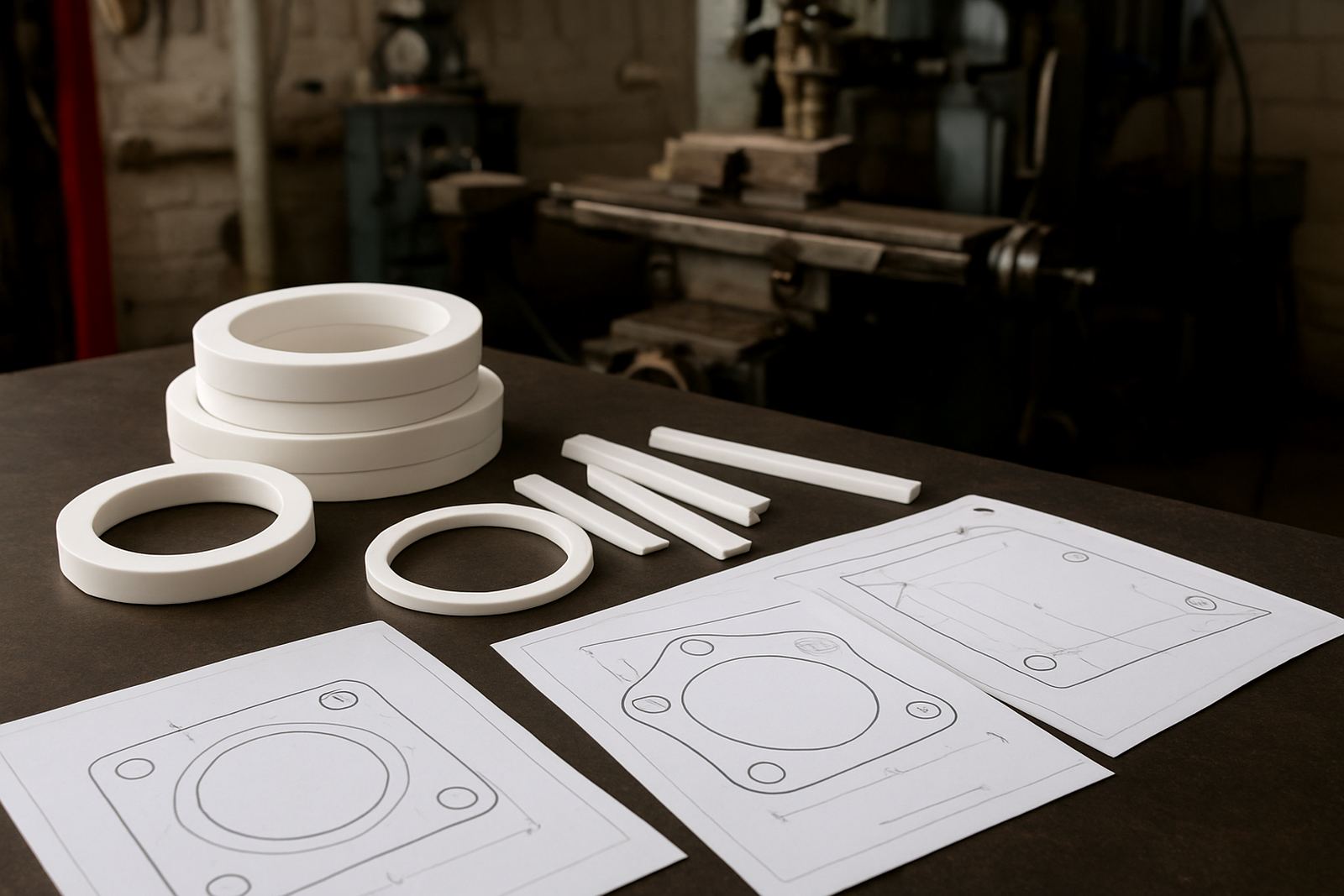
Plastic machining is often seen as a separate job from signage, but the discipline is the same. A bracket cover, spacer, guide, gasket substitute or cut-to-size insert must still fit properly. In engineering work, a small sizing mistake can stop a machine from being assembled or make a component wear out too early.
Different plastics behave in different ways. Some chip if the tool is wrong. Some can melt or mark if the feed is too fast. Some need smooth edges for safety, while others need square cuts for stacking or fixing. That is why accurate cutting is not just about following a line, it is about matching the material to the purpose of the part.
At Blouberg Signz & Engineering in Table View, our workshop handles both signage and engineering plastics, so the cutting process is planned around the end use. That matters for businesses that need one supplier who can manage a sign face, an engraved panel and a machine part without sending the job across town to different places.
- Choose the right blade or cutter for the sheet type
- Support the material properly to avoid vibration and chatter
- Leave the correct allowance for holes, slots and countersinks
- Deburr or finish edges where the part will be handled often
- Separate display pieces from load-bearing parts during planning
A local example from Table View to Cape Town sites
A recent job for a small commercial property in the Blouberg area needed replacement plastic panels for a reception sign and a set of internal wayfinding markers. The old parts had been cut oversize and trimmed on site, which left uneven edges and gaps around the frame. The client wanted a cleaner finish and less waste on the next batch.
We measured the openings, confirmed the fixing points and cut the new parts to the actual sizes needed. The result was simple but important: the panels fitted without forcing, the lettering sat straight, and the installer did not need to trim anything on site. The client also kept a few spare cut pieces for future maintenance, which helps when a panel gets damaged or a new room label is added later.
That is the practical value of accurate cutting. It keeps the job moving, saves material and makes future maintenance easier. For businesses across Table View, Milnerton, Blouberg, Parklands, Durbanville and the wider Cape Town area, it is one of the simplest ways to avoid unnecessary costs.
If you need cut-to-size plastics, sign panels or machined plastic parts made to measure, it is worth starting with accurate information and proper workshop checks. A neat cut is good. A measured cut that fits first time is better.