When a tag outlasts a label on the shop floor
In a working environment, the real test is not how neat something looks on day one. It is whether the marking still reads clearly after a few months of dust, cleaning, knocks and hand contact. That is where engraved tags usually make more sense than printed labels.
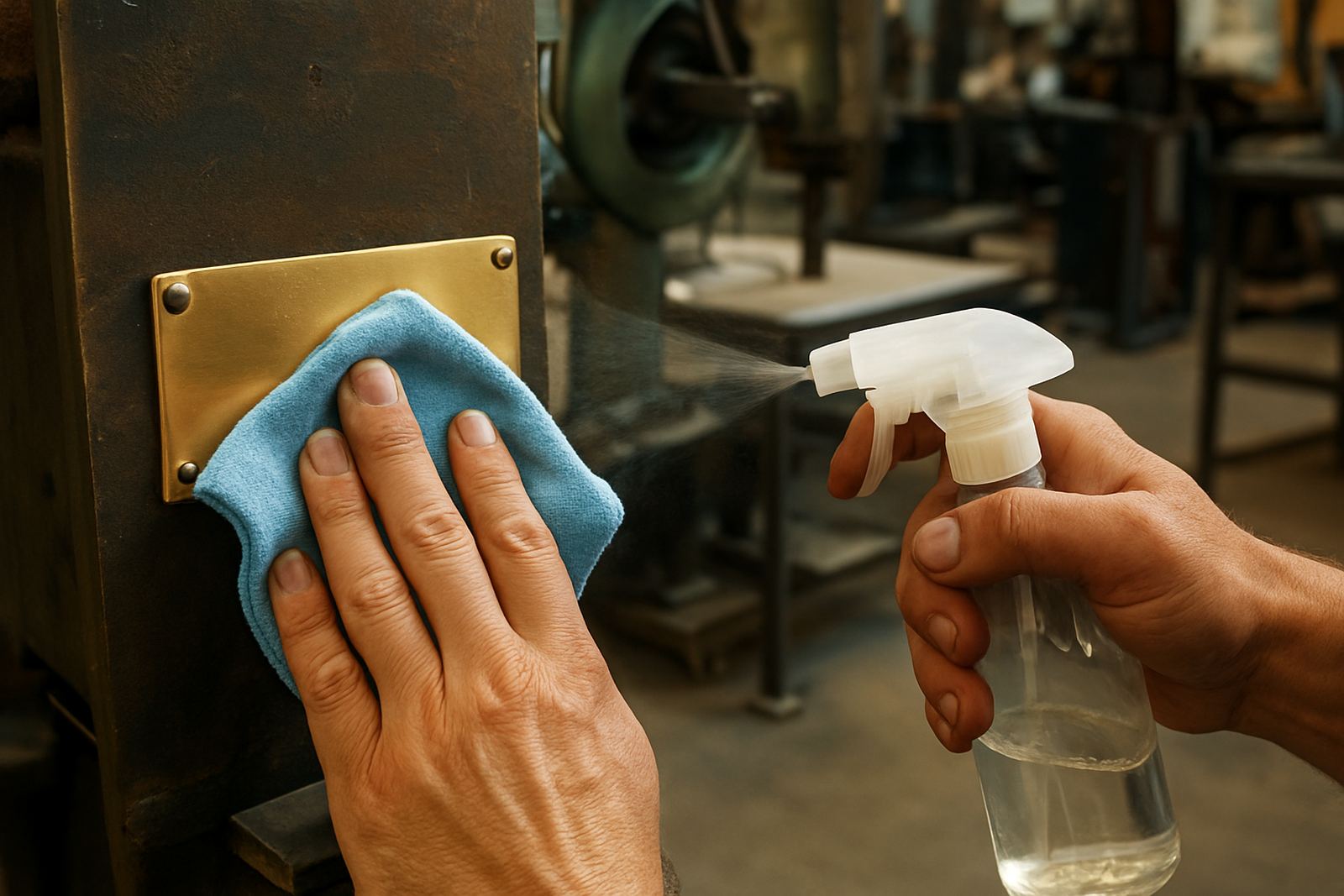
A printed label can be useful for file boxes, temporary stock and low traffic storage. But once you move into a workshop, loading bay or compressor room, labels start to lift at the corners, fade in sunlight, or get scraped when tools and trolleys pass close by. A solid engraved tag does not depend on adhesive only, and that makes a big difference on steel, plastic, aluminium or painted panels.
For businesses in Table View, Milnerton and the wider Cape Town area, this matters because many sites deal with coastal humidity, salt in the air and regular cleaning. A tag fixed with screws, rivets or industrial adhesive can stay in place longer and stay legible, even when the rest of the area takes a beating.
Where engraved tags beat printed labels every time
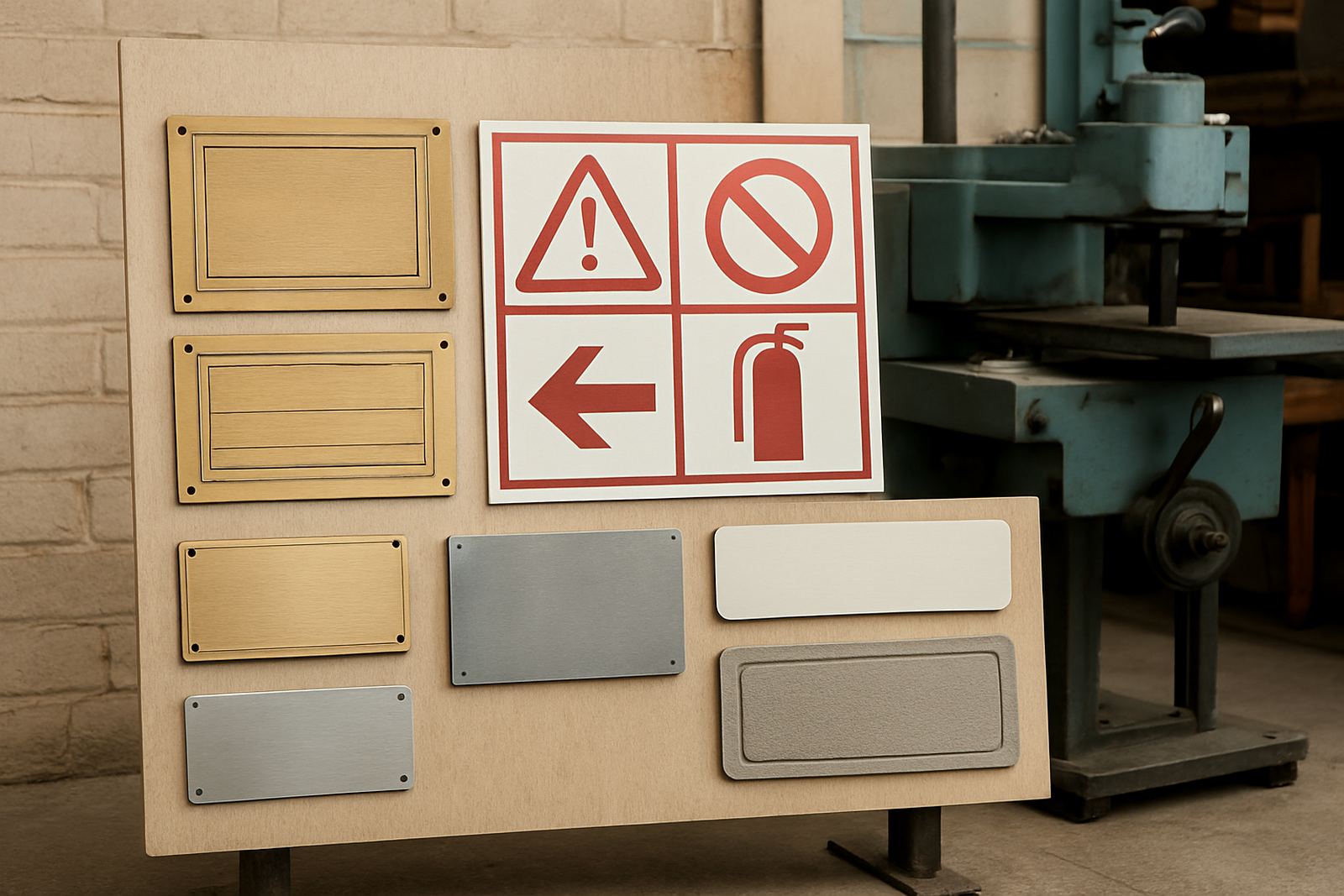
There are plenty of places where labels still have a role, but engraved tags are the better choice when identification must be clear and permanent. They suit machinery, electrical panels, valves, pipe markers, asset numbers, fire equipment, storeroom racks and access control points.
- High touch points where hands, gloves and tools rub against the surface.
- Outdoor areas exposed to sun, spray, dust and frequent washing.
- Sites where compliance checks need markings to stay readable.
- Equipment that may be repainted, moved or serviced several times.
- Areas with heat or moisture that can weaken adhesives over time.
In many cases, the strongest solution is a small engraved plate with fixed fasteners, rather than a sticker. It gives the site a more professional finish and it reduces the hassle of replacing marked items every few months.
How the right material changes the result
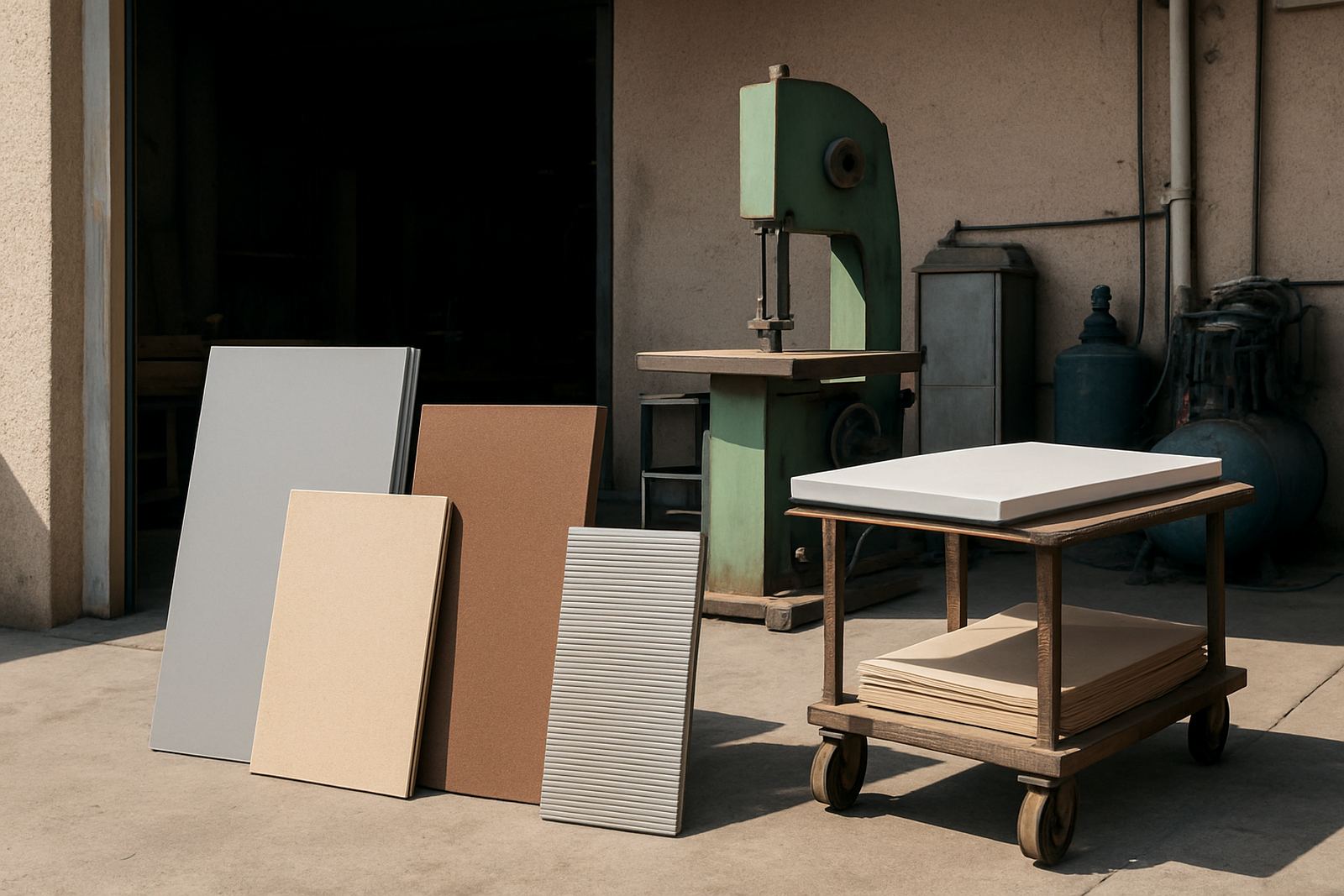
The choice is not only between a tag and a label. It is also about what the item is made from. An engraved plastic tag can be ideal for indoor use and general asset marking, while aluminium or other metal plates are better for harsher conditions. For very specific applications, clear acrylic or other engineering plastics may be cut to size and engraved for a cleaner face.
At our Table View workshop, the material is matched to the job. A panel inside a dry storeroom does not need the same finish as equipment in an outdoor yard in Blouberg or a workshop near the coast. Thickness matters too. Thin tags are fine for light duty work, but if the plate is going onto a door frame, machine cover or switch cabinet, it should be thick enough to remain flat and readable. No one wants a tag curling up after the first summer.
When the marking is meant to stay in place, the fixing method matters as much as the engraving. Screw holes, countersunk fittings and proper spacing can keep the plate straight and tidy. That small detail often decides whether the installation looks professional or rough.
Compliance, safety and the cost of being unclear
In a busy site, unclear marking leads to mistakes. A faded label on a valve, breaker or emergency point can slow down maintenance and confuse staff. Engraved safety signs and durable tags help reduce that risk by giving clear information that is easy to see from a working distance.
For businesses that manage contractors, tenants or visitors, permanent identification can also support compliance. Fire points, hazard notices, plant room markings and equipment numbers should be easy to read in low light and after repeated cleaning. If a label peels off or loses contrast, the cost of replacing it is usually higher than fitting the right tag first time.
This is especially useful in shared industrial spaces around Montague Gardens, Paarden Eiland and Durbanville, where more than one team may use the same area. Clear tags save time and cut down on avoidable mix ups. They also look more organised, which matters when clients or inspectors walk through.
- Use engraved tags for anything that must stay legible for years, not weeks.
- Use labels for temporary sorting, short term stock or internal admin.
- Use fixed plates where moisture, heat or cleaning chemicals are part of daily life.
A local example from a coastal workshop in Table View
A small fabrication and service company in Table View came to us after replacing printed labels on machine guards and service points more than once. The labels kept lifting at the edges and the ink had faded on several items. Their staff were spending time checking which unit was which, and that slowed down maintenance.
We supplied engraved tags for the machines, plant room access points and internal storage racks, using materials that could handle regular wiping and coastal air. The tags were cut to size, engraved for clear contrast and fixed properly so they would not shift during use. The result was a cleaner site, quicker checks and less ongoing replacement. Nothing fancy, just a practical fix that made day to day work easier.
That is the point for many businesses in Cape Town and the surrounding areas. The right marking solution is usually the one that stays readable and takes less attention from the team. If the tag does its job quietly in the background, everyone saves time.
How to choose between engraved tags and printed labels
If you are deciding what to use, start with the environment and the lifespan you need. A label can be right for a shelf, a file, a temporary bin or a short term notice. An engraved tag is usually better where the item will be touched, washed, moved or exposed to weather.
It also helps to think about contrast. If someone needs to read the marking quickly, the engraving depth, colour combination and font size should be chosen for practical visibility rather than decoration. A tidy tag that nobody can read is no good to anyone.
- Choose engraved tags for durability, readability and fixed identification.
- Choose labels where the information changes often or the use is short term.
- Choose custom cut plates when the item needs a specific shape or mounting method.
For businesses across Table View, Blouberg, Parklands, Milnerton and Cape Town, the best answer is often a mix of both. Use labels where they make sense, but do not rely on them where the environment is too harsh. That simple decision can save money, reduce rework and keep your site easier to manage.
Why working with a sign and engineering workshop helps
Engraved tags are more effective when they are made with the right machinery and the right fixings from the start. A workshop that handles signage manufacture, engraving, CNC routing and plastic machining can match the plate to the site instead of forcing a one size fits all option.
At Blouberg Signz & Engineering in Table View, the same team that handles signs and installation also works on engineering plastics, cut to size parts and durable markings. That means the tag can be made for the actual use case, whether it is a safety sign for a plant room, a machine identification plate or a set of labels for a storage system. For businesses that need something practical and long lasting, that approach makes a lot of sense.
If you need clear identification that stays readable in working conditions, engraved tags are often the smarter choice. Not every job needs a label, and not every label survives the job.